

A non-disclosure agreement (NDA) is a legal contract in which one or both parties involved agree not to share specified confidential information with anyone outside the agreement. Think of it as a locked drawer both sides agree not to open for anyone else: the drawer’s contents vary, but the promise not to open it is the same whether it covers a product roadmap, a client list, financial data, or a salary figure. Non-disclosure agreements, or NDAs, come in several forms built for different situations, and the rest of this article explains what an NDA is, how each type works, who can sign one, and how the signing process works today.
TL;DR
- An NDA is a legal document that creates confidentiality obligations for one or more parties and identifies the information covered.
- NDAs are usually unilateral, where only one party discloses information; mutual, where two parties share confidential information; or multilateral, where three or more parties participate.
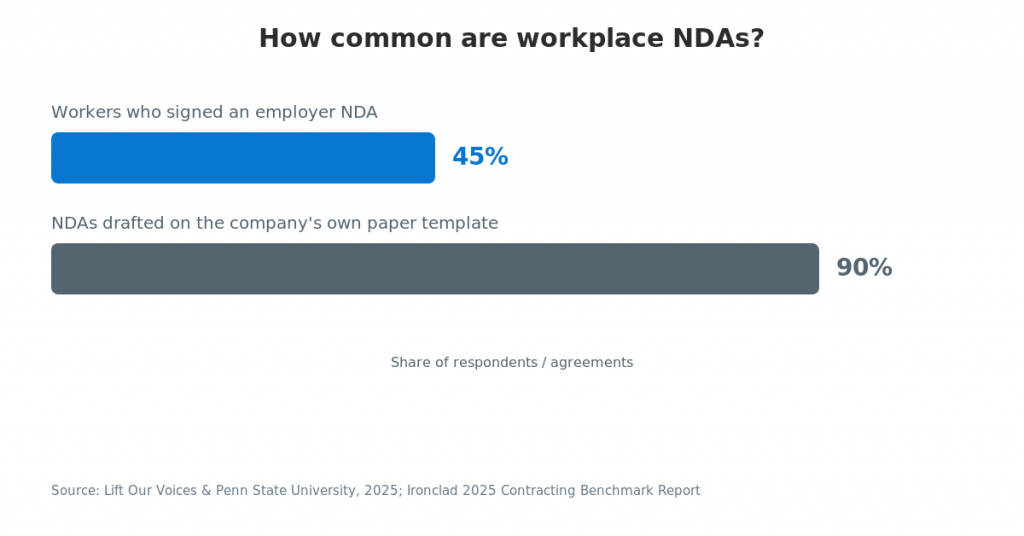
- Recent research from Lift Our Voices and Penn State University found that 45% of surveyed U.S. workers had signed an employer NDA as of 2025.
- Signing an NDA generally requires legal capacity: a competent adult or a company representative with authority to bind the business.
- Under the federal ESIGN Act and applicable state electronic-transaction laws, an NDA generally cannot be denied legal effect solely because it was signed electronically.
- A standard NDA typically covers eight elements: parties, definitions, obligations, scope, duration, return of information, exclusions, and remedies.
- The 2022 Speak Out Act limits the enforceability of certain predispute NDA clauses involving sexual harassment and sexual assault while preserving lawful protections for trade secrets.
What does NDA mean, exactly?
NDA stands for nondisclosure agreement or non-disclosure agreement: a legally binding contract that defines what information must remain confidential, who is bound by that legal obligation, and for how long. It goes by other names too, including confidentiality agreements, confidential disclosure agreements, and proprietary information agreements, but the basic legal framework is similar across these documents.
What makes an NDA a legal contract?
Because an NDA is a contract, ordinary contract-law principles generally apply. That means the agreement typically requires mutual assent, consideration where required, and legally competent parties capable of entering a legal contract. Employers, startups, investors, vendors, and business partners are among the parties most likely to request one, usually before they disclose information that they do not want shared publicly or with competitors.
What information can an NDA protect?
The term itself does not specify what is protected. An NDA can cover a product roadmap, customer list, salary data, unreleased financial information, source code, intellectual property, or business plans that are still in draft form. It may also protect proprietary or confidential information, internal business practices, customer records, research, and other sensitive business information.
What affects NDA enforceability?
What makes an NDA potentially enforceable is not simply the label “NDA.” Important factors include whether the agreement contains a clear definition of confidential information, whether the parties agree to its terms, whether the signer has legal capacity and authority, and whether a court considers its scope and duration reasonable under the applicable law and business relationship.
Why should confidential information be clearly defined?
Vague language can weaken the agreement, particularly when it fails to explain what constitutes confidential information. A definition that treats every piece of information as confidential, regardless of its source or context, may be harder to apply than one that clearly identifies the protected categories and relevant exclusions.
How can you sign an NDA electronically?
airSlate SignNow provides an NDA eSignature workflow for sending and signing agreements online. What follows goes further by explaining the legal mechanics behind an NDA, the differences between its types, and who may have the authority to sign one.
Disclaimer: This article provides general information and is not legal advice. Organizations should consult qualified legal counsel about specific agreements, jurisdictions, and circumstances. Using an NDA or an NDA template does not create an attorney-client relationship.
Why do businesses use NDAs?
Companies use non-disclosure agreements when sensitive information needs to leave the organization before a deal, hire, investment, or partnership is final. The agreement helps establish a confidential relationship and gives the parties a contractual basis for protecting sensitive data against unauthorized disclosure.
Let’s take a look at some common situations.
Onboarding a new employee
HR may introduce a new hire to trade secrets, client lists, internal processes, product plans, or other business-confidential information shortly after employment begins. The confidentiality provisions may appear in a standalone unilateral NDA or as part of broader employment agreements.
In this arrangement, the employer is usually the disclosing party, while the employee is the receiving party. The receiving party agrees to protect confidential information and avoid further disclosure except as permitted by the agreement or required by law.
HR teams that already handle NDAs and similar documents may gain operational efficiencies by moving the signing process online. As Nicholas Tovar, SHRM-CP, put it: “SignNow has changed our workflows to be more streamlined and efficient. We saved more than 1500 pieces of paper converting to an electronic format.”
Bringing in a contractor or freelancer
Contractors may receive access to product specifications, source code, designs, credentials, customer records, or other confidential material. Because contractors operate outside the company’s regular workforce, businesses often ask them to sign an NDA before disclosing confidential information.
The agreement can help the company protect intellectual property, protect trade secrets, and specify how the contractor may use, store, return, or destroy the confidential data.
Investor or M&A due diligence
During due diligence, both businesses may open their records to each other. The material can include forecasts, liabilities, pricing, contracts, financial data, operational procedures, and other sensitive business information.
Because the parties engage in a mutual exchange, this situation commonly uses a mutual NDA or mutual non-disclosure agreement. Each company can act as both a disclosing party and a receiving party depending on which party supplies the information.
Vendor and client contracts
Either party may share pricing, roadmaps, internal workflows, customer information, or proprietary processes during a commercial business relationship. An NDA can establish a mutual understanding about permitted use, security controls, and disclosure to employees, professional advisers, or subcontractors.
Law firms and other organizations handling these business transactions may route documents in a defined signing order. airSlate SignNow’s legal-services workflows can be used to assign fields and signing roles to the relevant recipients instead of sending the agreement to everyone without a defined sequence. For more information on digital contract signing, see our blog: How to sign a digital contract.
Strategic partnerships and joint projects
During business partnerships, the participating organizations may share technical specifications, marketing plans, research, or commercial terms. A mutual agreement can provide legal protection when both sides contribute valuable proprietary information.
A project involving three or more parties may use a multilateral NDA instead of several separate contracts. This can help ensure that all parties involved understand the same confidentiality rules, although a more complex arrangement may require additional legal review.
Why it matters: NDAs aren’t a niche legal formality anymore. Recent research on NDA prevalence in the U.S. workforce found that 45% of surveyed workers had signed one, and separate contracting benchmark data shows that 90% of NDAs are drafted on the initiating company’s own paper template, yet still require legal review roughly 30% of the time. Volume like that is exactly why standardizing and speeding up the process, rather than redrafting and re-emailing each one, has become a priority for legal and HR teams alike.
What are the types of non-disclosure agreements?
Every NDA is generally structured as unilateral, mutual, or multilateral.
| Type | Who discloses | Typical use case | Example |
| Unilateral | One party only | Employment, contractor access | New hire agreeing not to share trade secrets |
| Mutual | Both parties | M&A, joint ventures, partnerships | Two companies exchanging financials before a merger |
| Multilateral | Three or more parties | Multi-vendor deals, consortiums | Several suppliers on a joint bid protecting shared data |
What is a unilateral NDA?
A unilateral NDA is a one-way confidentiality arrangement. Only one party normally discloses the protected material, and the receiving party accepts the main duty to keep such information confidential.
It is commonly used when hiring employees, engaging contractors, sharing an invention with a potential manufacturer, or allowing a vendor to access internal systems. The agreement should still explain which disclosures are permitted and whether the receiving party may share the information with advisers or employees on a need-to-know basis.
What is a mutual NDA?
A mutual non-disclosure agreement is a two-way arrangement in which both parties may disclose and receive protected material. Each party accepts comparable duties to protect sensitive information supplied by the other.
A mutual NDA is commonly used in mergers, acquisitions, joint ventures, product-development projects, and other situations where the parties share confidential information. It creates reciprocal duties rather than assuming that only one company owns valuable proprietary information.
What is a multilateral NDA?
A multilateral NDA covers three or more parties under one agreement. One or several parties may disclose information, and the document explains the obligations that apply to each recipient.
This structure may be useful in consortiums, multi-vendor projects, research partnerships, or complex business transactions. Because several participants may have different roles, the contract should clearly identify who may disclose information, who may receive it, and whether each party can share it with affiliates, advisers, or subcontractors.
Why does the NDA type matter?
Choosing the wrong type can create unnecessary obligations or leave some disclosures unprotected. A mutual NDA may be unnecessarily complicated when only one party will disclose anything of value. Conversely, a unilateral NDA may provide inadequate protection when two or more parties plan to exchange confidential material.
The simplest test is to examine the actual flow of information rather than the label given to the relationship. Determine which party will be disclosing confidential information, which party will receive it, and whether the exchange will be one-way or mutual.
Can anybody sign an NDA?
Almost anyone can sign an NDA, but the agreement only becomes enforceable if the signer is a competent adult or an authorized company representative who freely agrees to it.
Who has the legal capacity to sign an NDA?
On the individual side, the signer generally needs to be an adult of sound mind. An NDA signed by a minor is typically voidable, meaning the minor (or a guardian) can walk away from it later. On the company side, whoever signs needs actual or apparent authority to bind that business: a junior employee signing on a company’s behalf, without that authority, may not create a binding agreement at all.
It’s also worth correcting a common assumption: NDAs aren’t just for full-time employees. Contractors, freelancers, interns, and prospective investors are routinely asked to sign one before they see anything sensitive. And even a validly signed NDA can fail later in court if its scope is vague or unreasonably broad. Enforceability under SignNow’s electronic signature legality documentation and general contract law generally requires mutual assent, consideration, competent parties, and a clear, specific definition of what counts as confidential, following the NDA enforceability requirements that courts routinely apply.
Who can sign an NDA on behalf of a company?
Authority questions come up most often at the company level. A sales rep signing an NDA on a customer call may have the apparent authority to do so if that’s a normal part of their role, even without a formal delegation. A more unusual case, such as an intern signing off on behalf of the whole business, is less likely to hold up if challenged later, because the intern typically has neither the actual nor the apparent authority to bind the company. When the stakes are high, such as an M&A-stage mutual NDA, it’s common practice to confirm the signer’s title and authority before treating the agreement as final.
How does signing an NDA work?
Most NDAs today are signed electronically: drafted from a template, routed with a signature field, and completed in minutes instead of days. Here’s an example of what the workflow looks like when you use SignNow.
1. Use Form Library to get an NDA template
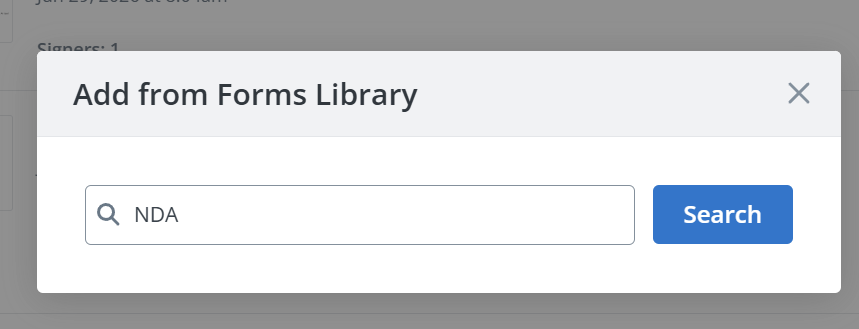
You can use a ready non-disclosure agreement template from the Forms library. To do so, click + Create > Document > Add from Forms Library. Once you find the template, click Save to Documents.
If your organization requires creating an NDA of your own, go to the Templates section and create a reusable SignNow template.
2. Prepare the document
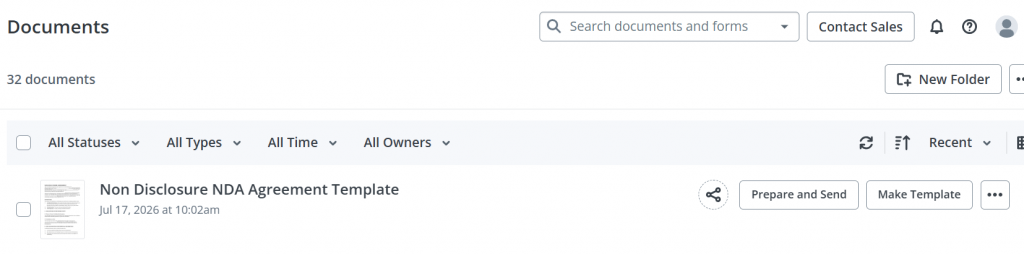
In the Documents, find your saved NDA template and click Prepare and Send.
3. Add recipients, assign roles and add fillable fields for them
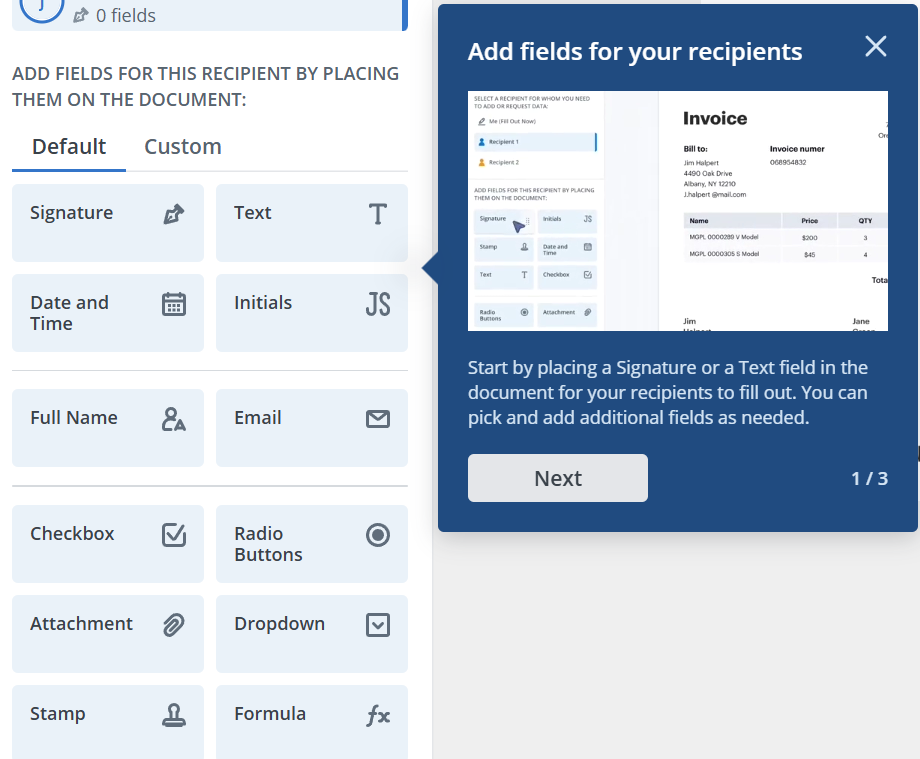
4. Sign the document
If the NDA requires your signature, place by assigning the signature field for yourself and filling it out immediately.
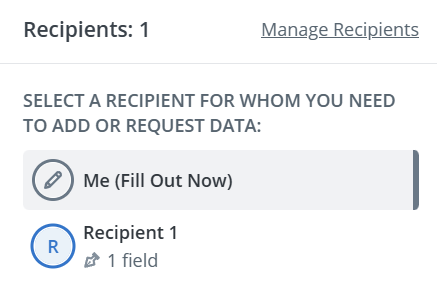
5. Set up the invite
Use Set Up and Send to route the NDA to one or both parties, and preview the email and signing experience before it goes out. You can set up reminders, expiration date, and recipient redirection.
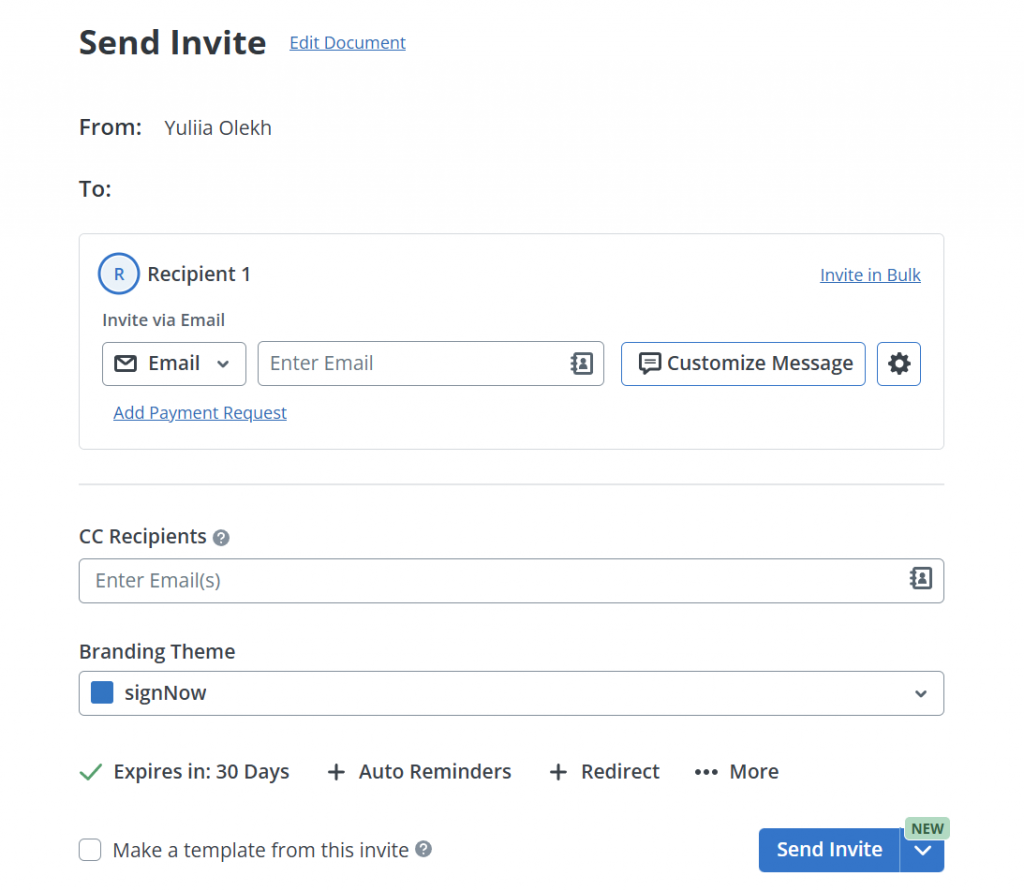
6. Send the invite
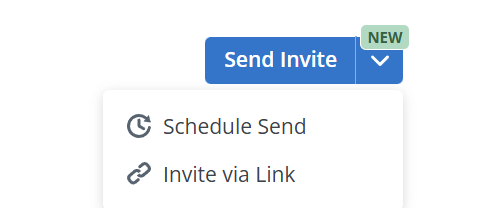
Dispatch the signature invitation instantly or coordinate a scheduled delivery for a future window. Alternatively, you can utilize the Send via link feature to produce a shareable URL for your NDA, allowing for distribution through any preferred communication channel.
If more than one person sends NDAs, move the template to the Team folder, or assign individual Can View, Can Send, or Can Edit permissions so nobody rebuilds the same document from scratch.
In practical terms, a reusable NDA template lets teams update the parties and transaction details without rebuilding the agreement for every request.
Shared documents, shared folders, and unlimited templates are included on SignNow’s Business plan, the entry tier at $8 per user per month billed annually; team-wide template collaboration is available starting on the Business Premium plan.
What a standard NDA usually includes
A well-drafted NDA commonly addresses eight recurring elements, whether it is mutual or unilateral.
1. Parties
Identify who is disclosing, who is receiving, and any other signatories. Use the parties’ correct legal names instead of relying only on general roles.
In a mutual agreement, each party may be both a disclosing party and a receiving party. A multilateral agreement should clearly describe the responsibilities of all parties involved.
2. Definitions
Explain what constitutes confidential information. The definition may cover trade secrets, source code, customer records, financial information, product plans, research, processes, and other proprietary or confidential information.
Avoid vague language such as “all information of every kind” without appropriate context or limitations. Defining confidential information clearly can make the parties’ duties easier to understand and apply.
3. Obligations
State what each party must and must not do with the information. The obligations may require the receiving party to use reasonable safeguards, restrict access, use the information only for an identified purpose, and prevent unauthorized disclosure.
The contract should also explain whether the receiving party may share the information with employees, affiliates, accountants, attorneys, or other advisers. Those disclosures are commonly limited to people who need the information and are legally obligated or contractually required to keep it confidential.
4. Scope and permitted purpose
Describe why the information is being shared and how the receiving party may use it. Connecting confidentiality duties to a defined project, evaluation, investment, or business transaction can be clearer than imposing an unrestricted duty covering every interaction between the parties.
5. Duration
State how long the confidentiality obligations last. Some agreements use a fixed period, while duties involving qualifying trade secrets may continue for as long as the information remains protected as a trade secret under applicable law.
Avoid stating that all NDA obligations automatically last indefinitely. Duration and enforceability depend on the information, wording, jurisdiction, and circumstances.
6. Return or destruction of information
Explain whether the receiving party must return or destroy documents, files, copies, extracts, and other confidential material when the relationship or evaluation ends.
The provision may need exceptions for automated backups, regulatory recordkeeping, litigation holds, or information that must be retained by law.
7. Exclusions
Common exclusions cover information that:
- Is already public knowledge through no breach of the agreement;
- Was lawfully known to the receiving party before disclosure;
- Is received lawfully from another source without a confidentiality restriction;
- Is independently developed without using the protected material; or
- Must be disclosed through a lawful subpoena, court order, regulation, or other legal process.
A compelled-disclosure clause may require advance notice where legally permitted. It should not suggest that a person must violate a subpoena, regulation, or other legal obligation to keep the information confidential.
8. Remedies
Explain what may happen if a party breaches the agreement. Potential remedies can include injunctive relief, monetary relief, contract termination, or other relief available under applicable law.
Avoid promising automatic legal and financial penalties. A court may need to determine liability, causation, available remedies, and financial damages through legal proceedings.
Are electronically signed NDAs legally binding?
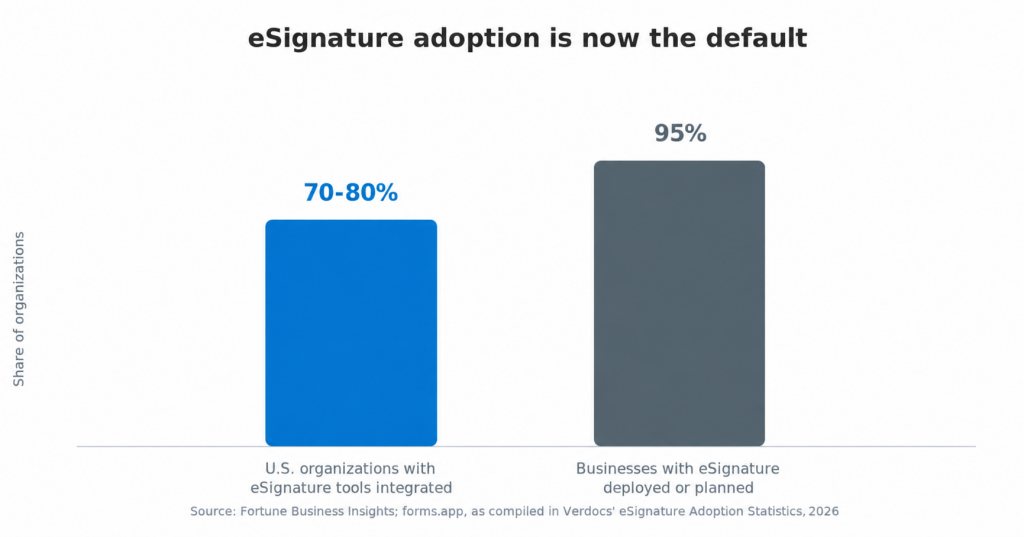
An NDA generally cannot be denied legal effect or enforceability solely because it is in electronic form or uses an electronic signature. The federal ESIGN Act establishes this principle for covered interstate and foreign-commerce transactions.
However, an electronic signature does not cure defects in the underlying agreement. An NDA may still be unenforceable because of fraud, lack of authority, lack of capacity, unlawful terms, insufficient assent, unconscionability, public-policy restrictions, or other legal issues.
Relevant evidence may include:
- The signer’s intent to sign;
- Consent to use electronic records where required;
- Attribution of the signature to the signer;
- The final document;
- Timestamps and transaction records;
- Authentication methods;
- Changes made during the transaction; and
- The ability to retain and reproduce the record.
An electronic-signature platform’s audit trail may help establish who participated in the transaction and when particular events occurred. It should not be described as automatically court-admissible or conclusive, because courts determine admissibility and evidentiary weight under applicable law.
Product security and compliance documentation may help an organization evaluate the platform. It does not independently establish that every resulting NDA will be legally enforceable.
Organizations operating across jurisdictions should obtain advice from qualified legal counsel, particularly for international agreements, highly regulated information, or transactions involving unusual signing requirements.
When might an NDA not be enforceable?
A court may decline to enforce an NDA, or may limit particular provisions, when the agreement conflicts with a statute, public policy, or ordinary contract-law requirements.
Potential issues include:
- A definition that is too vague to identify the information covered;
- A scope that is broader than reasonably necessary;
- An excessive or unclear duration;
- An attempt to conceal or prevent reports of unlawful conduct;
- Restrictions on legally protected employee activity;
- A signer who lacks capacity or authority;
- A lack of required consideration;
- Provisions that conflict with whistleblower protections;
- An attempt to restrict legally required public disclosure; or
- Terms that differ from mandatory local law.
Speak Out Act limitations
The Speak Out Act, enacted in 2022, limits the judicial enforceability of certain predispute nondisclosure and nondisparagement clauses relating to sexual assault or sexual harassment disputes. It should not be summarized as invalidating every NDA connected with those subjects or every agreement signed after a dispute arises.
The Act does not broadly eliminate lawful protections for trade secrets or other legitimately confidential business information.
State-law limitations
States may impose broader restrictions. Washington’s RCW 49.44.211, for example, makes certain provisions void and unenforceable when they prevent employees from disclosing or discussing specified workplace conduct that they reasonably believe is illegal or contrary to a clear mandate of public policy.
Because state requirements differ, employment NDAs should be reviewed under the law that applies to the employee and employer rather than copied across jurisdictions without modification.
Employee-rights limitations
Overly broad confidentiality or nondisparagement language may also interfere with rights protected by the National Labor Relations Act. The National Labor Relations Board has addressed agreements that broadly restrict employee communications or waive protected rights.
The precise rule may depend on the agreement, employees involved, current precedent, and surrounding circumstances.
Governing-law issues
An NDA often identifies the law that governs the contract and the forum for disputes. However, selecting one state’s law does not necessarily override every mandatory protection that applies in another jurisdiction.
A scope or duration accepted in one jurisdiction may be limited elsewhere, particularly in employment agreements. Multi-state and multinational agreements, therefore, require careful drafting rather than assuming one universal standard.
What are common NDA misconceptions?
Several common assumptions about NDAs are misleading, particularly around enforceability, electronic signatures, permitted disclosures, and the consequences of a breach.
An NDA is the same as a non-compete
It is not. An NDA restricts the disclosure or misuse of defined information. A non-compete restricts certain post-employment or post-contract competitive activities.
The two provisions may appear in the same contract, but they protect different interests and are subject to different legal rules.
Any NDA will hold up in court
It will not. Non-disclosure agreements do not provide automatic legal protection simply because the parties signed them.
An agreement can be challenged because it uses vague language, defines confidential information too broadly, lacks consideration, conflicts with statutory rights, or imposes unreasonable restrictions. The outcome depends on the agreement, facts, governing law, and available evidence.
An eSigned NDA is less official
Federal law generally provides that a contract cannot be denied legal effect solely because an electronic signature or electronic record was used.
That does not mean every electronically signed contract is enforceable. The underlying requirements for a valid agreement still apply.
Signing an NDA prevents every disclosure
An NDA applies to the information and disclosures covered by its terms and applicable law. It does not necessarily prevent a party from reporting illegal conduct, complying with a lawful subpoena, communicating with regulators, exercising protected workplace rights, or disclosing information that has lawfully become public knowledge.
The agreement should distinguish an unlawful or unauthorized disclosure from a disclosure that is permitted or legally required.
Every breach automatically produces financial penalties
A breach may expose a party to legal action, but financial penalties or damages are not automatic. The claimant may need to prove the breach, causation, loss, and entitlement to the requested remedy.
Contractual damages provisions may also be reviewed for enforceability under applicable law.
Final thoughts
A well-drafted NDA can help protect confidential information, trade secrets, intellectual property, and sensitive business data. Its effectiveness depends on clear definitions, reasonable terms, authorized signers, and compliance with applicable law.
Try SignNow today to prepare, send, sign, and manage your first NDA through a streamlined electronic workflow.
Glossary
Confidentiality agreement: Another name commonly used for an NDA.
Confidential disclosure agreement: An agreement governing the disclosure and permitted use of confidential material.
Consideration: Something of legal value exchanged as part of a contract where consideration is required.
Disclosing party: The party that provides confidential information under the agreement.
ESIGN Act: The federal law providing that covered signatures, contracts, and records generally cannot be denied legal effect solely because they are electronic.
Mutual NDA: An agreement in which both parties may disclose protected information and accept reciprocal confidentiality obligations.
Non-disparagement clause: A provision restricting certain negative statements about another party. It is distinct from a confidentiality clause, although the provisions may appear together.
Receiving party: The party that receives protected information and is required to handle it according to the agreement.
Trade secret: Information that may receive legal protection when it derives economic value from not being generally known and is subject to reasonable secrecy measures.
Unilateral NDA: An agreement in which one party primarily discloses protected information and the other party accepts the principal confidentiality obligations.
FAQ
Does signing an NDA transfer intellectual property ownership?
No. An NDA generally controls how confidential information may be used or disclosed, but it does not automatically transfer ownership of inventions, designs, software, or other intellectual property. Any ownership or licensing rights should be addressed in a separate provision or agreement.
Can an NDA cover information disclosed verbally?
Yes, an NDA can cover verbal disclosures when its definition of confidential information includes them. The agreement may require the disclosing party to identify the information as confidential when it is shared or confirm the disclosure in writing afterward. Clear procedures help reduce disputes over whether a conversation was protected.
Does confidential information need to be marked “confidential”?
Not always, unless the agreement makes marking a condition of protection. Some NDAs protect information based on its nature or the circumstances of disclosure, while others require written materials to carry a confidentiality label. The marking rules should be stated clearly so both parties know which information is covered.
Can the parties change an NDA after signing it?
Yes, the parties can usually amend an NDA if they follow the amendment procedure stated in the agreement. Changes should be documented in writing and approved by authorized representatives of each affected party. Informal conversations may not be sufficient to alter existing confidentiality obligations.
Can one NDA cover several projects or transactions?
It can, provided the agreement defines the covered purpose and information broadly enough to include each project. A very broad agreement may create uncertainty, so separate NDAs can be clearer when transactions involve different parties, data, or confidentiality periods. The appropriate structure depends on how closely the projects are related.
Does an NDA replace other information-security controls?
No. An NDA creates contractual obligations, but it does not prevent unauthorized access or disclosure by itself. Organizations should also use appropriate access controls, employee training, secure storage, and other measures for protecting sensitive data.
Sources
- HR Dive, “Nearly half of employees say they’re subject to an NDA,” Jan. 2025
- Ironclad, “Non-Disclosure Agreements (NDAs): Everything You Need to Know,” 2026
- Cornell Law Wex, “non-disclosure agreement (NDA)”)
- Congress.gov, Speak Out Act, S.4524, 117th Congress
- ConsumerShield, “Are NDAs Enforceable?”
- Verdocs, “40 eSignature Adoption Statistics,” 2026
- Washington State Legislature, RCW 49.44.211
- TL;DR
- What does NDA mean, exactly?
- Why do businesses use NDAs?
- What are the types of non-disclosure agreements?
- Can anybody sign an NDA?
- How does signing an NDA work?
- What a standard NDA usually includes
- Are electronically signed NDAs legally binding?
- When might an NDA not be enforceable?
- What are common NDA misconceptions?
- Final thoughts
- Glossary
- FAQ
- Does signing an NDA transfer intellectual property ownership?
- Can an NDA cover information disclosed verbally?
- Does confidential information need to be marked “confidential”?
- Can the parties change an NDA after signing it?
- Can one NDA cover several projects or transactions?
- Does an NDA replace other information-security controls?
- Sources