Importar Documentos Desde Correo Electrónico Con SignNow
Importar documentos desde correo electrónico es fácil con signNow. Nuestra solución de firma electrónica es segura y cumple con las normativas legales en EE. UU.
Qué es importar documentos desde correo electrónico
La función import documents from email permite extraer archivos adjuntos directamente desde cuentas de correo y convertirlos en documentos accesibles para almacenamiento, firma electrónica y flujo de trabajo. Este proceso automatiza la recepción de contratos, formularios y comprobantes, reduce la necesidad de descargas manuales y garantiza que los archivos lleguen al repositorio correcto con metadatos básicos. En entornos regulados, la importación puede integrarse con controles de acceso, registros de auditoría y cifrado en tránsito para mantener trazabilidad y seguridad durante todo el ciclo de vida del documento.
Por qué considerar importar documentos desde correo electrónico
La importación directa acelera la captura de documentos recibidos por email, reduce errores manuales y mejora la trazabilidad en procesos de firma y archivo.
Retos comunes al importar documentos desde correo electrónico
Archivos adjuntos en múltiples formatos que requieren normalización y conversión antes de procesarlos.
Mensajes con varios adjuntos complejos que complican la identificación del documento principal.
Limitaciones de tamaño de adjuntos que obligan a gestionar vínculos externos o descargas manuales.
Riesgo de recibir documentos mal nombrados o sin metadatos, dificultando la búsqueda posterior.
Perfiles de usuario que se benefician
Responsable Legal
Un responsable legal utiliza la importación desde correo para centralizar contratos recibidos, validar remitentes y preservar evidencias de intercambio electrónico, manteniendo auditorías y controles de acceso según políticas internas.
Administrador de Cuentas
Un administrador de cuentas usa la función para capturar órdenes y acuerdos enviados por clientes, automatizar plantillas y acelerar la preparación de envíos para firma sin intervención manual constante.
Quién utiliza la importación desde email
Organizaciones que procesan grandes volúmenes de contratos, facturas y formularios recibidos por correo adoptan esta función para optimizar la captura.
La adopción suele centrarse en áreas donde la velocidad y la seguridad del ingreso documental son claves para el cumplimiento operativo.
Equipos legales y de cumplimiento que necesitan trazabilidad y control.
Departamentos de ventas que reciben contratos firmados por clientes.
Administración y contabilidad que manejan facturas y comprobantes por email.
La adopción suele centrarse en áreas donde la velocidad y la seguridad del ingreso documental son claves para el cumplimiento operativo.
prepárese para obtener más ventajas
Elija una solución mejor
Integraciones clave con Google Docs, CRM y Dropbox
Conectar la importación desde correo con herramientas externas facilita almacenamiento, seguimiento y sincronización automática entre sistemas empresariales.
Google Drive
Sincroniza adjuntos importados con carpetas específicas en Google Drive, conserva versiones y aplica permisos basados en la estructura de carpetas para facilitar colaboración y búsqueda.
Sistemas CRM
Enlaza documentos importados a registros de clientes o oportunidades, guarda metadatos relevantes y permite iniciar procesos de firma directamente desde la ficha del cliente.
Dropbox
Carga automática de adjuntos a ubicaciones designadas en Dropbox, manteniendo nomenclatura estándar y opciones de retención configurables para auditoría y recuperación.
Herramientas de automatización
Soporta conectores y webhooks que disparan acciones en plataformas de automatización cuando llegan correos con adjuntos, facilitando secuencias sin intervención manual.
Cómo crear y usar import documents from email online
Proceso para recibir, identificar y procesar adjuntos de correo hasta convertirlos en documentos listos para firma electrónica.
Recepción: Correo entrante con adjunto
Identificación: Filtrado según reglas
Procesamiento: Conversión y metadatos
Entrega: Repositorio o flujo
Recoge firmas
24x
más rápido
Reduce los costos en
$30
por documento
Ahorra hasta
40h
por empleado / mes
Guía rápida: configurar la importación desde email
Pasos esenciales para activar y usar la importación desde correo en un entorno de firma electrónica.
01
Crear dirección: Asignar alias de correo
02
Configurar filtros: Filtrar remitentes y asunto
03
Mapear metadatos: Asignar campos clave
04
Habilitar workflows: Automatizar destino
Gestión de auditoría y registro para importaciones
Pasos esenciales para asegurar trazabilidad completa de documentos importados desde correo.
01
Registrar recepción:
Marca temporal
02
Identificar remitente:
Dirección verificable
03
Guardar adjuntos:
Repositorio seguro
04
Generar metadatos:
Índice de búsqueda
05
Registrar accesos:
Eventos por usuario
06
Conservar historial:
Versiones registradas
prepárese para obtener más ventajas
Por qué elegir airSlate SignNow
Versión de prueba gratuita de 7 días. Elija el plan que necesita y pruébelo sin riesgos.
Precios honestos para planes completos. airSlate SignNow ofrece planes de suscripción sin sobrecargos ni comisiones ocultas al renovar.
Seguridad de grado empresarial. airSlate SignNow le ayuda a cumplir con los estándares de seguridad globales.
Configuración recomendada para automatizar importaciones
Ajustes típicos para definir acciones automáticas tras la importación de documentos desde correo.
Feature
Configuration
Filtro de remitente
Listas seguras
Asignación de metadatos
Plantilla automática
Destino del documento
Carpeta protegida
Activadores de workflow
Webhook inmediato
Requisitos por plataforma para importar desde correo
Compatible con navegadores modernos y aplicaciones móviles; la importación desde email requiere conectividad y permisos de integración del proveedor de correo.
Desktop:Chrome, Edge, Firefox
Móvil:iOS y Android
Integraciones:IMAP/SMTP y APIs
En dispositivos móviles se recomienda la última versión de la app y permisos para notificaciones; en entornos corporativos valide restricciones de firewall y políticas de OAuth para conexiones seguras.
Controles de seguridad y protección
Cifrado en tránsito:TLS 1.2+
Cifrado en reposo:AES-256
Control de acceso:Roles y permisos
Registro de auditoría:Eventos detallados
Autenticación:MFA opcional
Conformidad HIPAA:Controles disponibles
Casos prácticos de importación desde email
Ejemplos reales muestran cómo distintas áreas integran la importación desde correo para optimizar procesos y cumplimiento.
Procesamiento de facturas
Una empresa recibe facturas por email diariamente y usa importación automática para centralizar archivos
Detección de facturas adjuntas basada en remitente y asunto
Reduce tiempo de entrada y errores manuales
Resulting in menor tiempo de procesamiento y conciliación financiera
Contratos de ventas
Un equipo de ventas recibe acuerdos firmados por clientes por email y automatiza su captura en el repositorio central
Extracción de PDF adjuntos y asignación de metadatos comerciales
Garantiza versión correcta y seguimiento de firmas
Leading to mejor trazabilidad y cierre de ventas más rápido
Buenas prácticas para importar documentos desde correo electrónico
Recomendaciones operativas y de seguridad para garantizar importaciones limpias, seguras y conformes con políticas internas.
Definir reglas de filtrado claras
Establezca criterios de remitente, asunto y tipos de archivo para reducir falsos positivos y asegurar que solo lleguen documentos válidos al flujo de trabajo.
Normalizar nombres y metadatos
Configure plantillas de nomenclatura y mapeos de metadatos para facilitar búsquedas, clasificación automática y trazabilidad a lo largo del ciclo documental.
Auditoría y registro continuo
Mantenga registros de importación con marca temporal, remitente y operadores automáticos para cumplir auditorías y mostrar la procedencia de cada documento.
Validación previa de contenidos
Implemente validaciones básicas (tamaño, tipo de archivo, escaneo de virus) antes de incorporar documentos al repositorio central.
Se admiten PDF, DOCX, imágenes (JPG, PNG) y formatos comunes de oficina; los sistemas suelen convertir automáticamente a PDF cuando es necesario para firma electrónica y preservación.
La validación combina listas blancas de remitentes, verificación de encabezados y, cuando está disponible, autenticación por DKIM/SPF; esto minimiza aceptaciones de correos no autorizados.
Los archivos por encima del límite se rechazan o se procesan mediante enlaces externos según la configuración; es recomendable activar notificaciones para avisar al remitente.
El sistema registra recepción, usuario o proceso que lo importó, metadatos y eventos posteriores, creando una pista de auditoría que documenta cada modificación y acceso.
Sí; es posible iniciar flujos de firma, asignar plantillas, notificar equipos y archivar documentos automáticamente mediante reglas y webhooks configurables.
Mantenga registros de la intención del firmante, controles de autenticación y pruebas de integridad del documento; la importación debe integrarse con la plataforma de firma que capture consentimientos conforme a ESIGN y UETA.
Comparativa rápida: envío y captura desde correo
Comparación breve entre proveedores populares para soporte a importación desde correo y criterios de seguridad y cumplimiento.
Cómo importar documentos desde el correo electrónico a airSlate SignNow
Transfiere un documento desde tu bandeja de entrada de correo electrónico a tu cuenta de airSlate SignNow en segundos desde tu teléfono inteligente. Firma instantáneamente el documento importado o envíalo para firma electrónica de inmediato.
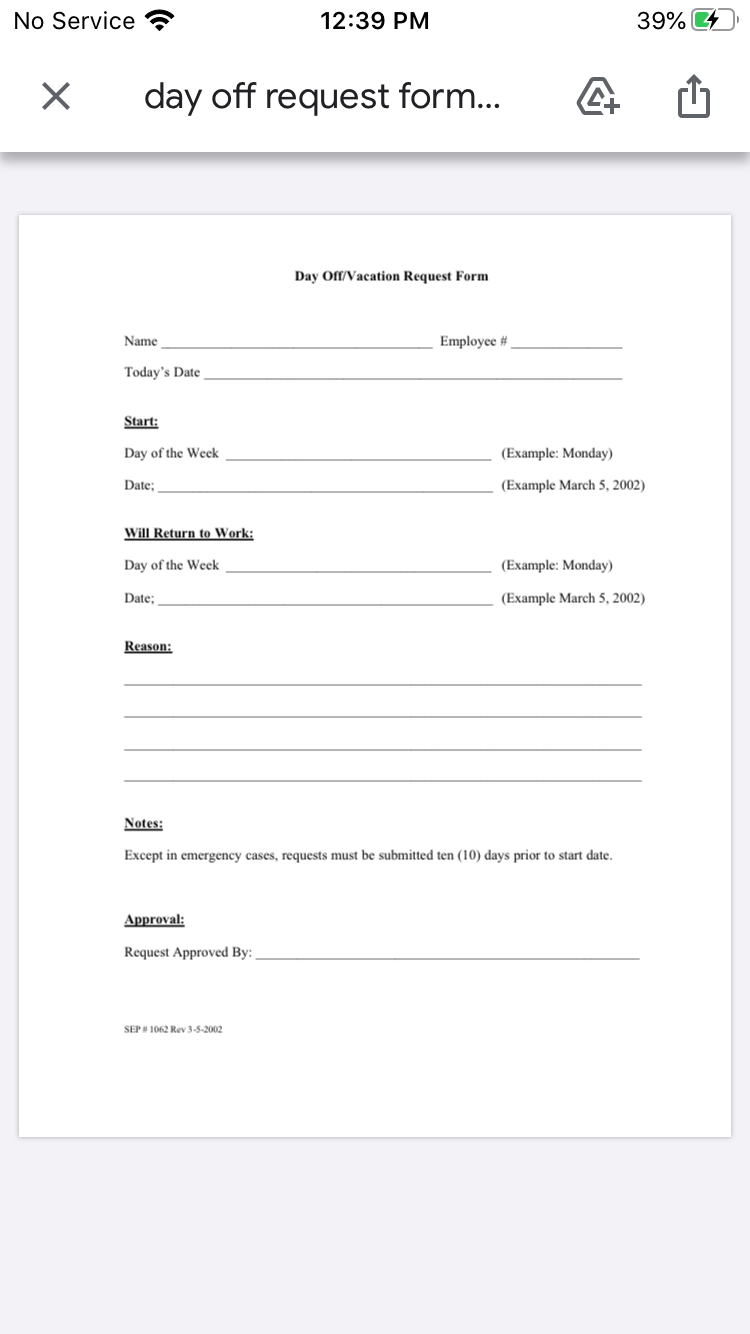
Abre un archivo adjunto de correo electrónico
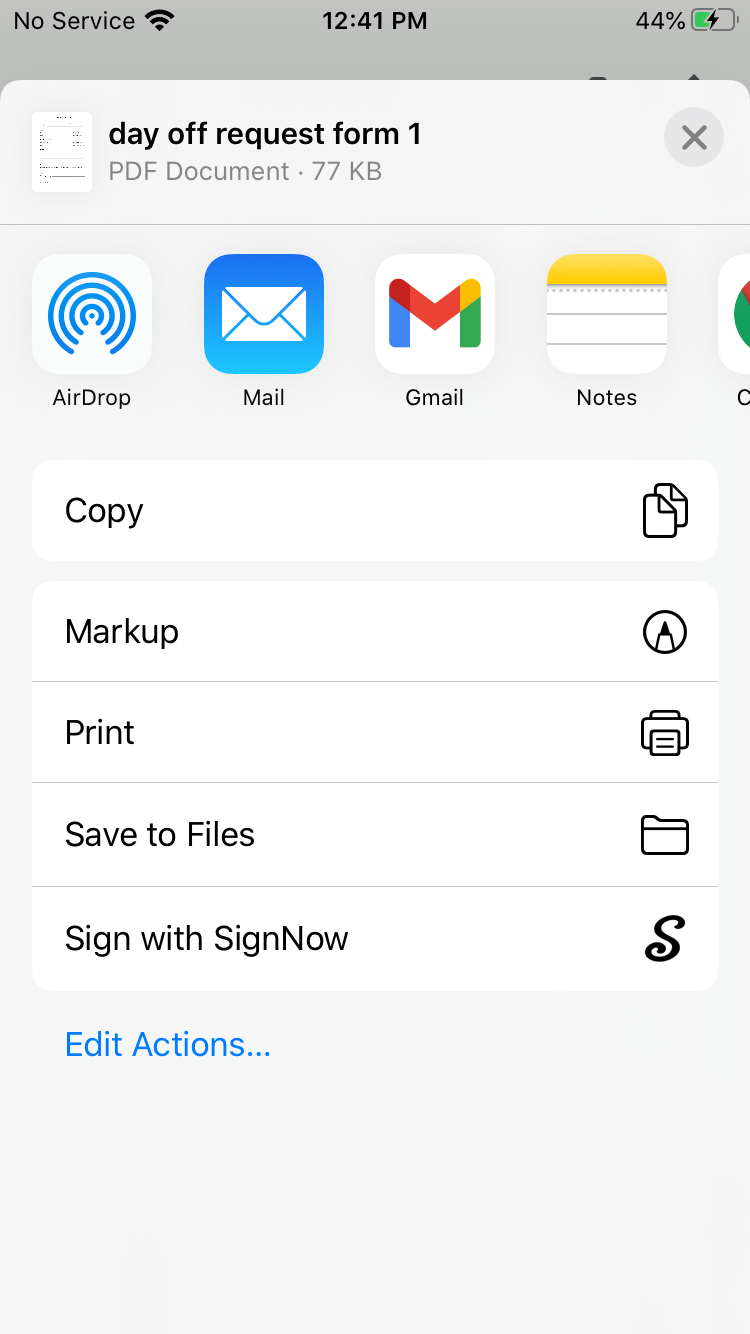
Ve a tu bandeja de entrada y abre un correo electrónico que contenga un documento PDF adjunto. Abre el adjunto y toca el botón Compartir.
Desplázate hacia abajo en el menú de compartir y toca Firmar con airSlate SignNow.
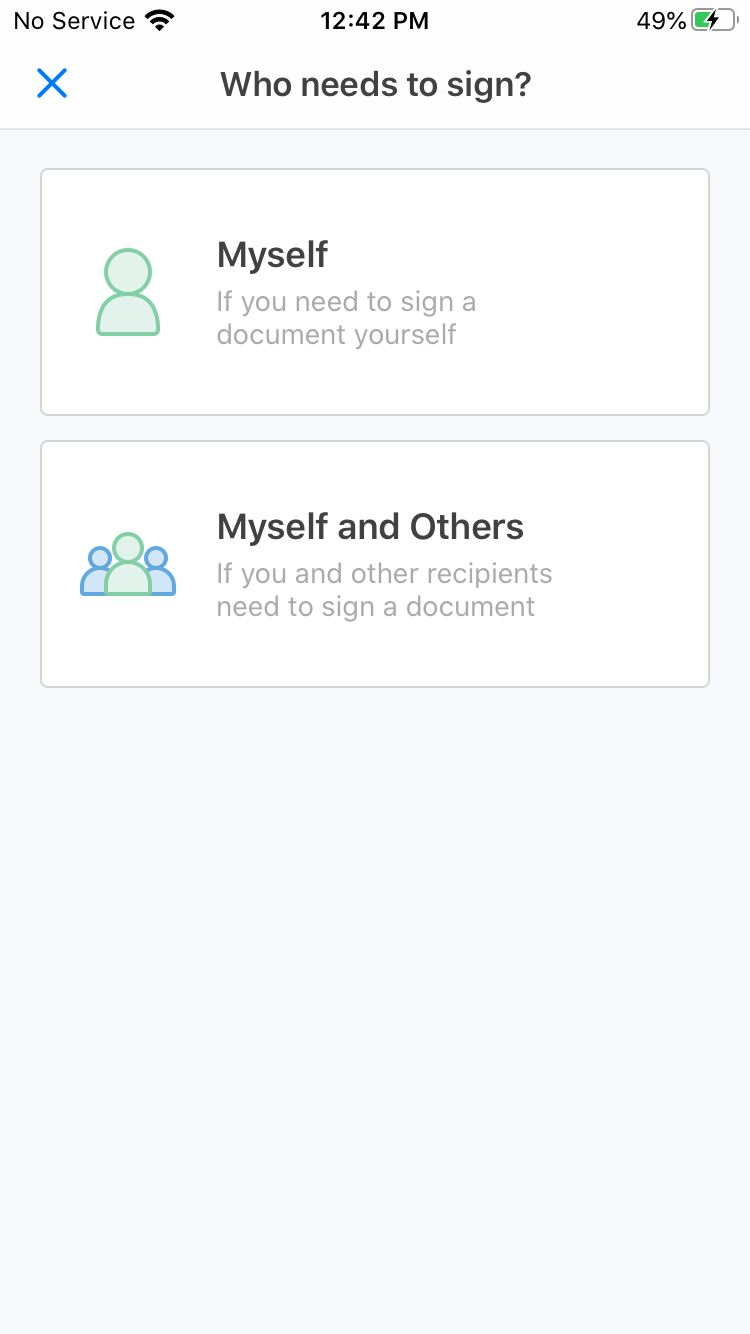
Importa tu adjunto de correo electrónico a airSlate SignNow
Decide quién va a firmar tu documento: solo tú o tú y otros firmantes.
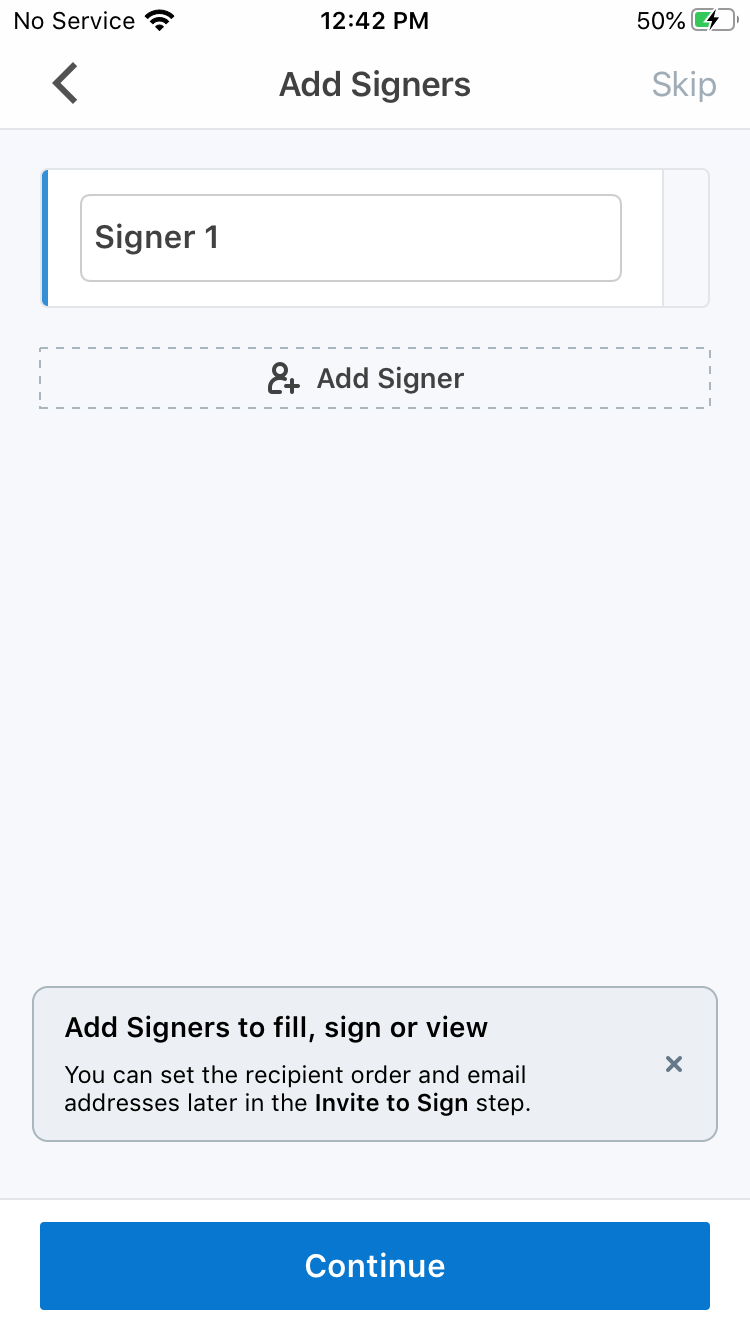
Si seleccionas la última opción, agrega tantos firmantes como necesites y toca Continuar.
Edita y guarda tu documento
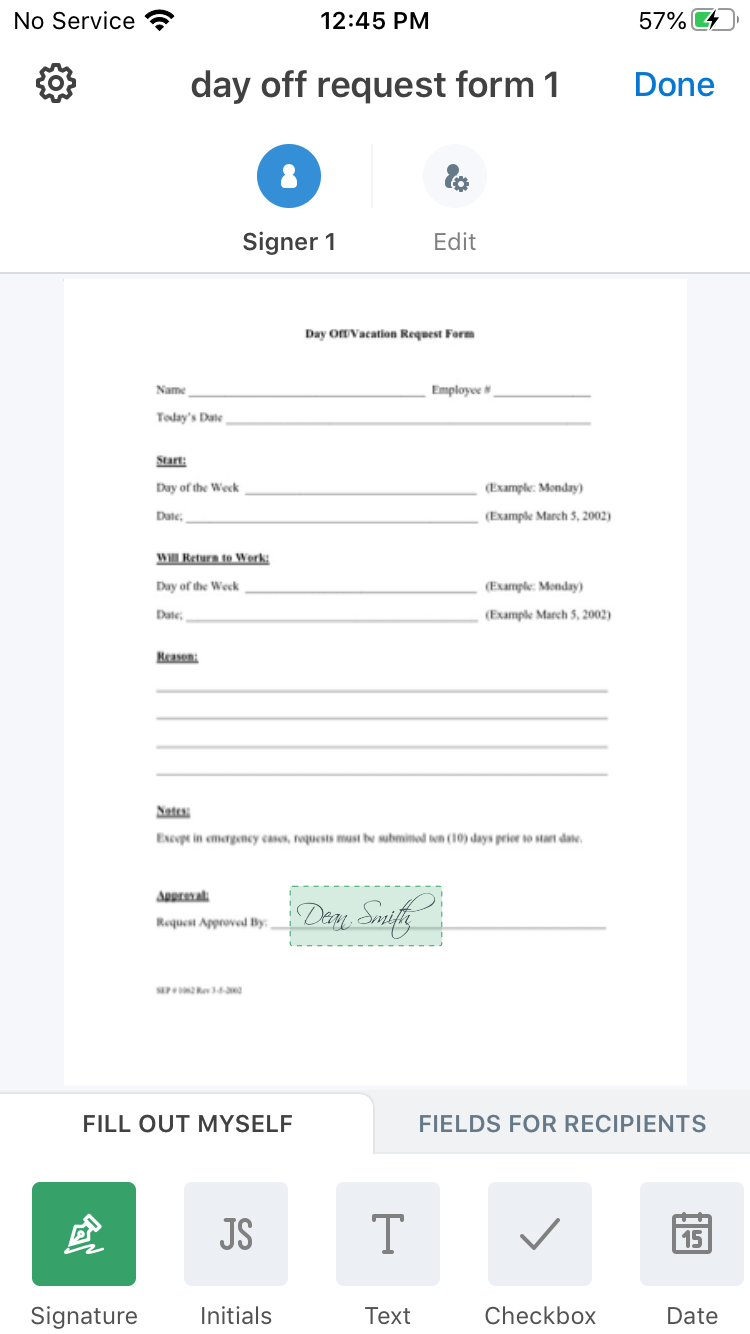
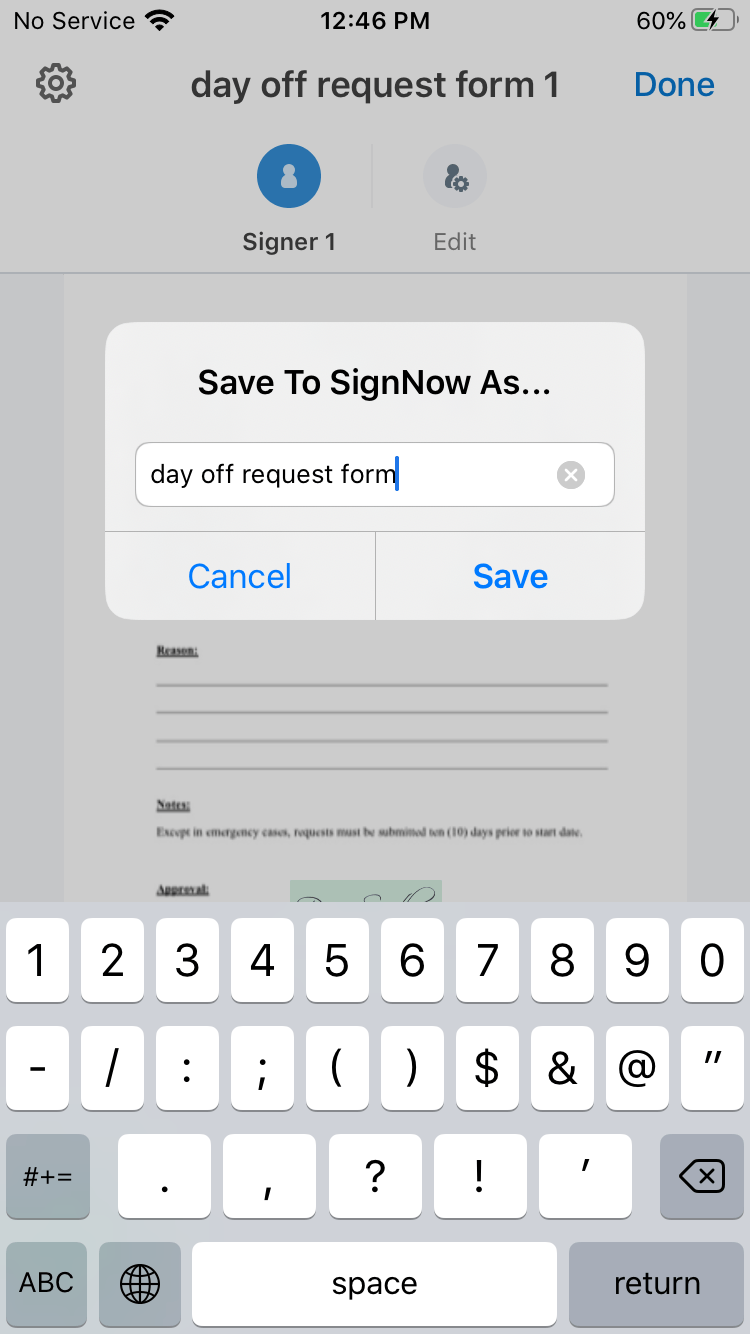
Tu documento se abrirá en el editor de airSlate SignNow. Firma el documento o agrega campos rellenables y toca Hecho > Guardar.
Ingresa el nombre de tu documento y guárdalo.
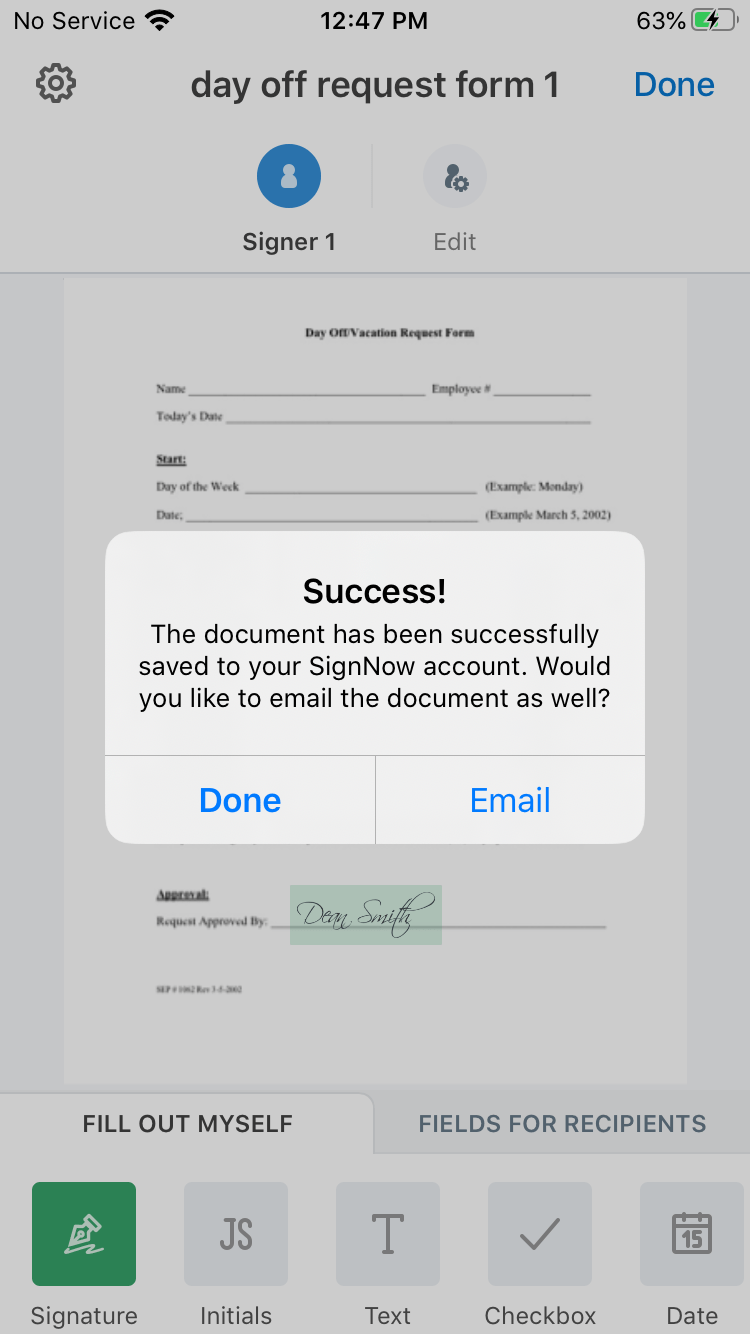
Tu documento se cargará en tu cuenta de airSlate SignNow. Luego puedes ir a tu carpeta de Documentos para encontrar tu archivo nuevo, o enviarlo por correo electrónico a alguien de inmediato.
Utilizamos cookies para mejorar la seguridad, personalizar la experiencia del usuario, potenciar nuestras actividades de marketing (incluida la colaboración con socios terceros o 3rd\u00a0party) y para otros usos comerciales. Haz clic\u00a0aquí\u00a0para leer nuestra Política\u00a0de cookies. Al hacer clic en “Aceptar“ aceptas el uso de cookies. ... Leer másLeer menos