Pista de auditoría
Registro completo de eventos con marca de tiempo, dirección IP y acciones de cada participante para respaldo legal.



El administrador diseña plantillas, configura permisos y supervisa pruebas. Durante un test signature request valida roles, administra claves y revisa la pista de auditoría para asegurar conformidad con políticas internas y requisitos regulatorios.
El firmante completa acciones en el flujo de prueba para verificar experiencia, autenticación y campos condicionales. Sus interacciones confirman usabilidad en dispositivos y la validez de la firma para uso legal posterior.
Registro completo de eventos con marca de tiempo, dirección IP y acciones de cada participante para respaldo legal.
Uso de plantillas preconfiguradas para asegurar consistencia de campos y reducir errores en envíos masivos.
Envío masivo comprobado para validar personalización, límites de remitentes y tasas de entrega.
Endpoints y respuestas verificados para integraciones que automatizan envíos y obtención de estados.
Métodos configurables como correo, SMS o verificación de identidad con terceros para firmantes.
Experiencia táctil y generación de firmas manuscritas desde dispositivos móviles.
Permite enviar documentos directamente desde Google Docs, preservando formato y sincronizando versiones después de la firma.
Integración con CRM para mapear campos, adjuntar documentos firmados y actualizar estados de oportunidad automáticamente.
Sincroniza documentos firmados a carpetas designadas y mantiene copias para retención y auditoría.
Inicio de sesión único para administradores y usuarios, simplificando la gestión de accesos y permisos centralizados.
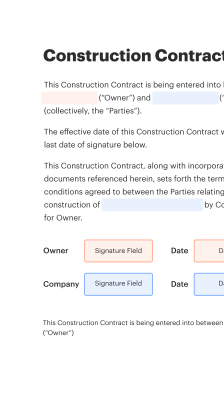
| Setting Name | Configuration |
|---|---|
| Reminder Frequency and Escalation Interval | 48 hours |
| Document Expiration and Auto-void | 30 days |
| Signer Routing and Role Assignment | Sequential |
| Retention and Archive Policy | 90 days |
Pruebe en múltiples dispositivos y tamaños de pantalla para confirmar colocación de campos, comportamiento táctil y generación de PDFs finales; ajuste según resultados antes del despliegue.
Se probó el flujo de contratación con formularios de firma y campos condicionales para capturar información de empleados
Resultando en aceleración del proceso de incorporación y menor carga administrativa.
Un hospital simuló envíos de consentimientos con autenticación reforzada y retención segura de documentos
Resultando en cumplimiento más firme con requisitos HIPAA y trazabilidad verificable.
| Criteria | signNow (Recommended) | DocuSign |
|---|---|---|
| HIPAA-ready | BAA disponible | BAA disponible |
| API para automatización | REST API completa | REST API completa |
| Bulk Send | Sí | Sí |
| Previsualización móvil | Sí | Sí |
| Criteria | signNow (Featured) | DocuSign | Adobe Sign | Dropbox Sign | PandaDoc |
|---|---|---|---|---|---|
| Free plan available | Prueba gratuita | Prueba gratuita | Incluido en prueba | Prueba gratuita | Plan gratuito |
| Starter monthly price | Desde bajo costo | Desde medio costo | Incluido con Acrobat | Desde medio costo | Desde medio costo |
| Enterprise contracts available | Sí | Sí | Sí | Sí | Sí |
| Native Google integration | Sí | Sí | Integración parcial | Sí | Sí |
| Bulk Send support | Sí | Sí | Limitado | Sí | Sí |
Crea, realiza y gestiona flujos de trabajo de cualquier complejidad, digitalmente desde prácticamente cualquier lugar. Las funciones escalables de firma electrónica aseguran que puedas compartir contratos con los usuarios adecuados en la secuencia correcta y asignar roles a cada destinatario. Realiza flujos de trabajo de documentos más rápido y más simple que nunca.
Mejora las tareas de firma sofisticadas con las capacidades efectivas de airSlate SignNow para potenciar tu empresa. Controla tus flujos de trabajo automáticos de firma electrónica para garantizar que funcionen con la máxima funcionalidad con avisos y recordatorios inmediatos.
Reúne a los equipos en un entorno protegido y compartido. Gestiona papeleo, usa plantillas de formularios y notificaciones para crear una comunicación más efectiva entre empresas. Libera a tus empleados de tener que dedicar tiempo a acciones repetitivas para que puedan centrarse en proyectos beneficiosos y vitales para el negocio.
Trabaja tus tareas con integración líder en la industria. Reúne Salesforce, Microsoft Teams y SharePoint en un solo flujo de negocio. Conecta tus aplicaciones a una sola unidad para oportunidades infinitas y mayor eficiencia.
Siente seguridad sabiendo que tus datos permanecen seguros gracias a la encriptación más reciente. airSlate SignNow está certificado por GDPR y eIDAS y te ofrece visibilidad en tu proceso de firma electrónica con registros de auditoría admisibles en tribunales. Configura permisos de acceso de usuario y roles para regular quién tiene acceso a qué.