Import par e‑mail
Capture automatique des pièces jointes envoyées à une adresse dédiée, avec filtrage par expéditeur et sujet, pour intégrer directement les documents au flux de signature sans intervention manuelle de l'utilisateur.




L'administrateur configure l'adresse d'import, gère les règles de filtrage et les mappings de modèles. Il contrôle les accès, révise les journaux d'audit et ajuste les paramètres de rétention pour assurer conformité et sécurité.
L'opérateur surveille les files d'import, traite les exceptions manuelles, vérifie la qualité des pièces jointes et déclenche les vérifications nécessaires avant envoi pour signature, en respectant les règles définies par l'administrateur.
En automatisant l'ingestion des documents par e‑mail, ces équipes réduisent les erreurs manuelles, améliorent la traçabilité et accélèrent les cycles d'approbation tout en conservant des preuves exploitables.
Capture automatique des pièces jointes envoyées à une adresse dédiée, avec filtrage par expéditeur et sujet, pour intégrer directement les documents au flux de signature sans intervention manuelle de l'utilisateur.
Analyse des fichiers joints pour détecter les types de documents (contrat, facture, formulaire) et appliquer des règles de mappage vers des modèles préconfigurés afin d'accélérer la préparation au signature.
Lecture et extraction automatique de champs clés (noms, dates, numéros de commande) depuis le contenu et les noms de fichiers pour alimenter les champs du document et les systèmes externes.
Assignation automatique des documents extraits à des templates de signature existants, incluant le placement de champs de signature et de données, pour normaliser les envois.
Vérification des formats et conversion automatique si nécessaire (par exemple PDF/A), garantissant la compatibilité avec les exigences d'archivage et de signature.
Enregistrement détaillé des étapes d'import, des utilisateurs et des actions réalisées, fournissant une piste d'audit complète pour la conformité et la traçabilité.
Permet d'enregistrer automatiquement les pièces jointes importées dans un dossier Drive identifié, de convertir les fichiers en formats éditables et de déclencher des workflows prédéfinis pour la collaboration et la signature.
Associe les documents importés aux enregistrements clients dans des CRM comme Salesforce, en enrichissant les fiches client et en créant des tâches de suivi liées aux contrats à signer.
Archive les pièces jointes dans des répertoires sécurisés, applique des règles de conservation et partage des liens protégés pour permettre l'accès contrôlé par les équipes.
Expose des endpoints pour automatiser l'import, déclencher des traitements et synchroniser les métadonnées avec des systèmes externes.
| Setting Name | Configuration |
|---|---|
| Adresse d'import dédiée | adresse+import@votredomaine.com |
| Règles de filtrage d'expéditeur | Listes blanches internes |
| Mappage de modèles | Association automatique |
| Fréquence de traitement | Immédiat |
Pour une expérience optimale, maintenez le navigateur ou l'application à jour, activez HTTPS et vérifiez les paramètres de pièces jointes côté serveur de messagerie pour éviter les blocages liés à la taille ou au type de fichier.
Une banque reçoit des formulaires clientes par e‑mail et automatise l'intégration des pièces jointes
Résultant en accélération des approbations de crédit et meilleure traçabilité des dossiers.
Un établissement scolaire centralise les dossiers d'inscription envoyés par e‑mail et les importe vers le système interne
Conduisant à une gestion des inscriptions plus rapide et auditée selon FERPA.
| Criteria | signNow (Recommended) | DocuSign | Adobe Sign |
|---|---|---|---|
| Import automatique depuis e‑mail | Oui | Oui | Oui |
| Mapping vers templates | Oui | Oui | Oui |
| API pour intégration | REST API | REST API | REST API |
| Conformité HIPAA optionnelle | Oui | Oui | Oui |
7 ans
10 ans
Conservation conforme HIPAA
Réplication journalière
Processus programmé
| Criteria | signNow (Featured) | DocuSign | Adobe Sign | HelloSign | PandaDoc |
|---|---|---|---|---|---|
| Plan d'entrée | À partir de $8/user/mo | À partir de $10/user/mo | À partir de $9.99/user/mo | À partir de $15/user/mo | À partir de $19/user/mo |
| Essai gratuit | Oui, 7 jours | Oui, 30 jours | Oui, 30 jours | Oui, 30 jours | Oui, 14 jours |
| Import par e‑mail | Oui | Oui | Oui | Oui | Oui |
| Fonctions Entreprise | SSO, API, archivage | SSO, API, archivage | SSO, API, archivage | API, intégrations | API, intégrations |
| Support HIPAA | Optionnel sur demande | Optionnel | Optionnel | Non précisé | Optionnel |
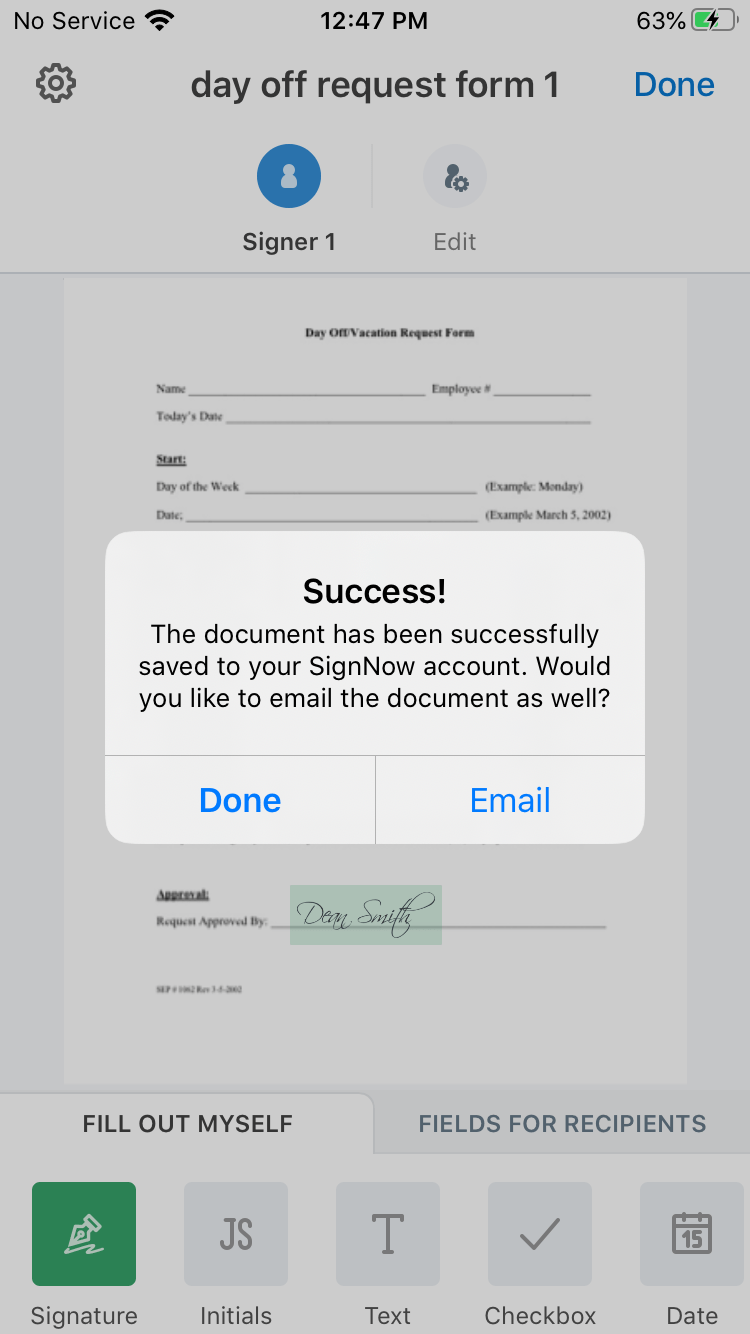
Déplacez un document de votre boîte mail vers votre compte airSlate SignNow en quelques secondes sur votre smartphone. Signez instantanément le document importé ou envoyez-le pour une signature électronique immédiatement.
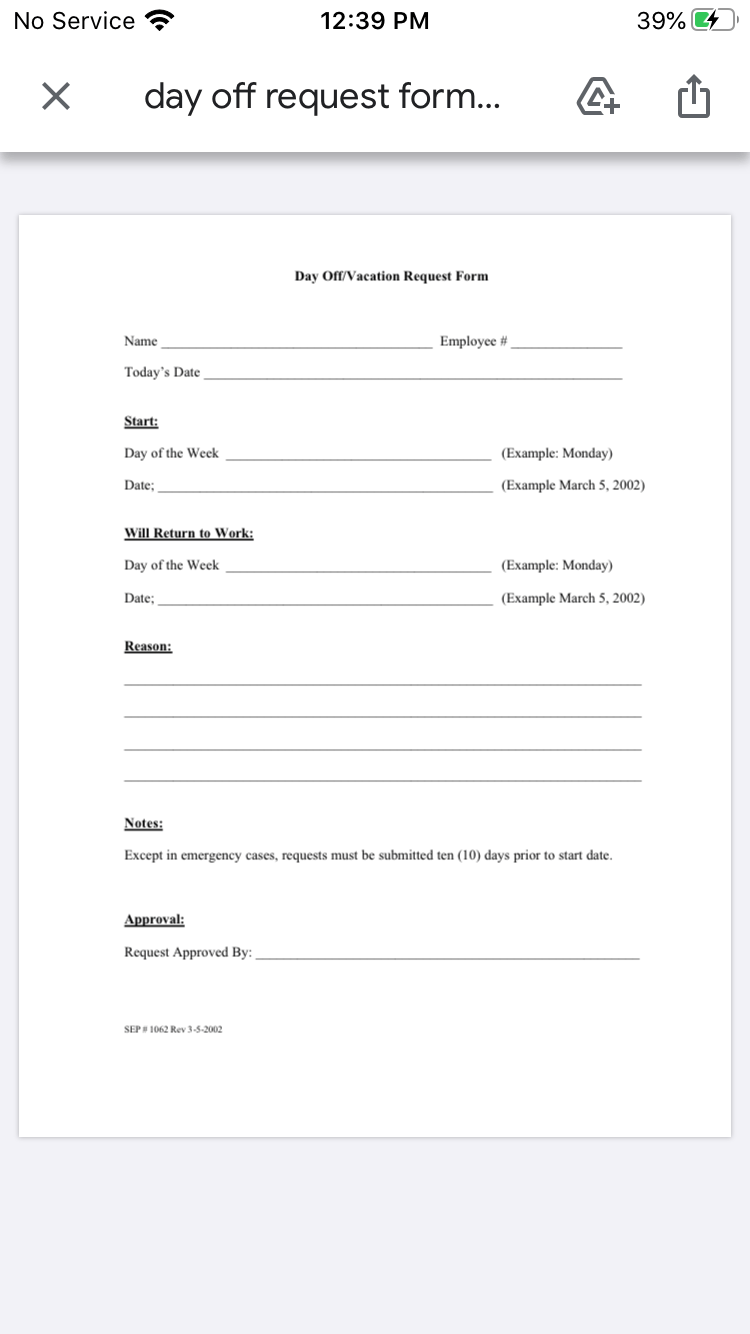
Accédez à votre boîte mail et ouvrez un email contenant un document PDF en pièce jointe. Ouvrez la pièce jointe et appuyez sur le bouton Partager.
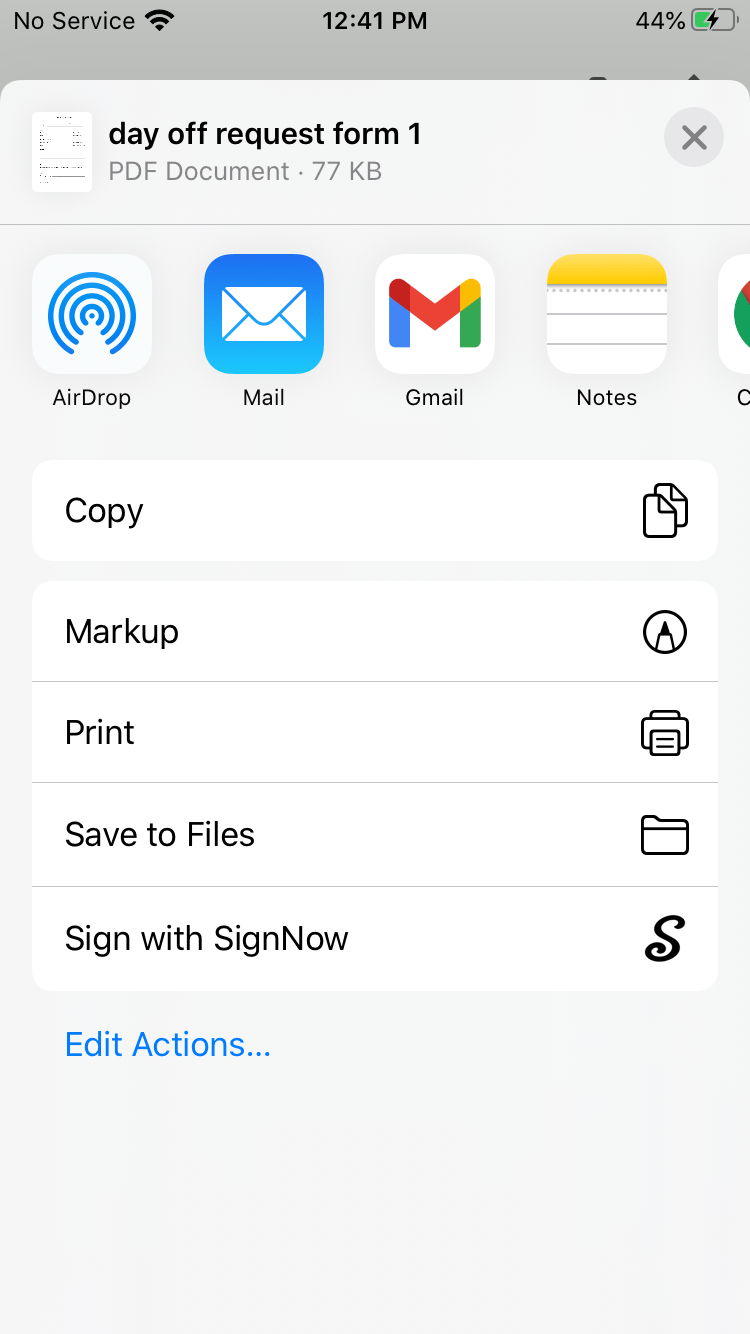
Faites défiler le menu de partage et appuyez sur Signer avec airSlate SignNow.
Décidez qui doit signer votre document : uniquement vous ou vous et d'autres signataires.
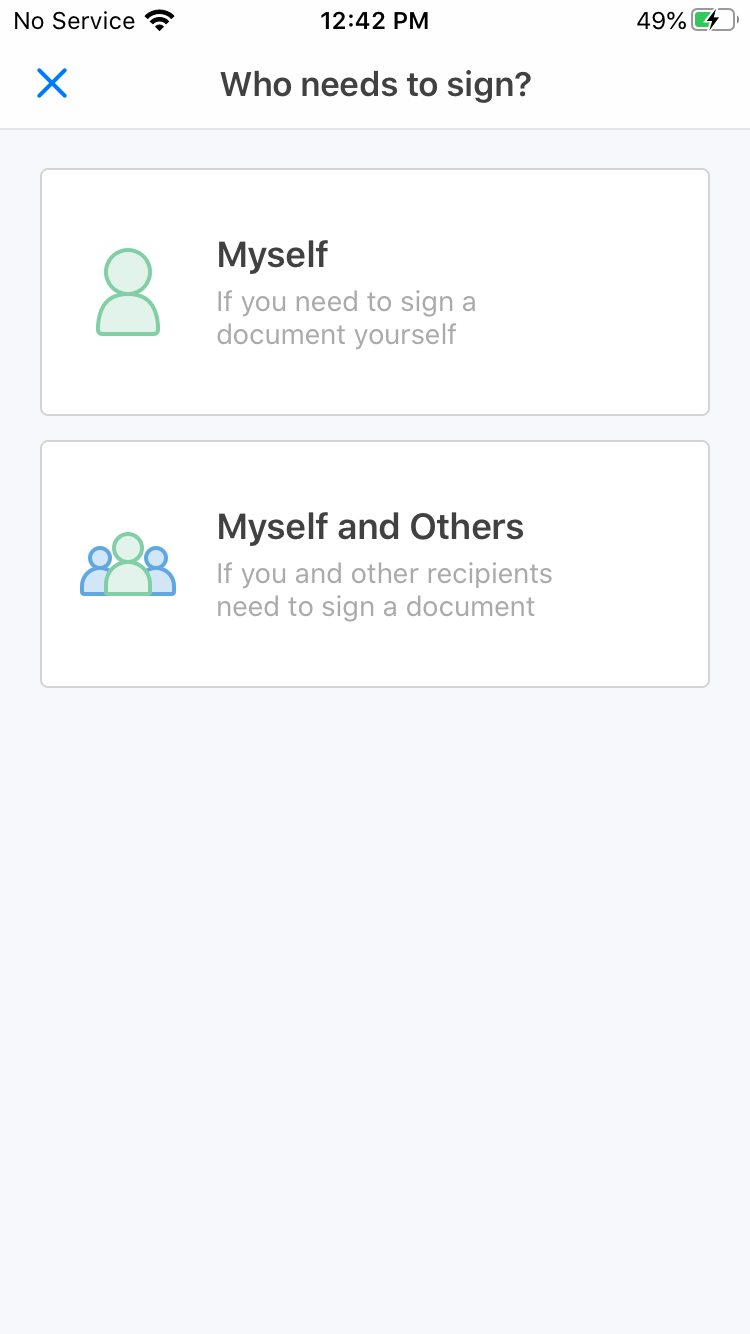
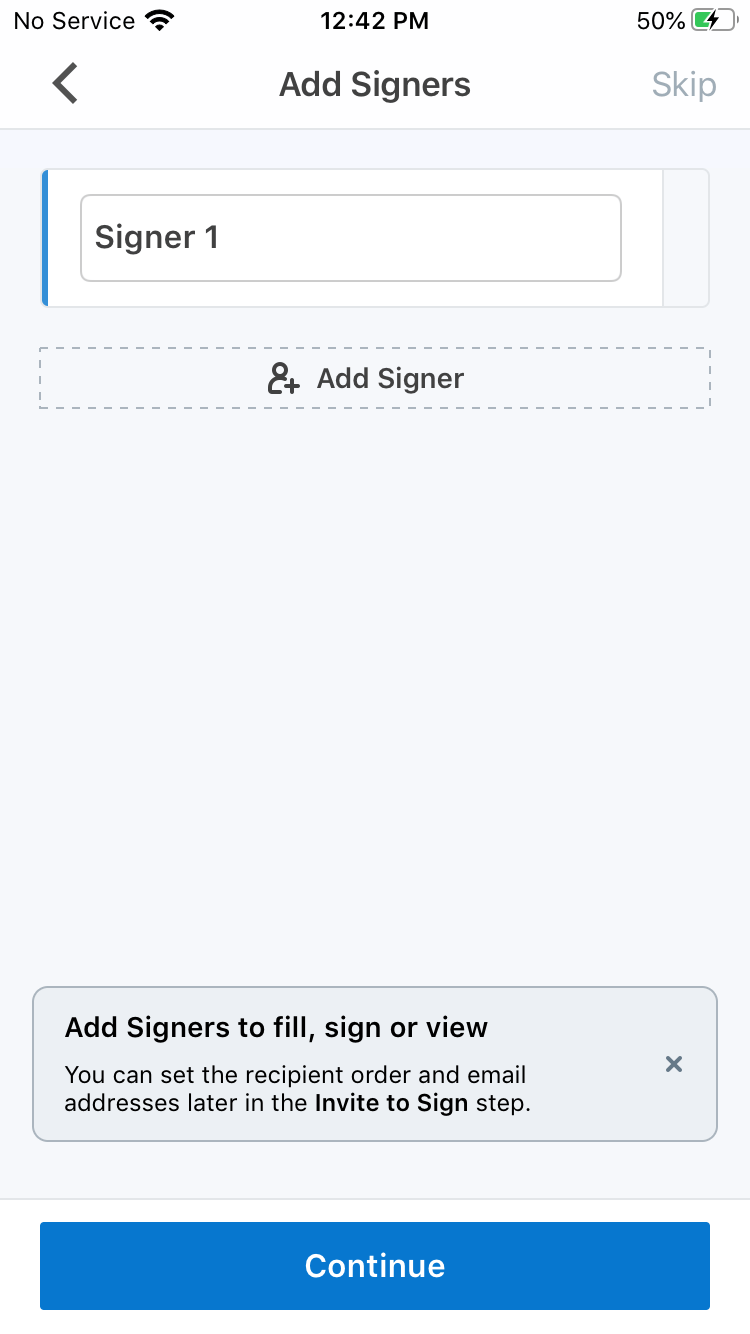
Si vous choisissez cette dernière option, ajoutez autant de signataires que nécessaire et appuyez sur Continuer.
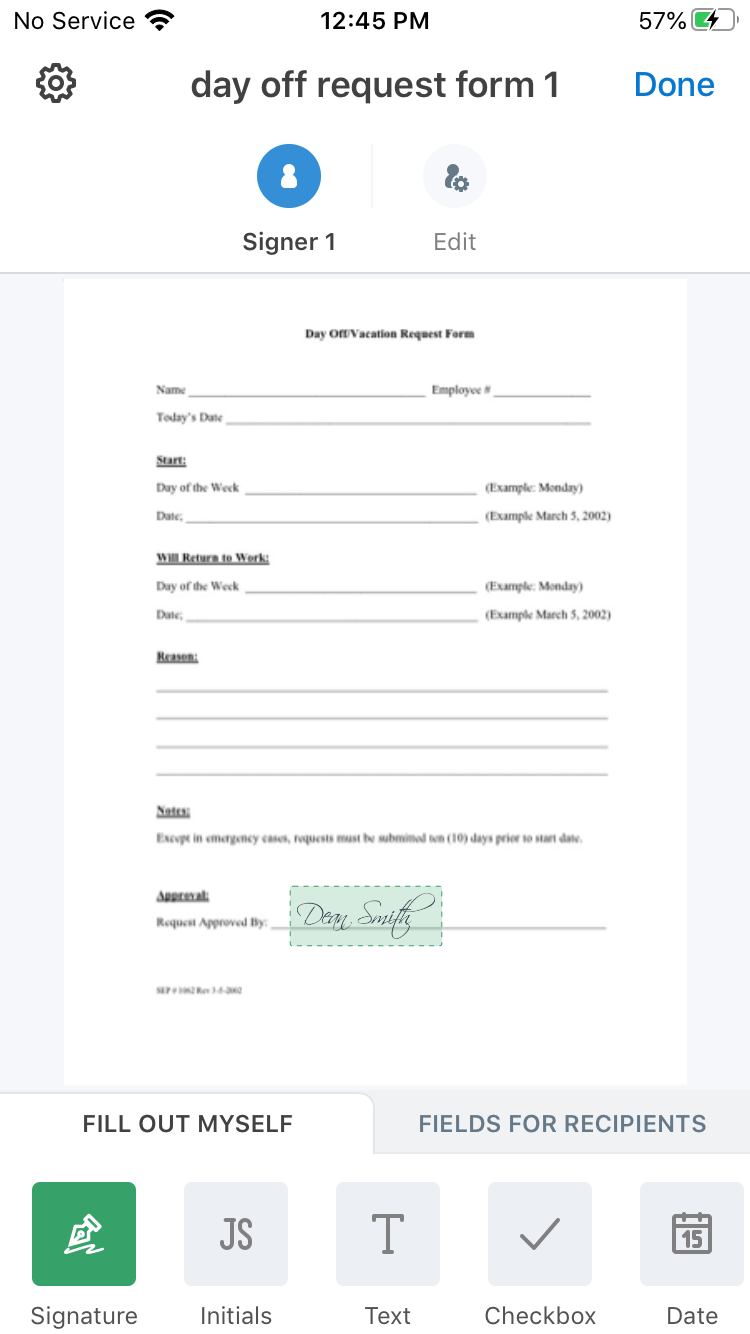
Votre document s'ouvrira dans l'éditeur airSlate SignNow. Signez le document ou ajoutez des champs à remplir, puis appuyez sur Terminé > Enregistrer.
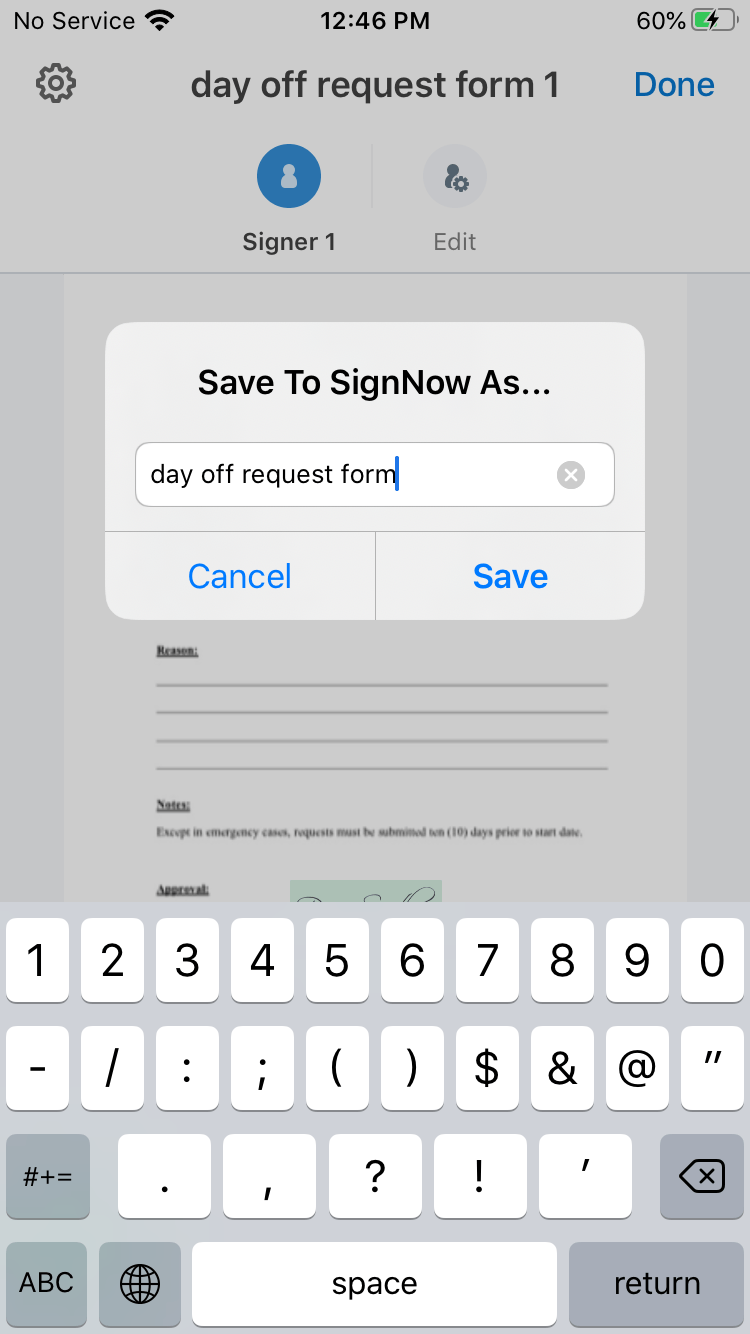
Saisissez le nom de votre document et enregistrez-le.
Votre document sera téléchargé dans votre compte airSlate SignNow. Vous pouvez ensuite aller dans votre dossier Documents pour trouver votre nouveau fichier, ou l’envoyer par email à quelqu’un immédiatement.