Configurer L'authentification à Deux Facteurs Avec SignNow
Configurer l'authentification à deux facteurs avec signNow pour renforcer la sécurité de vos documents électroniques. Protégez vos informations sensibles efficacement.
Qu'est-ce que setup dual factor authentication et quel est son rôle
Le setup dual factor authentication est le processus de configuration d'une authentification à deux facteurs pour sécuriser l'accès aux comptes et valider l'identité des signataires lors des transactions électroniques. Dans le contexte des signatures numériques, il combine généralement quelque chose que l'utilisateur connaît (mot de passe) et quelque chose que l'utilisateur possède (code envoyé par SMS, application d'authentification ou clé matérielle). Cette méthode réduit considérablement le risque d'usurpation d'identité et permet de répondre aux exigences de vérification d'identité demandées par des cadres réglementaires américains tels qu'ESIGN et UETA, tout en s'intégrant aux journaux d'audit des solutions eSignature comme signNow.
Le déploiement de setup dual factor authentication renforce la sécurité des comptes utilisateurs, diminue les risques de compromission et améliore la valeur probante des transactions électroniques pour la conformité réglementaire.
Principaux défis lors du setup dual factor authentication
Adoption utilisateur lente lorsque les étapes d'authentification sont perçues comme fastidieuses.
Gestion des appareils perdus ou des numéros de téléphone obsolètes pour la récupération.
Intégration technique complexe avec systèmes hérités et fournisseurs d'identité externes.
Coût additionnel et maintenance pour la prise en charge des méthodes MFA variées.
Profils d'utilisateurs concernés par setup dual factor authentication
Responsable IT
Le responsable IT supervise la configuration centralisée du MFA, définit les politiques d'authentification et gère les intégrations SSO et fournisseurs d'identité pour assurer une application cohérente du setup dual factor authentication à l'échelle de l'organisation.
Gestionnaire conformité
Le gestionnaire conformité valide que les méthodes d'authentification satisfont aux obligations ESIGN et UETA, documente les processus d'identification et utilise les journaux d'audit produits par le système pour répondre aux contrôles réglementaires.
Qui utilise setup dual factor authentication dans l'entreprise
Équipes IT responsables du contrôle d'accès et de la configuration des politiques.
Départements conformité qui exigent des preuves d'identité robustes pour audits.
Unités métiers manipulant données sensibles, contrats ou dossiers étudiants.
Les organisations où la confidentialité est critique, comme la santé et l'éducation, trouvent dans setup dual factor authentication un levier de réduction de risque opérationnel et légal.
soyez prêt à en obtenir plus
Choisissez une meilleure solution
Fonctions clés à considérer pour setup dual factor authentication
Fonctionnalités qui améliorent l'efficacité et la sécurité lors de la mise en place du setup dual factor authentication pour la signature électronique.
Options MFA
Support des codes SMS, applications TOTP comme Google Authenticator, clés U2F pour offrir flexibilité et sécurité selon le profil utilisateur et le niveau de risque.
Intégration SSO
Connexion avec fournisseurs SAML/Okta/Azure AD pour centraliser l'authentification et appliquer des politiques cohérentes de gestion des identités.
Récupération sécurisée
Processus de récupération qui utilise vérifications secondaires et approbations administratives pour limiter les comptes compromis et préserver la sécurité.
Journaux d'audit
Traçabilité complète des événements d'authentification, incluant horodatage, adresse IP et méthode MFA, utile pour les audits et les enquêtes.
Comment fonctionne setup dual factor authentication dans un envoi de document
Flux typique de vérification lorsque setup dual factor authentication est requis pour signer un document en ligne.
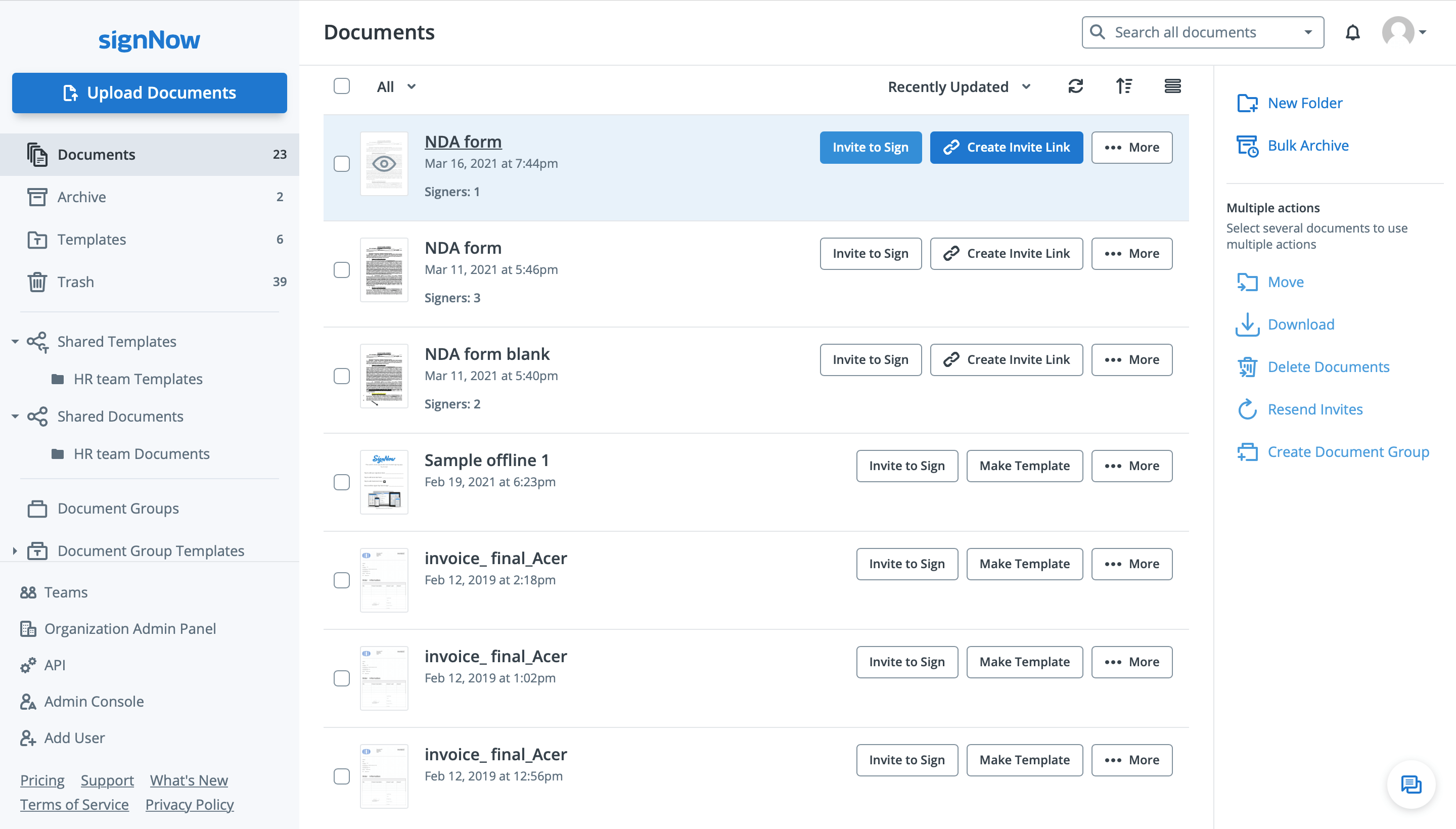
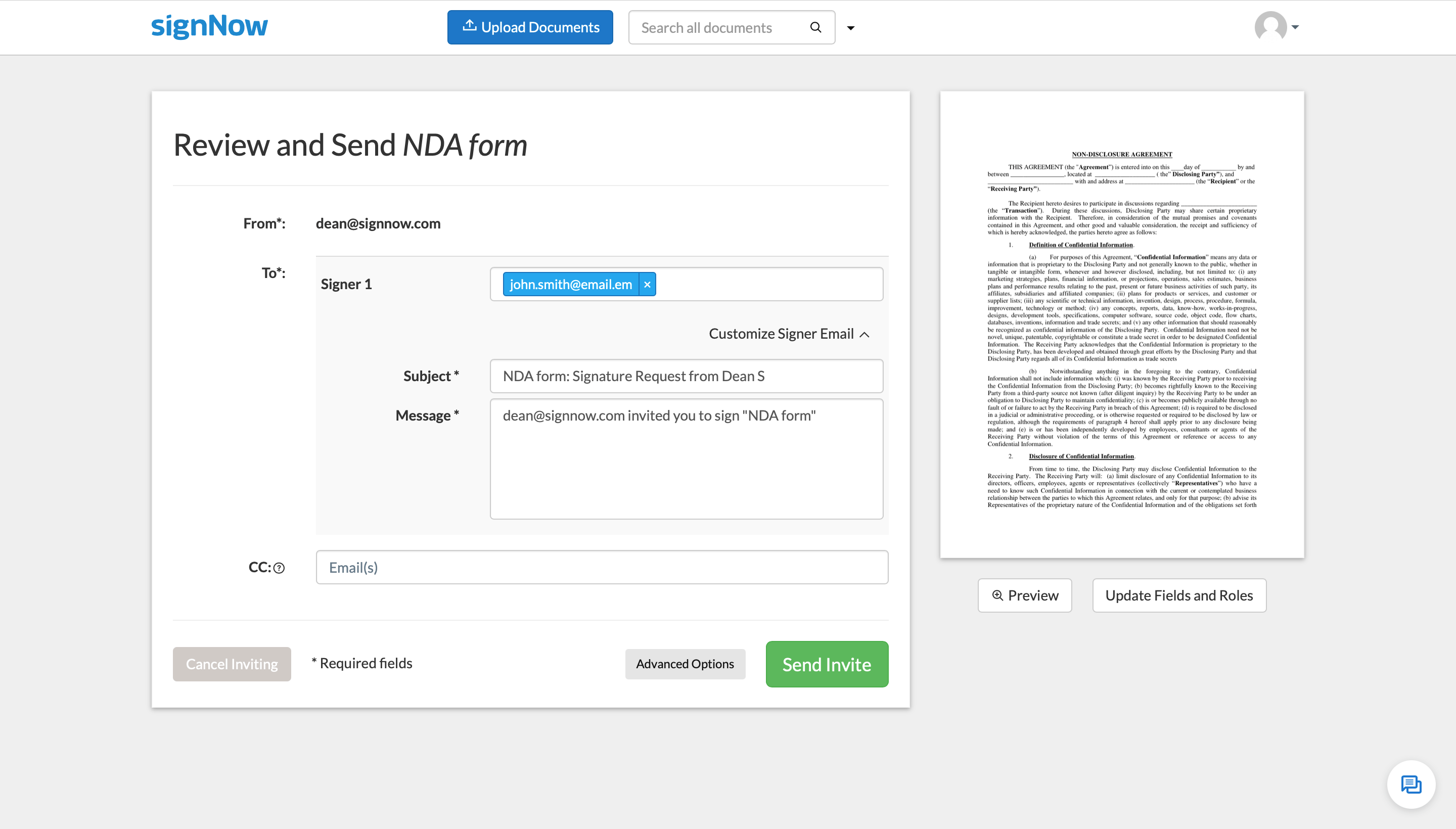
Envoi: Le document est configuré pour exiger MFA au moment de l'envoi.
Notification: Le signataire reçoit une invitation avec indication MFA.
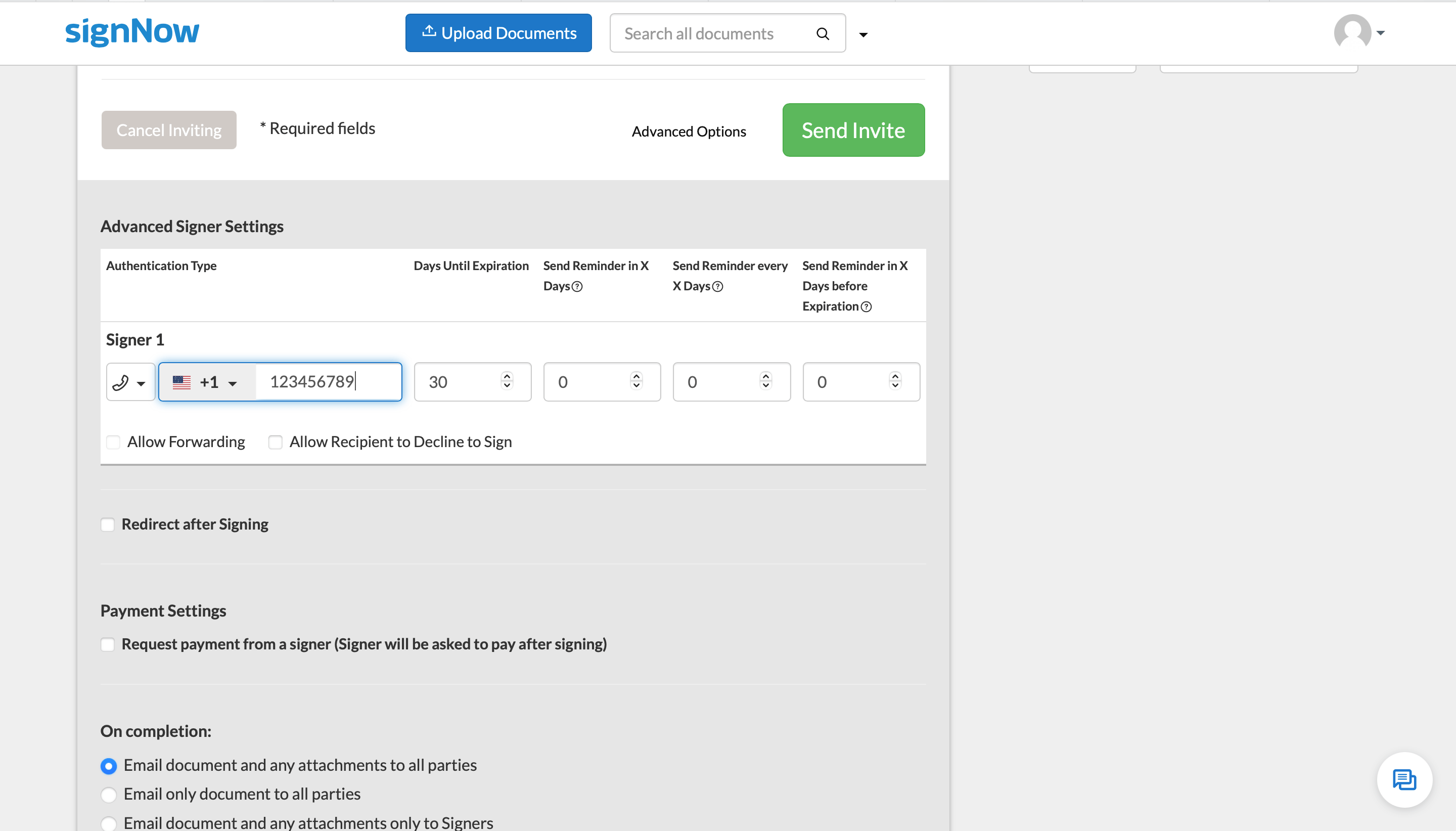
Vérification: Le signataire confirme son identité via le second facteur choisi.
Signature: La signature est apposée et l'audit est enregistré.
Collectez les signatures
24x
plus rapidement
Réduisez les coûts de
$30
par document
Économisez jusqu'à
40h
par employé / mois
Guide rapide : configurer setup dual factor authentication
Étapes essentielles pour activer et tester setup dual factor authentication dans un service de signature électronique.
01
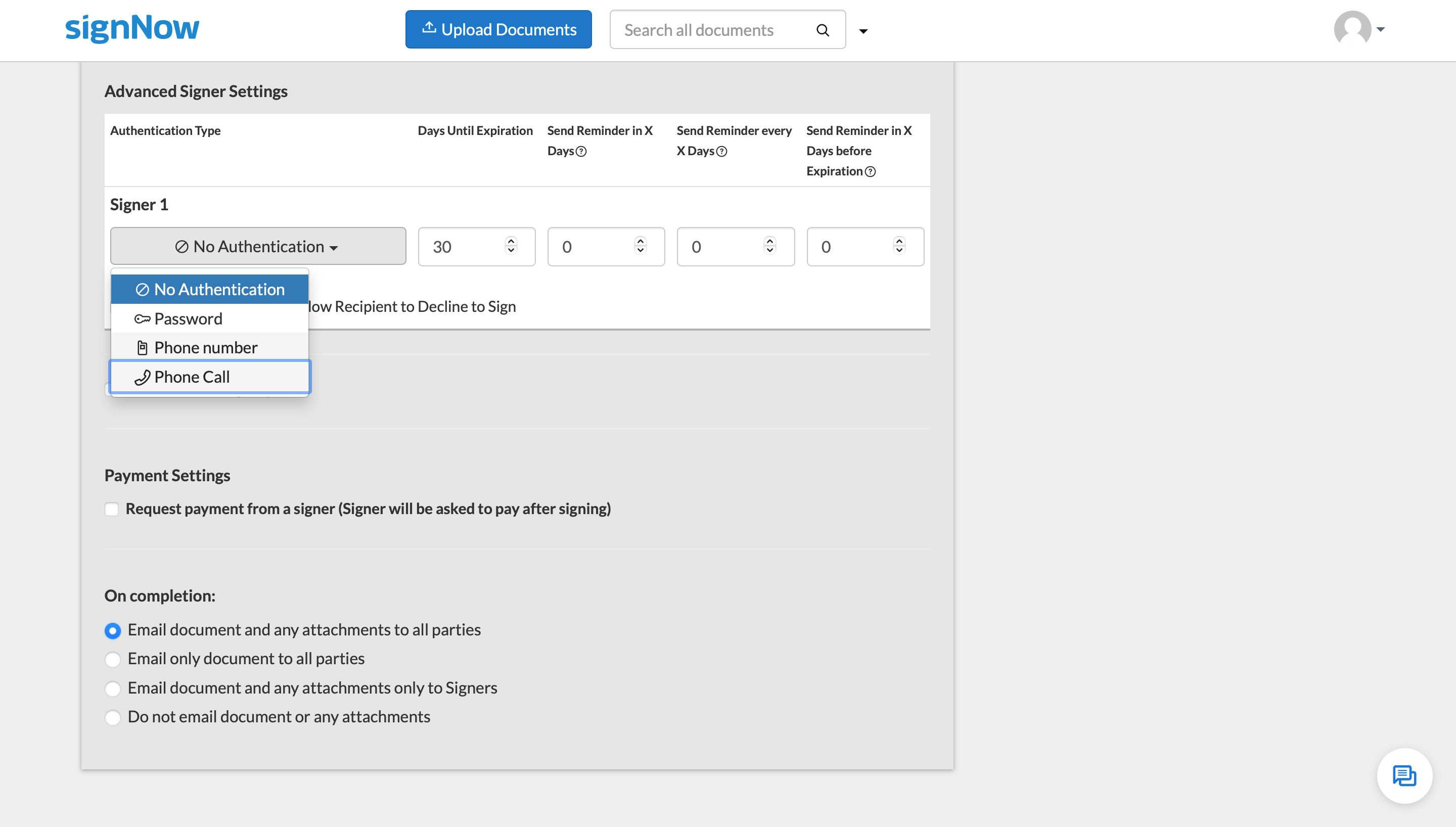
Activer MFA: Activer l'option MFA dans le panneau d'administration.
02
Choisir méthodes: Sélectionner SMS, TOTP ou clés matérielles.
03
Déployer politique: Appliquer la politique aux groupes d'utilisateurs.
04
Tester flux: Vérifier l'inscription et le processus de récupération.
soyez prêt à en obtenir plus
Pourquoi choisir airSlate SignNow
Essai gratuit de 7 jours. Choisissez le forfait dont vous avez besoin et essayez-le sans risque.
Une tarification transparente pour des forfaits complets. airSlate SignNow propose des abonnements sans dépassements ni frais cachés au renouvellement.
Sécurité de niveau entreprise. airSlate SignNow vous aide à vous conformer aux normes de sécurité mondiales.
Assurez-vous que les utilisateurs disposent d'applications d'authentification compatibles et que l'IT a déployé les configurations SSO nécessaires pour garantir une expérience d'authentification cohérente et sécurisée.
Principales fonctions de sécurité pour setup dual factor authentication
Méthodes MFA:SMS, TOTP, clé matérielle
Chiffrement transit:TLS 1.2+ requis
Chiffrement stockage:AES-256 recommandé
Gestion des sessions:Expiration automatique
Journaux d'audit:Horodatage et IP
Contrôles d'accès:Rôles et permissions
Cas d'utilisation concrets du setup dual factor authentication
Exemples pratiques montrant comment setup dual factor authentication protège les transactions et facilite la conformité dans différents secteurs.
Santé — signatures de consentement
Une clinique configure setup dual factor authentication pour les signatures de consentement des patients afin d'authentifier l'identité avant la signature
Méthode utilisée : TOTP via application mobile
Bénéfice : réduit les risques d'usurpation d'identité et protège les données de santé
Résultant en une traçabilité renforcée et une capacité d'audit pour vérifier conformité HIPAA et preuves d'acceptation.
Éducation — autorisations parentales
Une université déploie setup dual factor authentication pour les autorisations parentales sur formulaires sensibles
Méthode utilisée : code SMS ou e-mail + mot de passe
Bénéfice : simplifie la validation d'identité des parents tout en conservant l'expérience mobile
Menant à une réduction des refus de documents et à des enregistrements d'audit exploitables pour FERPA.
Bonnes pratiques pour déployer setup dual factor authentication
Recommandations opérationnelles pour garantir un déploiement sécurisé et utilisable de setup dual factor authentication.
Définir politiques par risque
Segmenter les utilisateurs par niveau sensible et appliquer des exigences MFA plus strictes pour les comptes à accès élevé ou manipulant des données régulées.
Former les utilisateurs
Communiquer sur le fonctionnement de MFA, les procédures de récupération et les raisons de sécurité pour améliorer l'adhésion et réduire les demandes d'assistance.
Valider intégrations
Tester régulièrement les intégrations SSO et les flux MFA sur tous les appareils supportés pour détecter des régressions et garantir la compatibilité.
Documenter procédures
Conserver des guides d'administration et des journaux d'audit afin de fournir des preuves en cas d'audit ESIGN/UETA ou d'enquête sur incident.
Mettre en place une procédure de récupération qui combine vérification d'identité hors bande et approbation administrative. Prévoir des codes de secours à usage unique et l'enregistrement d'un second facteur de secours pour réduire les interruptions.
Vérifier la synchronisation horaire sur le dispositif de l'utilisateur et le serveur. Les codes TOTP sont sensibles à l'heure et nécessitent une synchronisation précise pour être acceptés.
Demander une méthode de secours et valider les nouveaux numéros via un processus sécurisé avant de désactiver l'ancien facteur afin d'éviter les verrouillages accidentels de comptes.
L'audit inclut horodatage, adresse IP, méthode MFA utilisée et identité du signataire, fournissant des éléments probants pour les enquêtes et les réponses aux obligations ESIGN/UETA.
Ajuster les règles de sensibilité, ajouter des exceptions pour adresses IP approuvées et analyser les incidents pour affiner les politiques sans compromettre la sécurité globale.
Privilégier TOTP ou clés matérielles pour une meilleure sécurité, proposer SMS comme option de secours et fournir des instructions claires pour l'inscription et la récupération.
Comparaison rapide des capacités MFA entre fournisseurs
Tableau comparatif des méthodes MFA et intégrations disponibles pour setup dual factor authentication chez différents fournisseurs eSignature.
Criteria
signNow (Recommended)
DocuSign
Adobe Sign
Méthodes MFA disponibles
SMS, TOTP, U2F
SMS, TOTP
SMS, TOTP
Intégration SSO
Oui, SAML/SCIM
Oui, SAML
Oui, SAML
Journaux d'audit détaillés
Horodatage et IP
Horodatage
Horodatage et IP
Support réglementaire US
ESIGN, UETA, HIPAA
ESIGN, UETA
ESIGN, UETA
préparez-vous à obtenir plus
Recueillez dès maintenant des signatures juridiquement contraignantes !
Perte de données:Exposition d'informations sensibles
Responsabilité légale:Litiges contractuels accrus
Atteinte réputation:Confiance client réduite
Non-conformité:Contrôles échoués
Interruptions:Arrêt des opérations
Comparatif des offres et prix pour solutions eSignature avec MFA
Examen sommaire des niveaux d'entrée, fonctionnalités MFA incluses et indications de prix pour aider à évaluer le coût du déploiement.
Criteria
signNow (Recommended)
DocuSign
Adobe Sign
PandaDoc
HelloSign
Plan d'entrée (mensuel)
$8+/mo par utilisateur
$10+/mo par utilisateur
$14+/mo par utilisateur
$19+/mo par utilisateur
$15+/mo par utilisateur
MFA incluse dans plan de base
Oui, options TOTP/SMS
Options payantes
Inclus pour certains plans
Add-on
Inclus
Intégration SSO disponible
Oui, dans plans Pro
Oui, plans entreprise
Oui, plans entreprise
Oui, plans entreprise
Oui, plans entreprise
API et automatisation
API complète incluse
API complète
API disponible
API disponible
API disponible
Traçabilité et audit
Journaux détaillés inclus
Journaux inclus
Journaux inclus
Journaux inclus
Journaux inclus
Comment télécharger une image de document depuis la galerie vers airSlate SignNow
Déplacez facilement une photo de document depuis le stockage de votre appareil vers votre compte airSlate SignNow. Le document importé peut être rapidement modifié, transformé en un formulaire à remplir, et envoyé pour une signature électronique directement depuis votre smartphone ou tablette.
Commencez en un clic
Appuyez sur l'icône plus en bas à droite de l'écran d'accueil de l'application mobile airSlate SignNow pour faire apparaître le menu de téléchargement.
Sélectionnez Galerie dans le menu et parcourez votre appareil pour trouver l'image du document dont vous avez besoin.
Modifier & enregistrer des images de documents en quelques secondes
Une fois que vous avez sélectionné la photo dont vous avez besoin, elle s'ouvrira dans l'éditeur airSlate SignNow. Vous pouvez y ajouter des annotations et des champs à remplir en utilisant les outils en bas de l'écran.
Une fois terminé, appuyez sur l'icône de coche en haut à droite de l'écran pour enregistrer le document.
Entrez le titre de votre document dans la fenêtre contextuelle et cliquez sur Enregistrer.
Le document que vous venez de télécharger depuis votre galerie apparaîtra en haut de votre liste de « récents », dans le dossier Documents.
Nous utilisons des cookies pour améliorer la sécurité, personnaliser l'expérience utilisateur, renforcer nos activités de marketing (y compris la coopération avec nos partenaires de 3e partie) et pour d'autres usages professionnels. Cliquez ici pour lire notre politique en matière de cookies. En cliquant sur « Accepter », vous acceptez l'utilisation des cookies. ... Lire plusLire moins