Establishing secure connection…Loading editor…Preparing document…

Promissory Note Agreement

This template is fully customizable. Edit the text, fill out the fields, and send it for signature. Give it a try!
Promissory Note Agreement

What a Promissory Note Agreement Is and When It Applies

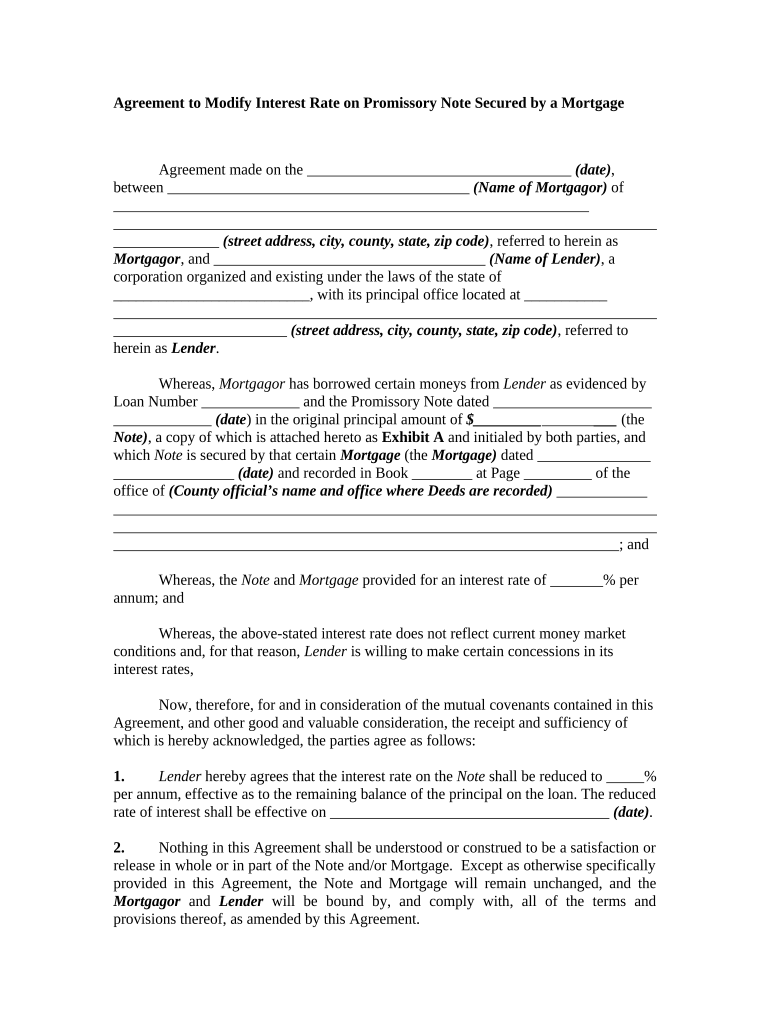
A Promissory Note Agreement is a written promise from a borrower to repay a specific sum to a lender under defined terms. It typically identifies the parties, principal amount, interest rate, repayment schedule, and remedies for default. Promissory notes can be unsecured or secured by collateral and may include acceleration, prepayment, and late-fee provisions. In the United States an electronically executed promissory note can be legally binding under the ESIGN Act and state UETA laws when the signature, consent and record-retention requirements are met.

Why Use a Formal Promissory Note Agreement

A written promissory note clarifies repayment obligations, supports enforceability in court, and documents lender remedies. It creates a clear record for tax reporting, helps manage borrower expectations, and preserves creditor rights if collection or collateral enforcement becomes necessary.

Why Use a Formal Promissory Note Agreement

Typical Parties Who Use Promissory Notes

Promissory notes are used across individual and commercial lending where a written debt obligation is needed.

  • Individual lenders and private investors financing loans to consumers or small businesses.
  • Small and mid-size businesses borrowing from owners, vendors, or local lenders.
  • Banks, credit unions, and specialty lenders documenting consumer and commercial loans.

Core Elements to Include in a Professional Promissory Note

A robust promissory note organizes key terms so parties understand obligations, timelines, and remedies. Include clear, unambiguous provisions to reduce dispute risk and support enforceability.

Parties

Identify lender and borrower with full legal names, business entity type, and contact addresses to ensure attribution and serviceability.
Principal Amount

State the exact principal in dollars and cents, including any disbursement date and whether principal may increase or decrease.

Interest

Specify annual rate (fixed or variable), calculation basis (30/360, ACT/365), compounding frequency, and default interest rate if applicable.

Repayment Terms

Describe payment amounts, frequency, due dates, first payment date, amortization method, and any balloon payments.

Security

If secured, reference collateral, security agreement, perfection steps, and filing locations for UCC financing statements.

Default & Remedies

List default events, cure periods, acceleration rights, late fees, collection costs, and attorney fee allocation.

Essential Information to Provide

Borrower name: Legal entity name
Lender name: Legal entity name
Principal amount: Exact dollar value
Interest rate: APR or fixed rate
Payment schedule: Monthly, quarterly, etc.
Governing law: State chosen for interpretation

Step-by-Step: How to Complete and Execute a Promissory Note

Follow a clear sequence from data collection to execution to ensure the note is complete, valid, and ready for enforcement if needed.

  • 01
    Gather documentation: Collect IDs, entity formation records, and collateral documents.
  • 02
    Draft terms: Set principal, interest, schedule, and remedies in plain language.
  • 03
    Sign and authenticate: Execute with signatures, witness or notarization if required.
  • 04
    Store and file: Retain originals and file UCC-1 or recording documents as needed.

Configuring an Online Promissory Note Workflow

Configure fields, signer authentication, and reminders to match your compliance and operational needs before sending for signatures.

Field Configuration
Signer Authentication Email plus optional SMS code
Signing Order Sequential or parallel as required
Reminders Automatic reminders and expiration
Template Save Save as reusable template

How Electronic Execution Works for Promissory Notes

Electronic signing follows predictable steps from upload to final audit trail capture; ensure authentication and disclosure requirements are met.

  • Upload document: Add the promissory note PDF or DOCX to the signing platform
  • Place fields: Insert signature, initial, and date fields where required
  • Invite signers: Send signing links or emails to each party
  • Complete signing: Signers authenticate, sign, and receive completed copies

Technical Considerations for Digital Signing

Choose a platform and settings that support your document format, signer authentication, and retention obligations.

  • Formats supported: PDF, DOCX, HTML signing supported
  • Integrations: CRM and storage integrations available
  • Authentication: Email, SMS, KBA, or enterprise SSO

Typical Timeframes and Critical Deadlines

Key dates govern payment obligations, cure periods, and limitation periods; include them explicitly to reduce dispute risk.

Payment due dates:

Follow schedule; late fees apply when past grace period

Interest accrual start:

Begins on the effective date or disbursement date

Grace period:

Commonly 10–30 days unless otherwise specified

Default notice period:

Often a 30-day cure period before acceleration

Statute of limitations:

Varies by state; commonly three to six years

Common Preparation Mistakes to Avoid

  • Using vague repayment language that leaves the amount or schedule open to interpretation and litigation.
  • Failing to match legal entity names to formation documents, which can block enforcement or UCC filings.
  • Omitting signature authority lines for entity signers, leaving uncertainty about whether signers had power to bind the entity.
  • Neglecting to specify governing law or remedies, creating venue and enforcement disputes across jurisdictions.

Key Legal Risks and Consequences

Enforceability risk: Invalid without proper signatures
Tax risk: Interest reporting and withholding obligations
Collection costs: Attorney and court fees may be incurred
Lien implications: Secured notes can lead to collateral foreclosure
Acceleration impact: Full balance due on default
Bankruptcy exposure: Priority and discharge depend on bankruptcy law

How a Promissory Note Differs from a Loan Agreement

Compare core features to determine whether a simple promissory note or a more detailed loan agreement fits your transaction.

Document Type Promissory Note Loan Agreement
Purpose single debt promise comprehensive credit terms
Length shorter longer, more clauses
Collateral detail may reference security detailed security schedules
Complexity simple complex, multi-party

Platform Pricing and Feature Comparison for Executing a Promissory Note

Compare core vendor pricing and capabilities relevant to executing and storing promissory notes electronically; signNow is listed first per comparison format.

signNow DocuSign Adobe Sign PandaDoc HelloSign
Starting Price $8/user/mo $15/user/mo $14/user/mo $19/user/mo $15/user/mo
Free Trial 7-day trial Varies Varies Varies Varies
Bulk Send Yes (tiered) Yes Yes Yes No
Audit Trail Yes Yes Yes Yes Yes
HIPAA Compliant Yes Yes Yes No No
Envelope Cap No cap 100 envelopes/user/year Varies Varies Varies

Frequently Asked Questions About Promissory Notes

Answers to common execution, enforceability, and recordkeeping questions when using promissory notes in the United States.


Need help? Contact support

be ready to get more
Join over 28 million airSlate SignNow users