Establishing secure connection…Loading editor…Preparing document…

Escrow Agreement for Repairs

This template is fully customizable. Edit the text, fill out the fields, and send it for signature. Give it a try!
Escrow Agreement for Repairs

What an Escrow Agreement for Repairs Is and When Parties Use It

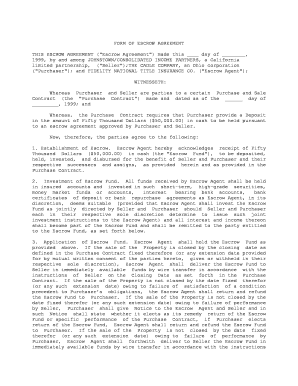
An Escrow Agreement for Repairs is a written contract that places funds with a neutral escrow holder to pay for specified repair work. Typically used in real estate transactions, construction closeouts, or post-inspection settlements, the agreement identifies the parties, describes required repairs, sets the escrow amount, defines inspection and approval steps, and establishes release conditions and timelines. The escrow holder follows the contract instructions to disburse funds only after agreed milestones or third-party verification. Clear terms reduce disputes and protect buyers, sellers, contractors, and lenders.

Why an Escrow Agreement for Repairs Matters and Its Legal Foundations

Escrow agreements reduce closing delays, allocate repair responsibility, and protect funds until conditions are met. Legally, electronic execution of such agreements is enforceable under the ESIGN Act (15 U.S.C. ch. 96) and UETA where adopted; certain exceptions and state variations may apply, so specify governing law and comply with disclosure or notarization rules where required.

Why an Escrow Agreement for Repairs Matters and Its Legal Foundations

Who Typically Uses an Escrow Agreement for Repairs

Each party benefits from written release conditions, inspection requirements, and a clearly named escrow agent to avoid disputes.

  • Homebuyers and sellers handling post-inspection repairs, ensuring funds for contractors and timely completion.
  • Lenders and title companies protecting mortgage interests by controlling disbursement until repairs satisfy standards.
  • General contractors and subcontractors receiving assurance that agreed funds are available when work is approved.

Essential Parts of a Professional Escrow Agreement for Repairs

A complete agreement spells out the repair scope, funding amount and schedule, approval and inspection steps, release triggers, dispute resolution, and governing law. Draft these sections clearly to minimize ambiguity and speed resolution if issues arise.

Scope of Work

Describe specific repairs, standards, measurable outcomes, and any referenced specifications or exhibits that define acceptable completion.
Escrow Amount

State the precise dollar amount or formula for funds held, including any retainage and conditions for additional deposits.

Deposit Instructions

Identify who deposits funds, acceptable payment methods, and the deadline for initial funding to avoid default.

Inspection Criteria

Name the inspector or methodology, timing for inspection, and what constitutes approval for release of funds.

Release Conditions

List exact triggers for partial or full disbursement, required documentation, and any withholding for incomplete items.

Dispute Resolution

Specify mediation, arbitration, governing jurisdiction, and how disputed funds are held until final determination.

Required Information and Core Fields

Parties' Legal Names: Full legal names of all signatories
Escrow Agent: Name and contact of neutral holder
Property Description: Street address and legal description
Escrow Amount: Exact dollar amount held
Release Triggers: Clear, objective conditions
Effective Date: Document start date

Step-by-Step: How to Complete and Execute the Agreement

Follow these steps to prepare, fund, and close an escrow for repairs with clarity and legal effectiveness.

  • 01
    Draft Agreement: Describe repairs, amounts, inspection, release conditions.
  • 02
    Sign Parties: Obtain signatures and dates from all named parties.
  • 03
    Deposit Funds: Escrow holder receives funds per deposit instructions.
  • 04
    Inspect & Release: Inspector verifies completion; escrow disburses funds.

How to Customize and Complete the Agreement Online

Configure a digital workflow so fields, authentication, and notifications match your parties and compliance needs.

Field Configuration
Signer Authentication Email verification and optional SMS code for signer identity
Signature Fields Place signature, date, and initials fields where required
Conditional Fields Show release fields only after inspection checkbox is checked
Notifications Enable email alerts to parties and escrow agent

Where to File, Send, and Route the Completed Agreement

Routing depends on whether the escrow is private or tied to closing; follow the contract routing and any lender or title instructions.

  • Send to Escrow Agent: Deliver executed agreement to the named escrow holder
  • Provide to Lender: Send copy to lender if required for mortgage conditions
  • Share with Contractor: Give contractor the approved repair description
  • Record or File: File related lien releases or recorded documents as directed

Distribution and eSignature Considerations for Electronic Execution

Ensure the selected provider supports ESIGN/UETA compliance, retention capabilities, and any industry-specific requirements such as HIPAA BAA if applicable.

  • File Formats: Use PDF or DOCX for compatibility
  • Integrations: Supports storage systems and CRMs
  • Authentication: Email + optional SMS or KBA

Typical Timelines, Deadlines, and Processing Expectations

Timelines should be explicit in the agreement: specify funding deadlines, repair completion windows, inspection periods, and disbursement timing to avoid disputes.

Funding Deadline:

Require deposit within a stated number of days after signature

Repair Completion Window:

Set a clear period, commonly 30–90 days depending on scope

Inspection Period:

Allow a set timeframe after completion for verification

Disbursement Timing:

Release within specified business days after approval

Record Retention:

Keep executed agreement per retention rules

Key Milestones and Processing Stages

A clear milestone sequence reduces confusion; align milestones with dates and responsible parties for each step.

01

Agreement Execution

Parties sign and effective date is established

02

Deposit of Escrow

Escrow holder receives funds per instructions

03

Completion of Repairs

Contractor finishes work according to scope

04

Inspection and Release

Designated inspector approves, then funds are disbursed

Common Mistakes to Avoid When Preparing the Agreement

  • Vague repair descriptions that lead to disagreement over completion standards and subsequent litigation or delayed disbursements.
  • Failing to name a neutral escrow agent or provide clear deposit instructions, resulting in funds being held incorrectly or returned.
  • Omitting inspection criteria or who pays for inspection, causing disputes over whether work met contractual standards.
  • Not specifying dispute resolution process or governing law, which can escalate costs and prolong resolution.

Penalties and Risks of an Incorrect or Incomplete Agreement

Delayed Closing: May postpone transaction completion
Contractor Claims: Unclear payment triggers can prompt mechanic's liens
Escrow Misuse: Improper disbursement risks breach claims
Regulatory Fines: Industry violations if privacy rules ignored
Litigation Costs: Ambiguity increases dispute litigation
Reputational Harm: Unresolved repair disputes damage relationships

How This Agreement Differs from Similar Document Types

Compare common document variants to pick the right instrument for your transaction and to define fund control precisely.

Document Type Escrow Agreement for Repairs Repair Addendum Closing Holdback Lender Repair Escrow
Use Case hold funds for repairs modify contract terms withhold at closing lender-controlled escrow
Funds Held third-party escrow agent no escrow; contractual obligation seller-held funds held under lender instructions
Trigger for Release inspection-based release mutual agreement closing completion lender approval or inspection
Typical Parties buyer, seller, escrow agent buyer and seller only buyer and seller borrower and lender

eSignature Vendor Pricing and Compliance Snapshot

Vendor pricing, trial availability, and core capabilities vary. signNow is listed first for direct comparison; verify vendor plans for enterprise features and compliance add-ons.

signNow DocuSign Adobe Sign PandaDoc HelloSign
Starting Price $8/user/mo $15/user/mo $14/user/mo $19/user/mo $15/user/mo
Free Trial 7-day free trial Varies Varies Varies Varies
Bulk Send Yes Yes Yes Yes Varies
Audit Trail Yes Yes Yes Yes Yes
HIPAA Compliant Yes Yes Yes No No

Real-World Use Cases

These short examples show how parties use repair escrows in practice and the benefits of clear terms.

Martin Properties

A broker used a repair escrow to hold funds post-inspection while contractor work completed to compliance standards.

  • The inspection clause required third-party sign-off before disbursement.
  • The escrow avoided a closing delay and documented the repair outcome, protecting buyer, seller, and contractor interests per the closing instructions.

Optica Ventures LLC

A small investor agreed to hold repair funds with a title company pending roof replacement.

  • Funds released only after licensed inspector certification.
  • This arrangement limited post-closing disputes and ensured the investor did not assume repair risk without verification.

Frequently Asked Questions About Escrow Agreements for Repairs

Answers to common execution, enforceability, and procedural questions to help parties finalize repair escrow agreements correctly.


Need help? Contact support

be ready to get more
Join over 28 million airSlate SignNow users