Establishing secure connection…Loading editor…Preparing document…

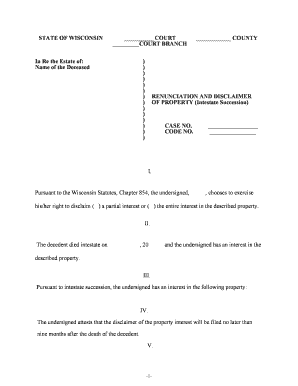
Wisconsin Intestate Succession

This template is fully customizable. Edit the text, fill out the fields, and send it for signature. Give it a try!
Wisconsin Intestate Succession

What Wisconsin Intestate Succession Covers

Wisconsin intestate succession refers to the statutory process that determines how a deceased person's estate is distributed when they die without a valid will. This guide explains the probate pathway, who inherits under Wisconsin law, typical assets affected, and the court procedures that appoint an administrator to collect assets, pay debts, and distribute property to heirs according to statutory shares rather than the decedent's wishes. The content focuses on practical steps, required information, key deadlines, and options for small estates or summary administration in Wisconsin probate courts.

Why Understanding Intestate Succession Matters in Wisconsin

Clear knowledge of Wisconsin intestacy rules prevents unintended distributions, reduces probate delays, and helps families plan for administrator appointments and creditor claims without a will.

Why Understanding Intestate Succession Matters in Wisconsin

Who Needs This Wisconsin Intestate Succession Guidance

Use this guidance if you are an executor, potential administrator, heir, or attorney involved in a Wisconsin probate for a decedent without a will.

  • Family members and heirs seeking clarity on statutory inheritance shares and required probate steps.
  • Probate attorneys and paralegals preparing petitions, inventories, and distribution plans under Wisconsin law.
  • Personal representatives needing a checklist for creditor notice, asset collection, and court filings.

The material is also useful for financial institutions, title officers, and public administrators who must follow the probate court's instructions for intestate estates.

Core Elements of a Wisconsin Intestate Succession Case

A typical intestate succession matter in Wisconsin centers on administration, heir identification, asset inventory, creditor handling, statutory distribution, and final accounting to close the estate.

Appointment

Court appoints an administrator (personal representative) to manage the estate and represent it in probate proceedings.
Inventory

Administrator must locate and inventory assets, including real property, bank accounts, retirement plans, and personal effects for court review.

Creditor Notice

Wisconsin procedure requires publication and direct notice to creditors so claims against the estate can be filed and adjudicated.

Statutory Shares

State law prescribes inheritance shares for surviving spouse, children, parents, and other relatives when no will exists.

Distribution

After debts and administration expenses, remaining assets are distributed to heirs per Wisconsin intestacy rules and court approval.

Final Accounting

A final accounting and petition for discharge conclude the administration and allow the administrator to be released by the court.

Step-by-Step: Starting Wisconsin Intestate Administration

Follow these sequential actions to open administration and begin property distribution under Wisconsin intestacy rules.

  • 01
    Locate Records: Gather death certificate, titles, account statements, and beneficiary designations.
  • 02
    Petition Court: File a petition for administration in the appropriate Wisconsin county probate court.
  • 03
    Appoint Administrator: Court names an administrator and sets bond and powers.
  • 04
    Notify Creditors: Publish notice and send direct notices where required to allow claims to be asserted.

Digital Workflow Settings for Probate Documents

Configure a secure, auditable workflow when collecting signatures and attachments electronically for probate filings and creditor notices.

Field Configuration
Signer Authentication Email with access code; use stronger ID verification for fiduciaries.
Signature Type Use typed or drawn e-signatures for administrative consents; retain audit trail.
Attachment Requirements Attach PDFs for death certificate, title, and account statements with clear filenames.
Retention Settings Enable secure storage and export to PDF/A for court-ready records.

Technical Considerations for eSubmission and Signing

Use a platform that preserves an auditable certificate of completion, supports secure attachments, and meets applicable compliance requirements.

  • File Formats: PDF, DOCX accepted
  • Integrations: Connect to cloud storage
  • Authentication: Email code or stronger

Ensure the chosen eSignature solution complies with ESIGN and UETA where applicable, supports long-term record retention, and can produce a tamper-evident audit trail for court filings and registry purposes.

Where to File and How Documents Move in Probate

Understand routing: petition filed at county probate court, notices sent to heirs and creditors, and orders issued by the judge drive administration actions.

  • Local Probate Court: File the administration petition and bond paperwork.
  • Publication: Publish creditor notice as required by county rules.
  • Direct Notices: Send mailed or electronic notices to known creditors and heirs.
  • Court Orders: Receive administrator appointment and distribution approvals.

Key Timing and Deadline Considerations

Timelines vary by county and by the type of action; prompt filing and creditor notice reduce administrative delays and exposure to penalties.

Petition Filing:

File as soon as practical after death to enable asset management.

Creditor Claims:

Observe county publication windows and statutory claim periods for Wisconsin estates.

Tax Filings:

Federal and state tax returns follow IRS and state deadlines; retain records for audits.

Inventory Deadline:

Provide court-ordered inventory within the timeline set by the probate judge.

Final Accounting:

Submit accounting and petition for discharge when distributions complete.

Common Mistakes to Avoid in Wisconsin Intestate Matters

  • Failing to identify and locate all heirs, which can later reopen distributions and cause court-ordered reallocation.
  • Missing creditor notice requirements or publication deadlines, exposing the administrator to liability for unpaid claims.
  • Not verifying beneficiary designations on nonprobate assets; these can override intestate distributions if valid.
  • Using inconsistent names or dates in filings, creating confusion in title transfers and bank releases.

Practical Risks and Consequences of Errors

Distribution Errors: May require court correction
Personal Liability: Administrator may face accounting claims
Creditor Claims: Unpaid debts can reduce heir shares
Tax Penalties: Late returns may trigger IRC penalties
Title Delays: Property transfers can be postponed
Estate Reopening: New claims can reopen closed estates

Security and Compliance Essentials for Probate Documents

In-Transit Encryption: TLS 1.2/1.3
At-Rest Encryption: AES-256
Audit Standards: SOC 2 Type II
Healthcare Compliance: HIPAA (BAA required)
FDA Records: 21 CFR Part 11 support
eSignature Law: ESIGN and UETA compliant

eSignature Vendor Comparison for Probate Document Workflows

This comparison highlights common feature and pricing differences among major eSignature vendors. signNow is listed first per platform sourcing guidelines.

signNow DocuSign Adobe Sign PandaDoc HelloSign
Starting Price $8/user/mo $15/user/mo $14/user/mo $19/user/mo $15/user/mo
Free Trial 7-day trial Varies Varies Varies Varies
Bulk Send Yes Yes Yes Yes No
Audit Trail Yes Yes Yes Yes Yes
HIPAA Compliant Yes Yes Yes No No

Frequently Asked Questions About Wisconsin Intestate Succession

Answers address common concerns about who inherits, how administration proceeds, evidence requirements, and limits on electronic signatures for testamentary documents.


Need help? Contact support

be ready to get more
Join over 28 million airSlate SignNow users