Establishing secure connection…Loading editor…Preparing document…

Landlord Tenant Notice

This template is fully customizable. Edit the text, fill out the fields, and send it for signature. Give it a try!
Landlord Tenant Notice

What the Landlord Tenant Notice Is and When it’s Used

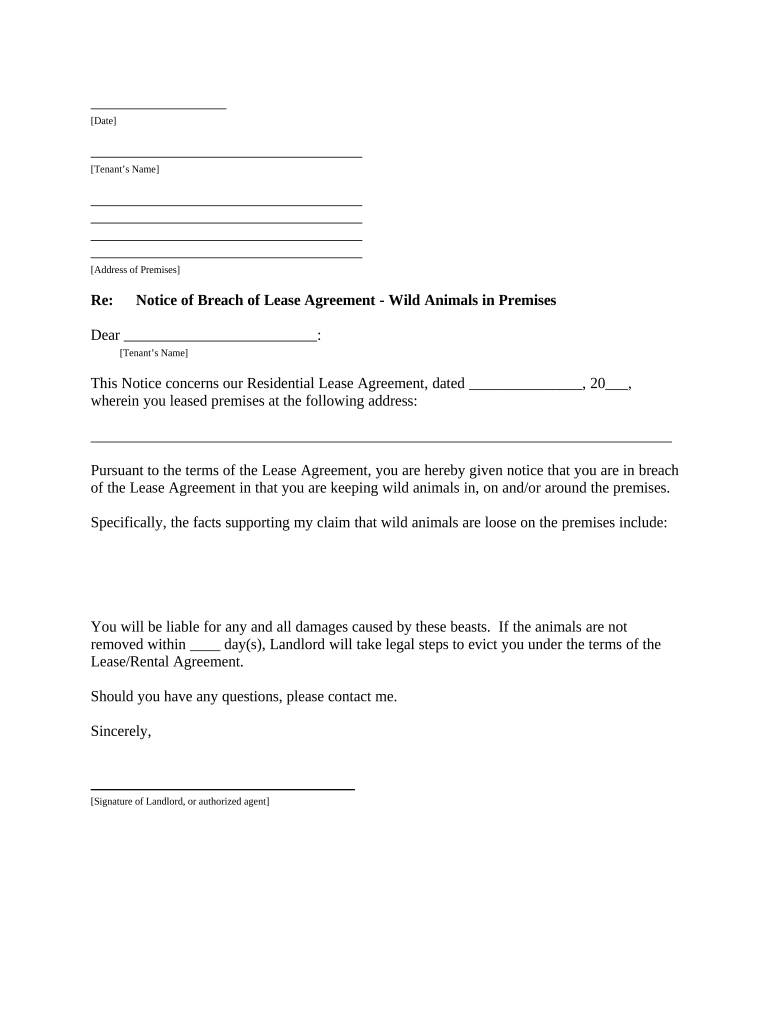
A Landlord Tenant Notice is a written communication a landlord or property manager delivers to a tenant to assert rights, request performance, or start a legal timeline. Common types include pay-or-quit, cure or quit, notice to vacate, notice of entry, and termination for breach. These notices establish required corrective actions and statutory timeframes and often serve as the foundation for later filings if the tenant does not comply. Delivery requirements and acceptable content vary by state; electronic delivery is permitted where ESIGN and state law allow.

Why a Clear Landlord Tenant Notice Matters

A properly drafted notice creates a clear record of the issue, starts statutory timelines, and reduces disputes by setting expectations. It protects the landlord’s legal options while giving the tenant a defined opportunity to cure or respond.

Why a Clear Landlord Tenant Notice Matters

Who Typically Prepares and Receives These Notices

Landlords, property managers, attorneys, and onsite staff commonly prepare notices; tenants and tenant representatives are the usual recipients.

  • Independent landlords and small portfolio owners who handle leasing, rent collection, and informal dispute resolution.
  • Property management companies that operate multiple units and need standardized, documented notice procedures.
  • Housing attorneys and court filing clerks who prepare notices when legal escalation is anticipated.

Essential Elements of a Professional Landlord Tenant Notice

A complete notice is concise and explicit. Include identity, property, factual basis, required action, deadline, and signature to meet legal and practical needs.

Tenant ID

Full tenant name and any co-tenant names exactly as on lease to avoid misidentification and service challenges.
Property

Full rental address including unit number and ZIP code so there is no ambiguity about the premises referenced.

Grounds

Clear factual statement of the reason for notice (nonpayment, violation, holdover) with dates and citation to lease clause.

Required Action

Describe what the tenant must do (pay, cure, vacate) and the specific amount or corrective steps required.

Deadline

Provide an explicit cure or vacate date and time; link the deadline to the applicable statutory period when possible.

Signature

Signed and dated by an authorized landlord representative; include printed name, title, and contact information.

Step-by-Step: Completing a Landlord Tenant Notice

Follow these steps in order to create a legally effective notice and preserve proof of delivery and content.

  • 01
    Identify the basis: Confirm lease clause or statutory ground for the notice and collect supporting facts.
  • 02
    Choose template: Select a jurisdiction-appropriate form that matches the notice type.
  • 03
    Fill fields: Enter tenant, property, amount, required action, and deadline carefully.
  • 04
    Deliver and record: Serve via permitted method and keep proof of delivery and signed copy.

How to Configure an Online Notice Workflow

Set up an online signing and delivery workflow to ensure consistency, proof of service, and auditability across notices.

Field Configuration
Template selection Choose a notice template per state and notice type.
Signer roles Assign landlord, property manager, and optional witness roles.
Authentication Require email or SMS code authentication for recipients.
Delivery method Select email, certified mail, or RON-enabled notarization as appropriate.

Delivery and eSubmission: Platform Capabilities to Consider

Choose a platform that supports document formats, signer authentication, and a complete audit trail to document service.

  • File formats: PDF, DOCX supported
  • Authentication: Email, SMS code, or KBA
  • Audit trail: Timestamps and IP logs

Typical Process for Creating and Serving a Notice

A consistent process reduces legal risk: draft, authorize, serve, and document. The steps below reflect a common operational flow.

  • Draft: Prepare notice content referencing lease and facts.
  • Authorize: Have landlord or manager sign and date the notice.
  • Serve: Deliver by permitted method and obtain proof of service.
  • Record: Store signed notice with delivery evidence in records.

Key Timing Considerations and Typical Deadlines

Deadlines vary by notice type and state statute. Confirm local rules before issuing a notice to ensure the timeline triggers correctly for enforcement.

Pay-or-quit notice period:

Often 3–5 days for nonpayment; varies by jurisdiction.

Cure-or-quit notice period:

Commonly 7–30 days depending on the lease and local law.

Termination / unconditional notice:

May be immediate or statutory period depending on the breach.

Notice of entry:

Typically 24–48 hours’ advance notice is required in many leases or statutes.

Statutory filing deadlines:

If eviction follows, court filing windows are governed by state procedural rules.

Common Preparation Errors to Avoid

  • Using an incorrect notice type or statutory period which can render the notice ineffective and cause dismissal of subsequent filings.
  • Omitting essential details such as the exact cure amount, deadline, or unit number, creating ambiguity about obligations and property identification.
  • Serving notice by an unsupported method for the jurisdiction (for example, relying on email where law requires personal or certified mail).
  • Failing to retain proof of delivery or the signed notice, which undermines enforcement and court filings.

Consequences of Incorrect or Defective Notices

Lost remedies: Delay or prevent eviction
Court sanctions: Possible case dismissal or sanctions
Financial exposure: Tenant damages or rent offset claims
Statutory noncompliance: Missed statutory timelines
Evidence gaps: Unable to prove proper service
Reputational risk: Tenant complaints or regulatory scrutiny

Comparing eSignature Vendor Pricing and Capabilities for Serving Notices

A platform that supports secure signing, audit trails, and acceptable authentication can simplify notice delivery. The table below compares starter pricing and select features across common vendors.

signNow DocuSign Adobe Sign PandaDoc HelloSign
Starting Price $8/user/mo $15/user/mo $14/user/mo $19/user/mo $15/user/mo
Free Trial 7-day free trial Yes, free trial Yes, free trial Yes, free trial Yes, free trial
Bulk Send Yes Yes Yes Yes No
Audit Trail Yes Yes Yes Yes Yes
Envelope Cap No envelope cap 100 envelopes/user/year Varies by plan Varies by plan Varies by plan

Real-World Examples of Notice Workflows

These short examples illustrate how different organizations manage notices and signatures in practice.

Martin Properties

Martin Properties moved notices online to reduce processing times and ensure consistency.

  • They used templates and audit trails to document each step.
  • The company reports improved compliance with local timelines and easier evidence collection when matters progressed to court.

Fertility Centers of Illinois

A healthcare provider standardized tenant and vendor notices to align with privacy controls.

  • Signatures and storage were integrated with compliance workflows.
  • The result was a defensible records trail and simplified retention aligned with HIPAA and internal policies.

Required Information to Include on the Notice

Tenant Name: Full legal name
Premises: Complete address and unit
Notice Type: Pay, cure, vacate, etc.
Amount: Exact monetary amount
Deadline: Date in MM/DD/YYYY
Signature: Printed and signed name

Practical Tips for Accurate and Efficient Notices

Adopt consistent drafting, approval, and recordkeeping practices to reduce defects and speed enforcement when necessary.

Use standardized templates
Maintain jurisdiction-specific templates reviewed by counsel to ensure correct statutory language and avoid common drafting errors.
Document delivery
Always retain proof of service such as certified mail receipts, signed receipts, or electronic audit logs showing delivery time and recipient.
Automate recurring tasks
Use automated reminders, conditional fields, and bulk send for large portfolios to reduce manual entry errors and improve timeliness.
Preserve evidence
Store signed notices, attachments, and delivery logs together and keep them accessible for the full retention period in case of disputes.

Frequently Asked Questions About Landlord Tenant Notices

Answers to common operational and legal questions about drafting, serving, and preserving notices in landlord-tenant relationships.


Need help? Contact support

be ready to get more
Join over 28 million airSlate SignNow users