Establishing secure connection…Loading editor…Preparing document…

Letter of Request

This template is fully customizable. Edit the text, fill out the fields, and send it for signature. Give it a try!
Letter of Request

What a Letter of Request Is and When it’s Used

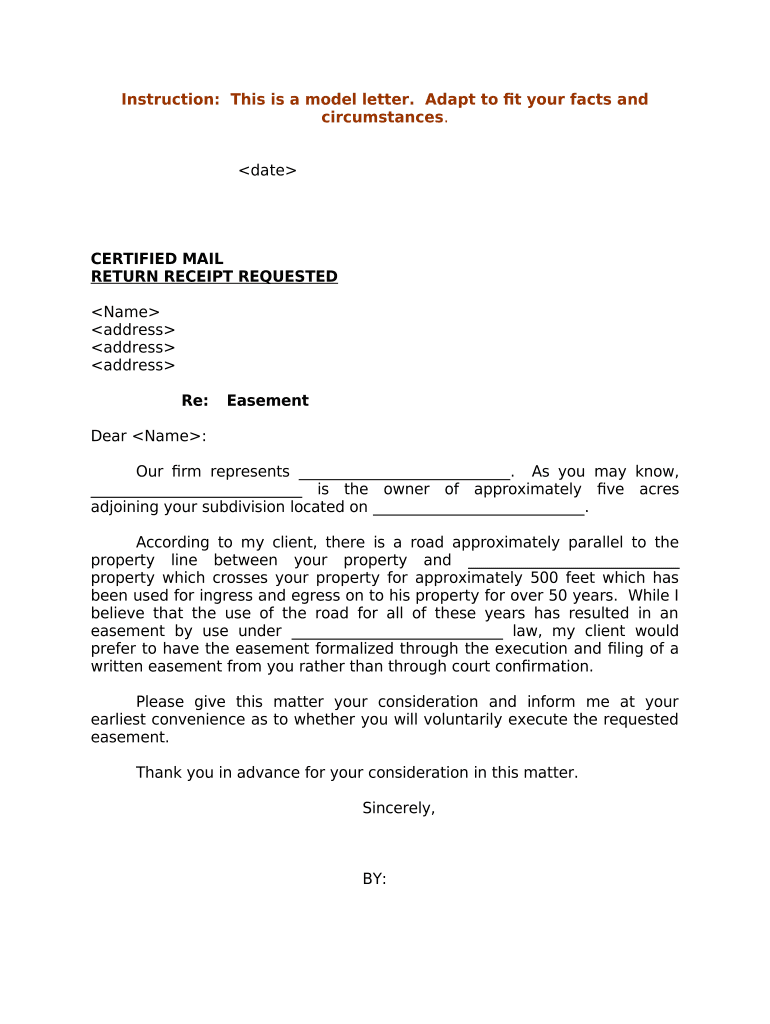
A Letter of Request is a formal written communication asking an organization, agency, or individual to provide documents, information, action, or confirmation. It may be used by businesses, attorneys, government offices, educational institutions, and individuals for records requests, verification of facts, production of supporting documents, or permission to proceed. The letter typically states the specific items requested, the legal or business reason for the request, a deadline for response, and contact details for follow-up. When signed electronically, the letter may be governed by ESIGN (15 U.S.C. §7001) or state UETA law.

Why a Clear Letter of Request Matters

A precise Letter of Request reduces disputes, speeds responses, and creates a record for compliance or audit purposes. Well-structured requests help recipients identify scope and act promptly while giving senders a documented trail of outreach and follow-up requirements.

Why a Clear Letter of Request Matters

Who Typically Prepares and Receives These Letters

Several roles use Letters of Request depending on purpose: legal teams, HR, procurement, registrars, and compliance officers commonly prepare them.

  • Legal and compliance teams requesting contractual records or evidence for litigation or regulatory review.
  • Human resources and payroll teams seeking employment records, benefits confirmations, or I-9 related documentation.
  • Procurement and finance departments requesting invoices, contracts, or supplier confirmations for audit or payment.

Recipients vary by request: counterparties, government agencies, service providers, or third-party custodians. Clarity about roles reduces follow-up and rejects.

Core Components Every Letter of Request Should Include

A professional Letter of Request uses a consistent structure so recipients can respond without confusion. The following elements support enforceability, tracking, and timely fulfillment.

Requester ID

Full legal name, organization, position, and contact info to allow verification and follow-up.
Recipient ID

Name and role of the person or office being asked to produce the records or take action.

Scope of Request

A precise list of documents or data sought with date ranges, file types, and identification details.

Purpose

Short statement of why the information is requested, e.g., audit, litigation, benefits verification.

Deadline

Clear date in MM/DD/YYYY format for response and any staged deadlines for partial production.

Delivery Instructions

Acceptable formats, secure transfer methods, and recipient email or portal details for submissions.

Step-by-Step: Drafting and Sending a Letter of Request

Follow these sequential steps to prepare a complete, auditable Letter of Request.

  • 01
    Draft the Request: Describe items, purpose, and deadlines clearly.
  • 02
    Attach Supporting Info: Include reference numbers, authorizations, or legal basis.
  • 03
    Choose Delivery Method: Select secure email, certified mail, or eSubmission portal.
  • 04
    Record and Track: Maintain a copy and track responses with timestamps.

Customizing and Completing the Letter Online

Configure your digital workflow so the request is routed, authenticated, and archived consistently.

Field Configuration
Signature Field Require signer name and date; enable e-sign audit trail
Authentication Email link or SMS code; choose KBA for higher assurance
Attachments Allow PDF, DOCX with file size limits
Archival Auto-save completed record to secure storage

How to Share and Submit the Letter Securely

Select distribution channels that match the sensitivity of the material and the recipient's capabilities.

  • Email Delivery: Use encrypted email or secure attachments
  • eSubmission Portal: Upload to a secure portal or cloud storage
  • Certified Mail: Use for formal service or chain-of-custody proof

Platforms should support audit trails, role-based access, and common file formats (PDF, DOCX). Integrations with systems like Salesforce, NetSuite, or Google Workspace simplify routing and recordkeeping.

Typical Timelines and What to Expect

Response timing varies by recipient and legal context; set realistic deadlines and allow for extensions by agreement.

Initial Acknowledgement:

1–3 business days typical

Standard Response Time:

10–30 calendar days common

Expedited Requests:

3–7 business days when justified

Extensions:

Agree in writing if more time is needed

Failure to Respond:

May lead to formal notices or legal remedies

Common Risks and Consequences of Errors

Incomplete Scope: Causes delays and scope disputes
Wrong Recipient: Privacy violation risks
Missing Signature: May invalidate the request
Missed Deadline: Triggers escalation or penalties
Sensitive Data Leak: Regulatory fines possible
Invalid Authorization: Production may be refused

Required Information and Security Considerations

Signer Identity: Name as on ID
Contact Details: Phone and secure email
Document List: Itemized, dated
Confidentiality: Mark sensitive items
Transfer Method: Encrypted channel
Audit Trail: Timestamp and IP logged

How a Letter of Request Differs from a Subpoena

Compare intent, legal force, and typical response requirements between informal requests and judicial compulsion.

Document Type Letter of Request Subpoena
Purpose voluntary production court-ordered production
Legal Force no compulsory power enforceable by court
Typical Issuer private parties or agencies court or grand jury
Response Time negotiated short, court-prescribed

Comparing eSignature Vendors for Letters of Request

Electronic signing and secure distribution can reduce processing time. Compare common vendor features and entry prices to choose a fit for volume and compliance needs.

signNow DocuSign Adobe Sign PandaDoc HelloSign
Starting Price $8/user/mo $15/user/mo $14/user/mo $19/user/mo $15/user/mo
Free Trial 7-day trial Varies Varies Varies Varies
Bulk Send Yes Yes Yes Yes No
Audit Trail Yes Yes Yes Yes Yes
HIPAA Compliant Yes Yes Yes No No

Key Milestones from Request to Completion

Track milestones to ensure timely follow-up and create a defensible record of attempts and responses.

01

Draft Complete

Prepare request text, scope, and attachments

02

Internal Review

Legal or compliance reviews authorization and scope

03

Dispatch

Send via chosen secure channel and log delivery

04

Receipt & Fulfillment

Recipient acknowledges and provides records or status

Practical Tips for Accurate and Efficient Completion

Use tested templates, clear scope language, and reliable delivery to reduce disputes and expedite responses.

Use a Standard Template
A template ensures key fields are present, reduces drafting errors, and preserves consistent language for legal and audit review across requests.
Specify Formats and Identifiers
Request specific file formats, document titles, and date ranges to avoid iterative back-and-forth and reduce partial productions.
Document Consent for E-Signatures
When e-signing, include a consent statement for electronic records and confirm the chosen authentication method meets your evidentiary needs.
Preserve an Audit Trail
Log timestamps, delivery receipts, signer authentication details, and correspondence to support compliance and dispute resolution.

Where to File or Send Completed Responses

Decide on a delivery target that supports security and traceability and communicate it clearly in the request.

  • Secure Email: Use encrypted attachments to recipient's authorized address
  • Portal Upload: Provide portal link and upload credentials
  • Certified Mail: Use for formal chain-of-custody proof
  • Physical Delivery: Deliver printed copies with signed receipt if required

Real-World Example Scenarios

Illustrative scenarios show how letters of request are used across common needs and what good outcomes look like.

Case Study 1

A procurement team requests vendor invoices with PO numbers to reconcile payments.

  • The vendor acknowledges within two business days.
  • With specific identifiers and a secure upload link, reconciliation completed in under one week and the audit trail preserved for internal review.

Case Study 2

An HR team requests hire documentation to verify employment for benefits.

  • The employee portal provides documents after authentication.
  • Stating required documents and a firm deadline prevented repeated follow-ups and enabled timely benefits processing.

FAQs — Common Questions About Letters of Request

Answers to frequent questions covering legality, electronic signatures, notarization, revocation, and privacy concerns.


Need help? Contact support

be ready to get more
Join over 28 million airSlate SignNow users