Establishing secure connection…Loading editor…Preparing document…

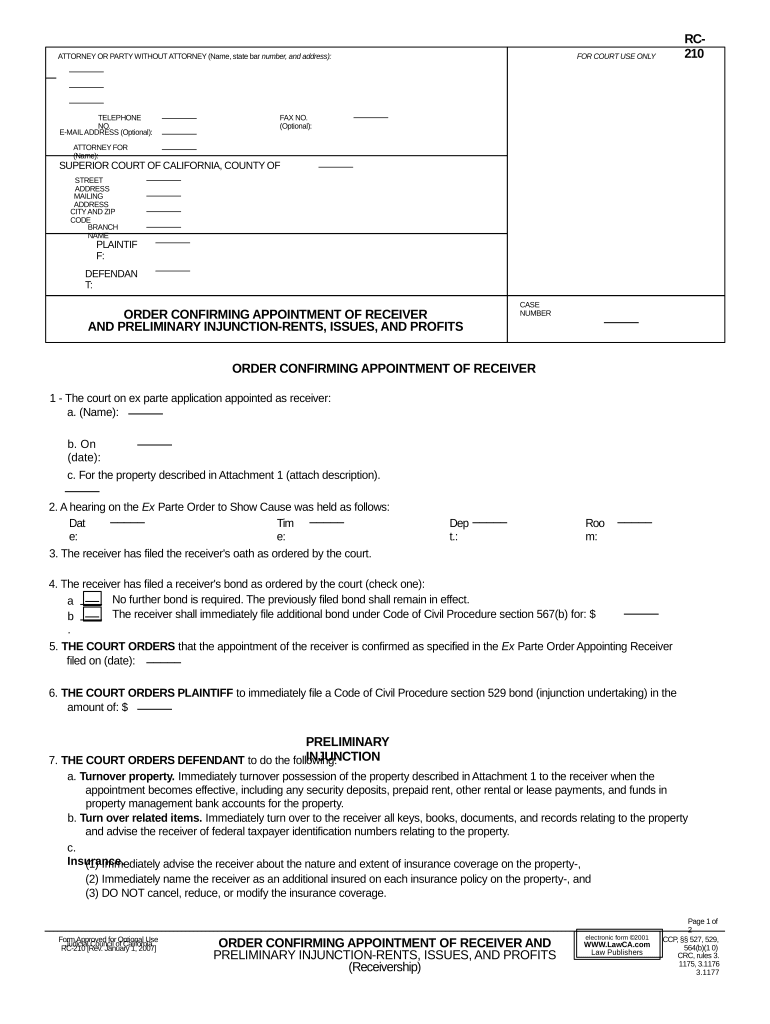
Order Injunction Form

This template is fully customizable. Edit the text, fill out the fields, and send it for signature. Give it a try!
Order Injunction Form

What the Order Injunction Form Is and when it’s used

An Order Injunction Form is a court-focused document used to request a court order that restrains or compels action pending further adjudication. It frames the requested relief, identifies parties, summarizes facts and harm, and attaches supporting affidavits and exhibits. Courts use the form to evaluate emergency measures such as temporary restraining orders, preliminary injunctions, or permanent injunctions; accuracy, clear factual support, and proper service are essential because the document starts formal litigation steps and can trigger immediate court supervision.

Why an accurate Order Injunction Form matters

A properly prepared form preserves the status quo, prevents irreparable harm, and documents legal grounds for emergency relief. Clear facts and proper attachments increase the chance of an expedited hearing and reduce procedural objections that can delay or defeat the request.

Why an accurate Order Injunction Form matters

Who typically prepares and files this form

Most filings are prepared by attorneys, in-house counsel, or self-represented litigants seeking urgent relief.

  • Plaintiff or counsel: Prepares facts, affidavits, and proposed order for the court; ensures service and procedural compliance.
  • Defendant or counsel: Reviews opposing filings and prepares responses, emergency motions, or evidentiary objections as needed.
  • Court staff / clerk: Accepts filings, records the case number, and schedules hearings according to local rules and emergency procedures.

Step-by-step: filling the Order Injunction Form

Follow a clear sequence to prepare, verify, and file the form to avoid procedural rejection or delay.

  • 01
    Prepare Petition: Draft relief sought, legal basis, and concise factual summary.
  • 02
    Attach Evidence: Include affidavits, exhibits, declarations, and any supporting documents.
  • 03
    Verify Parties: Confirm correct party names, counsel contacts, and service addresses.
  • 04
    File & Serve: File with the clerk and serve opposing parties per local rules.

How to customize the form for online submission

Configure e-sign and routing settings to match court or opposing counsel requirements before sending the form for signature and filing.

Field Configuration
Signature Method Electronic signature with audit trail and date/time stamp
Authentication Email + SMS code or ID verification for high-assurance signers
Notarization Enable RON session if state and court accept remote notarization
Routing Order Set signers and reviewers in the required sequential order

Digital submission and evidence workflow

A standard eSubmission workflow captures signatures, audit logs, and attachments to preserve evidentiary integrity for court review.

  • Upload: Upload the form and attach exhibits in PDF or DOCX format.
  • Place Fields: Add signature, date, and initial fields where required.
  • Send to Signers: Distribute via secure email or signing link with authentication.
  • Capture Audit Trail: Store timestamps, IP addresses, and verification records with the signed file.

Technical requirements for electronic filing and signatures

Confirm court local rules and clerk requirements for acceptable file types, signature methods, and notarization.

  • File Formats: PDF, PDF/A, DOCX are commonly accepted.
  • Authentication: Email, SMS, or ID verification options available.
  • Integrations: Supports Salesforce, NetSuite, Google Workspace integrations.

Timing considerations and common filing deadlines

Court timeframes for emergency relief vary; check local emergency procedures and standing orders before filing to align hearing requests and service.

Temporary Restraining Order:

Emergency applications may be presented ex parte; many courts consider them within 24–72 hours.

Preliminary Injunction Hearing:

Typically scheduled after initial briefing and may occur days to weeks after filing depending on court calendar.

Service Deadlines:

Service on opposing parties must follow local rules; failure to serve can delay hearings.

Response Time:

Opposing party response windows depend on local rules and whether ex parte relief was granted.

Record Preservation:

Maintain original exhibits and audit logs immediately upon filing to preserve evidence integrity.

Key milestones from filing to final order

A typical case moves through drafting, emergency relief, hearing, and a final decision; clear milestones help manage evidence and deadlines.

01

Draft and Verify

Assemble pleadings, affidavits, and exhibits; confirm factual support.

02

File Emergency Motion

Submit the injunction form with proposed order to the clerk for docketing.

03

Serve Opponents

Effect timely service to enable adversary response and hearing scheduling.

04

Court Ruling

Judge issues TRO, denies the motion, or sets a preliminary injunction hearing.

Common pitfalls when preparing an Order Injunction Form

  • Insufficient evidence: Failing to attach sworn affidavits or key exhibits undermines emergency relief.
  • Vague relief: Overbroad or unclear injunction language invites narrowing or denial by the court.
  • Incorrect parties: Naming the wrong legal entity or counsel causes service and jurisdictional problems.
  • Procedure errors: Missing local rule requirements for notice, form, or certificate of service leads to rejection.

Security and compliance features to preserve evidentiary weight

Encryption: TLS 1.2/1.3 in transit; AES-256 at rest
Audit Trail: Comprehensive timestamped signing history
Access Controls: Role-based permissions and SSO options
Regulatory Compliance: ESIGN, UETA compliance supported
HIPAA Capability: HIPAA-compliant workflows (BAA required)
21 CFR Support: 21 CFR Part 11 compatibility available

Legal risks and consequences of errors

Sanctions: Court may impose fines or cost-shifting
Dismissal: Improper form or service can result in dismissal
Contempt: Violating an injunction can trigger contempt penalties
Perjury Risk: False affidavits risk criminal or civil sanctions
Delay: Procedural defects can significantly delay relief
Attorney Fees: Prevailing party may recover fees in some cases

How an Order Injunction differs from common emergency motions

Compare core attributes of an injunction filing with related emergency requests to select the correct procedural vehicle.

Criteria Order Injunction Temporary Restraining Order
Purpose longer-term relief immediate short-term restraint
Timing may follow hearing often ex parte emergency
Duration until final hearing or order narrow, short duration
Hearing Required usually yes often within days

eSignature vendor pricing and feature snapshot relevant to injunction filings

Compare starting prices and key features for electronic signing vendors commonly used for legal and court-bound documents; signNow is listed first per vendor-row convention.

signNow DocuSign Adobe Sign PandaDoc HelloSign
Starting Price $8/user/mo $15/user/mo $14/user/mo $19/user/mo $15/user/mo
Free Trial 7-day free trial, no credit card required Varies by vendor Varies by vendor Varies by vendor Varies by vendor
Bulk Send Yes (Business Premium) Yes Yes Yes No
Audit Trail Yes Yes Yes Yes Yes
HIPAA Compliant Yes Yes Yes No No

Real-world examples of e-signed legal documents in action

These examples show how firms used electronic workflows to prepare legal filings and manage signatures while preserving compliance and auditability.

Martin Properties

Tim Martin used online execution for urgent property paperwork

  • "I can process and execute all of these documents online with 100% compliance and built-in security."
  • The firm kept PDFs, audit logs, and notarizations together to meet court exhibit rules and shortened turnaround for emergency requests.

BIS

Dan Rotelli prioritized secure compliance and auditability

  • "We felt most comfortable with airSlate SignNow given their SOC 2 certification and strict focus on ESIGN and UETA act compliance."
  • The company combined signed affidavits and timestamped audit trails to support expedited judicial review during a contract dispute.

Typical signatories and who may authorize filings

Plaintiff Attorney

An attorney of record signs on behalf of the plaintiff when authorized by client. The signature certifies factual accuracy, service compliance, and adherence to professional rules.

Corporate Officer

An authorized company officer may sign affidavits or declarations; include title, authority statement, and corporate resolution when required for verification.

Practical tips to improve form accuracy and enforceability

Use consistent names, labeled exhibits, and a clear signature chain to reduce objections and ease the court’s review process.

Use precise language
Describe the restrained conduct in narrow, measurable terms to avoid overbreadth and to make enforcement practicable.
Attach sworn evidence
Include signed affidavits that establish personal knowledge; unsworn statements carry less weight and invite credibility challenges.
Follow local rules
Check electronic filing requirements, exhibit labeling standards, and proposed order formatting required by the local court.
Preserve audit logs
Keep signed PDFs with metadata and signer authentication records to support chain of custody and verification at hearing.

Frequently asked questions about the Order Injunction Form

Answers to common questions on validity, filing, signatures, and post-filing steps for users preparing an injunction request.


Need help? Contact support

be ready to get more
Join over 28 million airSlate SignNow users