Establishing secure connection…Loading editor…Preparing document…

Rescission Form

This template is fully customizable. Edit the text, fill out the fields, and send it for signature. Give it a try!
Rescission Form

What a Rescission Form Is and when it applies

A Rescission Form is a written notice used to cancel certain consumer credit transactions and restore parties to their prior positions. It is most commonly associated with the Truth in Lending Act (TILA) right of rescission for mortgage and home-equity credit transactions that create a security interest in the consumer's principal dwelling. The form identifies the transaction, states the consumer's intent to rescind, and provides the creditor with notice that the borrower seeks cancellation under federal or governing state law. Use of the form starts the legal timelines and triggers creditor obligations.

Why completing a clear Rescission Form matters

A properly completed Rescission Form establishes the consumer's intent, starts statutory deadlines, and creates a record required by regulators and courts. Clear, complete forms reduce processing delays, limit disputes over timing or transmission, and preserve consumer protections under federal law such as TILA (15 U.S.C. §1635).

Why completing a clear Rescission Form matters

Who commonly prepares and signs Rescission Forms

Typical participants who complete or receive a Rescission Form include consumers asserting their right, creditors processing the notice, and counsel or loan servicers coordinating next steps.

  • Consumers and borrowers asserting rescission rights in covered credit transactions, including refinances and home-equity loans.
  • Lenders, mortgage servicers, and closing agents who must acknowledge and process rescissions under applicable law.
  • Attorneys, housing counselors, or title agents who prepare, review, or deliver the rescission notice on behalf of a client.

Accurate role identification streamlines delivery and helps ensure legal deadlines are met; include contact details and the responsible party for follow-up.

Representative signers and preparers

Homeowner (Borrower)

A consumer completing a Rescission Form to cancel a covered loan transaction. Provide full legal name, property address, loan number, and a clear statement of intent; retained records are evidence for enforcement or dispute resolution.

Mortgage Officer

A loan officer or servicer representative who receives and logs rescission notices, verifies documentation, and coordinates required creditor actions such as returning funds or releasing security interests.

Essential information to include on a Rescission Form

Borrower name: Full legal name
Creditor name: Registered lending entity
Loan number: Loan or account identifier
Property address: Street, city, state, ZIP
Effective date: MM/DD/YYYY
Reason for rescission: Brief factual statement

Step-by-step: How to complete a Rescission Form

Follow a clear sequence to prepare, sign, and deliver the notice so statutory timelines and creditor obligations are triggered correctly.

  • 01
    1. Gather details: Collect loan number, closing date, and property address.
  • 02
    2. Fill form: Enter names, transaction date, and explicit rescission language.
  • 03
    3. Sign and date: Sign as borrower using MM/DD/YYYY date format.
  • 04
    4. Deliver proof: Send to creditor per contract or statute and keep proof.

Configuring the Rescission Form for digital workflows

Set up fields, authentication, and delivery rules so the form captures required data and preserves a compliant audit trail when submitted electronically.

Field Configuration
Required fields Mark borrower name, loan number, and signature required
Conditional logic Show additional fields when multiple borrowers exist
Authentication Use email + SMS or stronger options for attribution
Notifications Auto-notify creditor and copy loan servicer on submission

Where to send a completed Rescission Form

Identify the appropriate recipient and delivery method in the loan documents or statutory guidance; proper delivery starts the legal timeline.

  • Primary recipient: Send to the creditor listed on loan disclosures
  • Loan servicer: Also provide a copy to the servicing company
  • Delivery methods: Certified mail, overnight courier, or agreed eSubmission
  • Proof of delivery: Retain tracking number or electronic audit trail

Sharing and eSubmission options for the Rescission Form

Rescission Forms may be shared by paper, email with secure attachment, or through eSignature platforms that produce a verifiable audit trail.

  • File formats: PDF and DOCX are commonly accepted
  • Integrations: Connectors with CRM and document systems supported
  • Authentication: Use email+SMS or stronger verification

Choose a method that preserves time‑stamped evidence and meets any consumer disclosure requirements under federal law; retain copies per retention rules.

Key timelines and creditor response expectations

Federal law sets specific timing for rescission rights and creditor obligations; missing these periods affects the legal remedies available to the consumer.

Rescission window:

Three business days (TILA, 15 U.S.C. §1635)

Extended right:

Up to three years if disclosures not provided (15 U.S.C. §1635(f))

Creditor refunds:

Return funds within 20 days after rescission (15 U.S.C. §1635(b))

Effect timing:

Security interest is voided upon lawful rescission (15 U.S.C. §1635(b))

Processing expectation:

Electronic submissions often logged within 1–3 business days

Common mistakes to avoid when preparing a Rescission Form

  • Sending to the wrong entity or outdated creditor address, which can delay the statutory start date and create disputes over timeliness.
  • Missing or incorrect loan identifiers such as loan number or closing date, making it difficult for the creditor to match the notice to the file.
  • Failing to sign or date the notice in the required format, which can be interpreted as lack of intent to rescind in dispute resolution.
  • Not retaining proof of delivery or an electronic audit trail, eliminating critical evidence if the matter proceeds to enforcement or litigation.

Risks and legal consequences of an incorrect or late Rescission Form

Loss of rights: Missed rescission window may forfeit remedy
Statutory exposure: Creditor penalties or consumer litigation risk
Delayed refunds: Creditor noncompliance can delay fund return
Title issues: Unreleased security interest can impair title
Record disputes: Insufficient evidence complicates enforcement
Costs: Attorney and administrative expenses may increase

How a Rescission Form compares with related notices

Compare the Rescission Form to other cancellation or modification documents to understand scope and legal effect.

Criteria Rescission Form Loan Modification Notice
Applicability tila-covered consumer loans negotiated loan changes
Typical trigger borrower rescinds within statutory window parties agree to new terms
Effect on lien void security interest on valid rescission alters payment terms
Legal basis 15 u.s.c. §1635 contract and state law

eSignature vendor comparison for submitting Rescission Forms

Basic pricing and feature differences across common eSignature vendors; signNow appears first in the comparison per vendor data provided.

signNow DocuSign Adobe Sign PandaDoc HelloSign
Starting Price $8/user/mo $15/user/mo $14/user/mo $19/user/mo $15/user/mo
Free Trial 7-day free trial Varies by vendor Varies by vendor Varies by vendor Varies by vendor
Bulk Send Yes (Business Premium) Yes Yes Yes No
Audit Trail Yes Yes Yes Yes Yes
HIPAA Compliant Yes Yes Yes No No

Real-world examples of document processing and compliance

Cases show how online signing and audit trails reduce friction and preserve legal rights when rescission notices are used in practice.

Martin Properties

A small property manager needed faster rescission handling during refinance closures

  • Adopted online submission and verification
  • I can process and execute all of these documents online with 100% compliance and built-in security, enabling mobile and offline signing while maintaining records for audits.

BIS

An enterprise operations team required SOC-certified controls for high-volume notices

  • Integrated secure eSubmission with audit logs
  • We felt most comfortable given SOC 2 certification and a strict focus on ESIGN and UETA compliance, which simplified our review and acceptance processes.

Core components of a professional Rescission Form

A professional form balances clear legal language, full identifiers, and delivery instructions so all parties understand effect and next steps.

Document title

A clear title such as 'Notice of Rescission' to identify the purpose and avoid ambiguity during processing and recordkeeping.
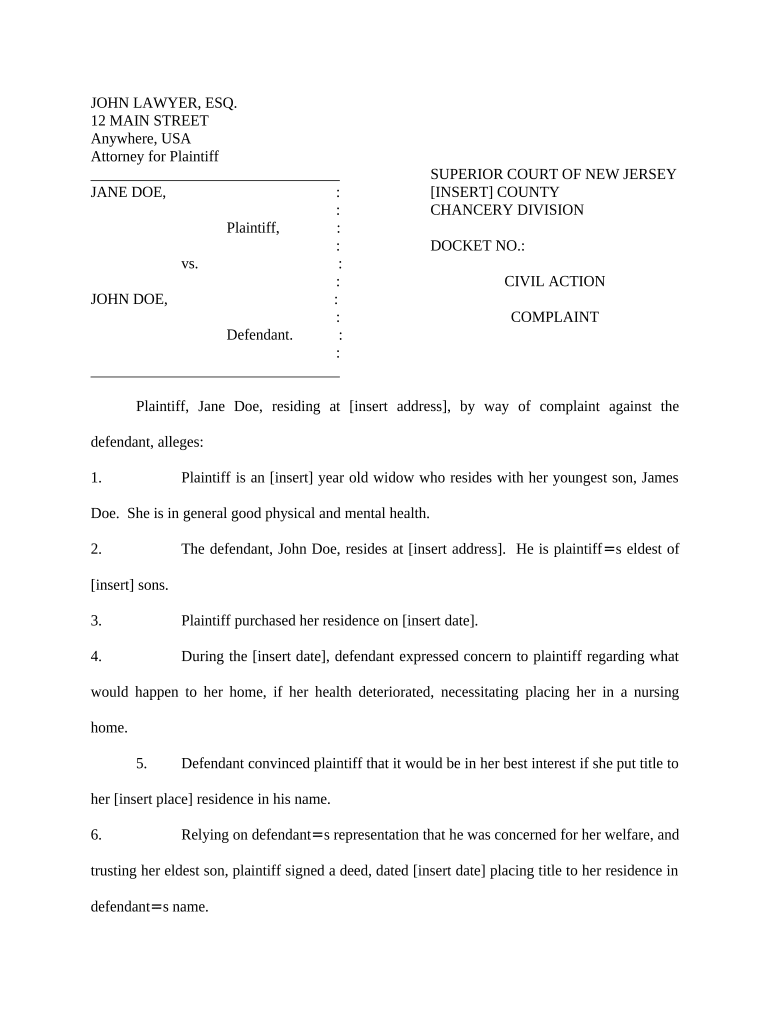
Parties identified

Full legal names and contact information for borrower(s) and creditor to ensure proper routing and attribution of the notice.

Transaction details

Loan number, closing date, property address, and other identifiers necessary for the creditor to locate the account promptly.

Statement of rescission

A direct declaration of intent to rescind with statutory reference where appropriate to clarify legal basis and effect.

Signature and date

Borrower signature(s) with date in MM/DD/YYYY format; include electronic signature metadata when used for proof.

Delivery instructions

Specify recipient, address, or electronic endpoint and request confirmation or return receipt for proof of delivery.

Supporting documents to include with a Rescission Form

Including relevant attachments helps creditors process rescission claims and reduces follow-up requests for clarification.

Closing disclosure

Attach the closing disclosure or Truth in Lending statement referenced in the transaction to show the consumer's basis for rescission.

Proof of identity

A copy of government-issued ID when required by creditor policy to verify signer identity; follow privacy controls.

Proof of delivery

Include certified mail receipt, courier tracking, or electronic audit certificate to document timely transmission.

Power of attorney

If an agent signs, include a valid POA showing authority to act for the borrower to avoid acceptance disputes.

Practical tips for accurate and efficient completion

Adopt consistent formatting, verification steps, and document controls to reduce processing delays and litigation risk.

Use standard date formats
Enter dates as MM/DD/YYYY throughout the form and attachments to avoid ambiguity; inconsistent dates can be used to contest timing.
Preserve audit trails
When submitting electronically, retain a time‑stamped audit trail including signer IP, timestamp, and authentication method to demonstrate attribution.
Confirm recipient details
Verify the creditor or servicer address in loan documents before sending; misaddressed notices may not trigger statutory obligations.
Keep copies
Retain signed originals and electronic backups for the recommended retention period to support any later enforcement or regulatory review.

Milestones and processing stages after submitting a Rescission Form

Track key milestones from submission through creditor action to ensure compliance with statutory duties and to document progress for dispute handling.

01

Submission

Borrower delivers the signed notice to the correct creditor address or verified electronic endpoint.

02

Acknowledgment

Creditor logs receipt and provides confirmation, starting any statutory response timing.

03

Creditor action

Creditor evaluates claim and arranges return of funds or steps to void the security interest.

04

Resolution

Funds returned, lien released, or matter escalated to dispute resolution if parties disagree.

Frequently asked questions about the Rescission Form

Answers to common concerns about validity, delivery, required content, and the effect of electronic signatures on rescission notices.


Need help? Contact support

be ready to get more
Join over 28 million airSlate SignNow users