Establishing secure connection…Loading editor…Preparing document…

Welcome Letter

This template is fully customizable. Edit the text, fill out the fields, and send it for signature. Give it a try!
Welcome Letter

What a Welcome Letter Is and When It’s Used

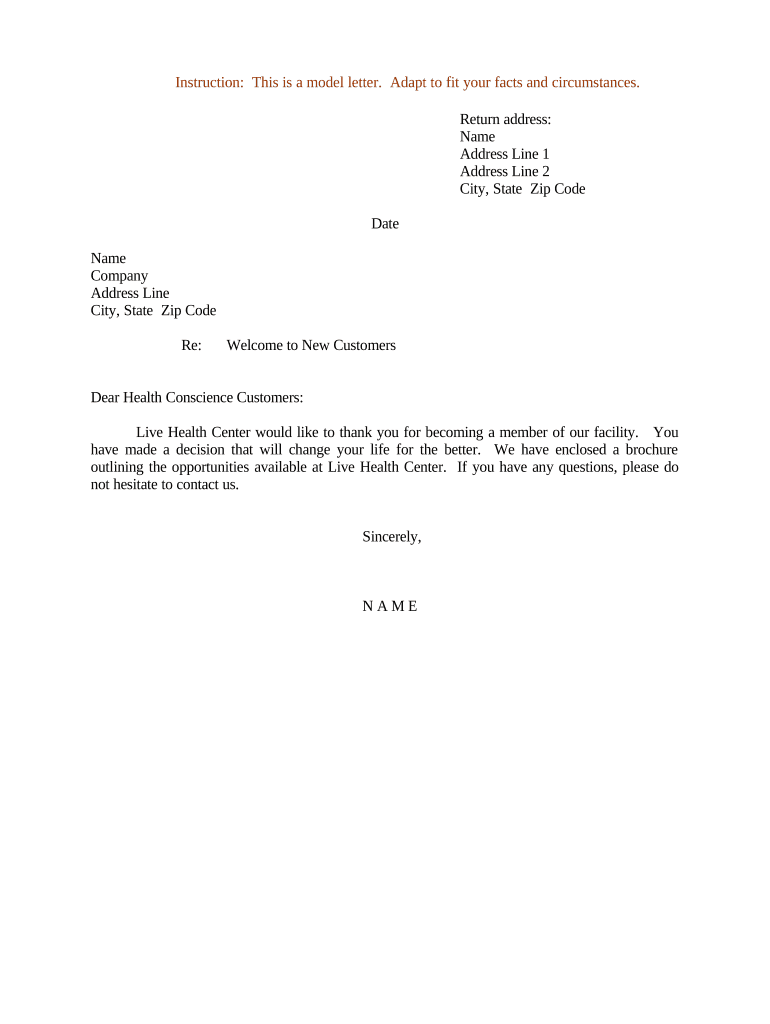
A Welcome Letter is a short, written communication sent to a new employee, tenant, client, or program participant to confirm onboarding details, set expectations, and provide next steps. It commonly lists contact points, effective start or move-in dates, required documents, orientation or check-in schedules, and any immediate actions the recipient must take. A clear Welcome Letter reduces confusion, documents the initial terms of engagement, and creates a single reference for administrative and compliance purposes across HR, real estate, education, and client services.

Why a Clear Welcome Letter Matters

A concise Welcome Letter establishes mutual expectations, documents the start of a relationship, and centralizes required actions and deadlines. It supports compliance and reduces follow-up inquiries by providing a single, reliable record that both parties can reference.

Why a Clear Welcome Letter Matters

Who Typically Sends and Receives a Welcome Letter

The recipient typically must acknowledge receipt, complete any listed forms, and return specified documents by the stated deadlines.

  • Human resources teams sending new hire orientation instructions and benefits enrollment details.
  • Property managers issuing move-in information, key pickup instructions, and utility setup guidance.
  • Program or school administrators providing enrollment steps, FERPA notices, and initial schedules.

Common Roles Involved

HR Manager

An HR Manager drafts and issues Welcome Letters to new hires, coordinates required forms (tax forms, I-9, benefits), and tracks acknowledgements to ensure legal and payroll readiness before the start date.

New Recipient

A new employee, tenant, or client receives the letter, reviews listed items, completes any required forms, and confirms understanding or next-steps by the deadlines to activate services or employment.

Step-by-Step: Preparing and Issuing a Welcome Letter

Follow these steps to prepare, send, and track a Welcome Letter so recipients have the information they need before the start date.

  • 01
    Assemble Details: Gather start date, location, required documents, and contact points.
  • 02
    Draft Letter: Write clear, factual instructions and list deadlines.
  • 03
    Attach Forms: Include fillable forms or links to documents the recipient must complete.
  • 04
    Send and Track: Deliver via preferred channel and confirm receipt or completion.

Typical Distribution and Acknowledgement Flow

A simple, auditable flow ensures the Welcome Letter is delivered and any required acknowledgements are captured for records.

  • Issue: Sender creates and sends the Welcome Letter to recipient.
  • Review: Recipient reads instructions and reviews attachments.
  • Complete: Recipient signs or returns required forms by stated deadlines.
  • Archive: Sender stores the executed letter and supporting documents for retention compliance.

How to Configure an Online Welcome Letter Workflow

Map fields and routing beforehand to avoid manual follow-ups and create a reproducible onboarding workflow.

Field Configuration
Recipient Name Auto-fill from HR system or enter manually.
Signature Add signature + date fields; enable eSignature options.
Attachments Attach fillable forms (PDF/DOCX) and required instructions.
Notification Set email reminders and completion notifications for sender and recipient.

Digital Delivery and Signature Considerations

Verify the chosen platform supports retention of a certificate of completion, secure storage (encryption at rest and transit), and any industry-specific compliance (for example, HIPAA BAA for healthcare).

  • File Formats: PDF, DOCX supported
  • Integrations: Connects with HR or CRM
  • Authentication: Email, SMS, or stronger

Essential Elements to Include in a Professional Welcome Letter

A concise Welcome Letter should combine practical information, compliance items, and clear next steps so recipients can act without contacting multiple departments.

Opening Summary

One short paragraph stating the purpose, the recipient's role or tenancy, and the effective date so the reader immediately understands the context.
Start Details

Exact start or move-in time, location, parking or entry instructions, and the name and contact details of the on-site or HR contact for day-one questions.

Required Documents

List each form to be returned with formats and deadlines (for example, I-9, W-4, direct deposit, insurance proof) and consequences for missed items.

Orientation Items

Include schedule for orientation, required training, and any pre-arrival tasks that must be completed before the effective date.

Policies Summary

Summarize key policies the recipient should review immediately, such as confidentiality, safety, or acceptable use rules, and where to find full policies.

Signature Details

State who must sign, acceptable signature methods (typed, drawn, e-signature), and the person responsible for filing and retaining the signed letter.

Required Information Often Collected

Full Name: Recipient legal name
Start Date: MM/DD/YYYY format
Contact Phone: Business or mobile number
Email Address: Primary business email
Document List: Forms to return
Signer Role: Who must sign

Common Preparation Pitfalls to Avoid

  • Using vague dates or times that require follow-up and create scheduling conflicts for the recipient.
  • Failing to attach or link required forms, which delays onboarding or move-in processes and increases administrative overhead.
  • Providing inconsistent contact information across documents, causing confusion about responsibility for next steps.
  • Omitting consumer-facing disclosures when required (for example, certain financial or health transactions), which can create legal risk.

Risks and Consequences of an Incorrect Welcome Letter

Misleading Terms: May trigger contract disputes
Missing Disclosures: Regulatory violations possible
HIPAA Exposure: Unauthorized PHI handling risk
FERPA Issues: Student privacy violations
Payroll Delays: Incorrect hire data delays pay
Recordkeeping Gaps: Audit or compliance exposure

Typical Timelines and Deadlines Included

Set clear deadlines in the Welcome Letter to drive timely completion and to preserve rights or eligibility where applicable.

Issue Date:

Date the letter is sent to the recipient; establishes the start of any response windows.

Acknowledgement Deadline:

When the recipient must confirm receipt and intention to proceed.

Document Return Due:

Final date to provide completed forms, often before or on the effective date.

Orientation Date:

Scheduled time for mandatory onboarding or move-in walkthrough.

Access Activation:

When systems, keys, or credentials become active following completion of requirements.

How Organizations Use a Welcome Letter in Practice

Real-world examples illustrate how Welcome Letters reduce onboarding friction and document initial terms for recordkeeping purposes.

Optica Ventures (Operations)

Optica prepared a concise Welcome Letter to confirm investor onboarding details and timelines.

  • The letter listed required account paperwork and contacts.
  • The clear instructions reduced follow-up emails and sped confirmation of new accounts, improving operational efficiency while preserving an auditable record.

Martin Properties (Real Estate)

A property manager issued a Welcome Letter that included move-in inspection forms and payment instructions.

  • The recipient completed required items before move-in.
  • The signed documents served as a baseline for condition disputes and helped avoid tenant-landlord misunderstandings during occupancy.

Frequently Asked Questions About Welcome Letters

Answers to common questions on format, signatures, electronic delivery, and recordkeeping for Welcome Letters.


Need help? Contact support

be ready to get more
Join over 28 million airSlate SignNow users