What is the get digital signature
A digital signature is a secure and legally recognized method of signing documents electronically. It provides a way to verify the authenticity and integrity of a document, ensuring that the signer's identity is confirmed and that the document has not been altered after signing. Digital signatures are widely used in various industries, including finance, legal, and healthcare, due to their efficiency and security.
How to use the get digital signature
Using a digital signature involves a few straightforward steps. First, you need to create or upload the document you wish to sign into the airSlate SignNow platform. Next, you can fill out any required fields within the document. Once the document is ready, you can request signatures from other parties or sign it yourself. After signing, the document can be securely shared and stored for future reference.
Steps to complete the get digital signature
To complete a digital signature, follow these steps:
- Log in to your airSlate SignNow account.
- Upload the document you want to sign.
- Fill in any necessary information, such as names or dates.
- Select the option to sign the document.
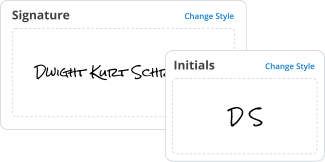
- Use your mouse or touchscreen to create your signature.
- Save the signed document, which can now be shared or stored securely.
Legal use of the get digital signature
Digital signatures are legally binding in the United States under the Electronic Signatures in Global and National Commerce (ESIGN) Act and the Uniform Electronic Transactions Act (UETA). These laws ensure that electronic signatures hold the same legal weight as traditional handwritten signatures, provided that all parties agree to use electronic means for signing. This legal recognition makes digital signatures a reliable option for businesses and individuals alike.
Security & Compliance Guidelines
When using digital signatures, it is essential to adhere to security and compliance guidelines. Ensure that the platform you use, such as airSlate SignNow, employs strong encryption methods to protect your documents. Additionally, verify that the service complies with relevant regulations, such as the General Data Protection Regulation (GDPR) and the Health Insurance Portability and Accountability Act (HIPAA), if applicable. Regular audits and user access controls can further enhance the security of your digital signature processes.
Documents You Can Sign
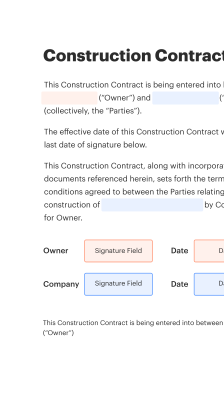
Digital signatures can be applied to a wide range of documents, including contracts, agreements, forms, and invoices. Common examples include employment contracts, non-disclosure agreements, and tax documents. The versatility of digital signatures allows businesses to streamline their workflows by reducing the need for physical paperwork, making it easier to manage and store important documents electronically.