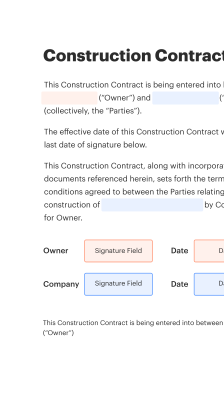
What is a digital signature?
A digital signature is a secure and legally recognized way to sign documents electronically. It uses cryptographic techniques to provide proof of the signer's identity and the integrity of the signed document. Digital signatures are commonly used in various industries, including finance, real estate, and legal fields, to streamline processes and reduce the reliance on paper-based documentation.
How to use a digital signature
To use a digital signature, you typically need to follow a straightforward process. First, upload the document you wish to sign to an electronic signature platform like airSlate SignNow. Next, you can fill out any required fields and add your signature electronically. After signing, you can send the document to other parties for their signatures, ensuring a smooth workflow. The platform will handle the storage and security of the signed document.
Steps to complete a digital signature
Completing a digital signature involves several key steps:
- Log in to your airSlate SignNow account or create one if you haven't already.
- Upload the document you need to sign.
- Fill in any necessary information, such as dates or names.
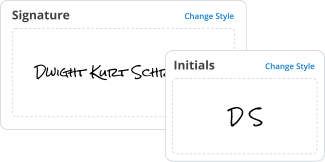
- Add your digital signature by selecting the appropriate option.
- Review the document to ensure accuracy.
- Send the document for signature to other parties, if needed.
- Save the signed document securely in your account.
Legal use of a digital signature
In the United States, digital signatures are legally binding under the Electronic Signatures in Global and National Commerce (ESIGN) Act and the Uniform Electronic Transactions Act (UETA). These laws establish that electronic signatures carry the same weight as traditional handwritten signatures, provided that all parties consent to use electronic methods. This legal recognition facilitates the use of digital signatures across various sectors.
Security & Compliance Guidelines
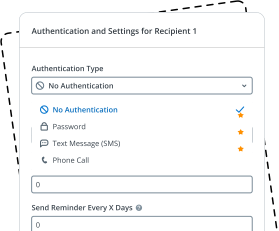
When using digital signatures, it is essential to adhere to security and compliance guidelines to protect sensitive information. Ensure that the electronic signature platform you choose employs strong encryption methods and complies with relevant regulations. Regularly update your passwords and use two-factor authentication when available. This helps safeguard your documents and maintain the integrity of the signing process.
Documents you can sign
Digital signatures can be applied to a wide range of documents, including:
- Contracts
- Agreements
- Forms
- Invoices
- Legal documents
- Employment paperwork
This versatility allows businesses and individuals to streamline their workflows and reduce the time spent on document processing.