











We spread the word about digital transformation
signNow empowers users across every industry to embrace seamless and error-free eSignature workflows for better business outcomes.






Free 7-day trial. Choose the plan you need and try it risk-free.

Honest pricing for full-featured plans. airSlate SignNow offers subscription plans with no overages or hidden fees at renewal.

Enterprise-grade security. airSlate SignNow helps you comply with global security standards.
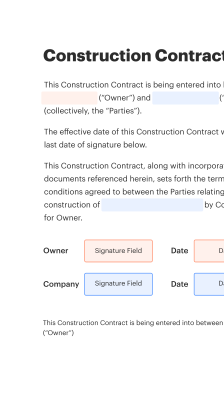

Place electronic signatures and send records in moments instead of hours. Our eSignatures have the identical legal power as wet-ink ones.

Take advantage of the signature tips function and improve your files without any concerns about the safety of your information.

Modify existing forms and save changes, and airSlate SignNow will immediately inform your entire crew that there are updated templates.

Place fillable areas, create or collect electronic signatures, get supplementary documents and payments, and discover different ways to boost your workflows.

Use airSlate SignNow API, the easiest way to create and collect eSignatures. Do so within your CRM systems, on your website, or even in specific apps.

Generate a public link for your template and collect signatures while not having to directly send your document to specific consumer email addresses.
Guía rápida: qué constituye una firma
La firma electrónica de airSlate SignNow es una solución altamente efectiva para simplificar la recopilación de datos, la aprobación de contratos, la colaboración interna y externa, y agilizar las prácticas de toma de decisiones. Firmar documentos electrónicamente es sencillo para equipos, socios y clientes, y ayuda a su negocio a reducir el desperdicio de papel y presupuestos innecesarios.
Complete los siguientes pasos que se enumeran a continuación y descubra qué constituye una firma:
- Inicie su navegador y acceda a signnow.com.
- Suscríbase para una prueba gratuita o inicie sesión utilizando su correo electrónico o credenciales de Google/Facebook.
- Haga clic en Avatar de Usuario -> Mi Cuenta en la esquina superior derecha de la página.
- Personalice su Perfil de Usuario agregando datos personales y cambiando configuraciones.
- Haga y gestione su(s) Firma Predeterminada(s).
- Regrese a la página del panel de control.
- Desplace el cursor sobre el botón Subir y Crear y elija la opción necesaria.
- Haga clic en la clave Preparar y Enviar junto al nombre del documento.
- Ingrese el nombre y la dirección de correo electrónico de todos los firmantes en la pantalla emergente que se abre.
- Utilice la opción Comenzar a agregar campos para proceder a modificar el documento y firmarlo usted mismo.
- Haga clic en GUARDAR Y INVITAR cuando haya terminado.
- Continúe ajustando su flujo de trabajo de eSignature utilizando funciones adicionales.
Qué constituye una firma es una excelente pregunta y una que airSlate SignNow tiene la respuesta. Obtenga la función que usted y su equipo están buscando para deleitar a sus clientes y compañeros en la mejor manera de hacer negocios. ¡Firme su primer documento ahora mismo!
How it works


What is the what constitutes a signature
A signature is a mark or indication made by an individual to signify agreement or approval of a document. In the context of electronic documents, an eSignature serves the same purpose as a traditional handwritten signature. It is a legally recognized method of signing documents electronically, ensuring that the signer's intent is clear and verifiable. eSignatures can take various forms, including a typed name, a scanned image of a handwritten signature, or a unique digital signature generated through secure software.
How to use the what constitutes a signature
To use a signature in an electronic format, individuals typically start by preparing the document that requires signing. This can be done through an eSignature platform like airSlate SignNow, where users can upload their documents. Once the document is uploaded, users can fill in any necessary fields and designate where signatures are needed. After setting up the document, users can send it for signature to the intended recipients. The recipients will receive a notification, allowing them to review and sign the document electronically.
Steps to complete the what constitutes a signature
Completing a signature electronically involves several straightforward steps:
- Upload the document to the eSignature platform.
- Designate the fields that require signatures and any additional information needed.
- Send the document to the intended signers via email or a shared link.
- Recipients review the document and add their signatures as prompted.
- Once all signatures are collected, the completed document is securely stored and can be downloaded or shared as needed.
Legal use of the what constitutes a signature
In the United States, electronic signatures are governed by laws such as the Electronic Signatures in Global and National Commerce (ESIGN) Act and the Uniform Electronic Transactions Act (UETA). These laws establish that eSignatures carry the same legal weight as traditional handwritten signatures, provided that both parties consent to use electronic means for signing. It is important for users to ensure that their eSignature process complies with these regulations to maintain the validity of the signed documents.
Key elements of the what constitutes a signature
Several key elements define a valid signature in an electronic context:
- Intent: The signer must demonstrate a clear intention to sign the document.
- Consent: All parties involved must agree to use electronic signatures.
- Authentication: The identity of the signer must be verified to prevent fraud.
- Integrity: The signed document must remain unchanged after signing to ensure its authenticity.
Security & Compliance Guidelines
When using eSignatures, it is essential to adhere to security and compliance guidelines to protect sensitive information. Users should choose platforms that offer encryption, secure access controls, and audit trails. These features help ensure that documents are signed securely and that the signing process is transparent. Additionally, organizations should regularly review their eSignature practices to ensure compliance with applicable laws and regulations.
 Best ROI. Our customers achieve an average 7x ROI within the first six months.
 Scales with your use cases. From SMBs to mid-market, airSlate SignNow delivers results for businesses of all sizes.
 Intuitive UI and API. Sign and send documents from your apps in minutes.
Here is a list of the most common customer questions. If you can't find an answer to your question, please don't hesitate to reach out to us.
What constitutes a signature in the context of airSlate SignNow?
In the context of airSlate SignNow, a signature constitutes any mark or electronic representation that indicates a person's intent to agree to the terms of a document. This can include typed names, drawn signatures, or uploaded images of handwritten signatures. Understanding what constitutes a signature is crucial for ensuring the legality and validity of your signed documents.
How does airSlate SignNow ensure the legality of electronic signatures?
airSlate SignNow complies with the ESIGN Act and UETA, which define what constitutes a signature in electronic transactions. By using secure encryption and authentication methods, airSlate SignNow ensures that all electronic signatures are legally binding and recognized in court. This gives users confidence in the validity of their signed documents.
What features does airSlate SignNow offer for creating signatures?
airSlate SignNow offers various features for creating signatures, including the ability to draw, type, or upload an image of your signature. Users can easily customize their signatures to reflect their personal style, which is essential in understanding what constitutes a signature. These features enhance user experience and streamline the signing process.
Are there any costs associated with using airSlate SignNow for electronic signatures?
airSlate SignNow offers a range of pricing plans to accommodate different business needs, making it a cost-effective solution for electronic signatures. The plans vary based on features and the number of users, allowing businesses to choose what best fits their budget. Understanding the pricing structure helps users determine the value of what constitutes a signature in their operations.
Can airSlate SignNow integrate with other software applications?
Yes, airSlate SignNow integrates seamlessly with various software applications, enhancing its functionality. Popular integrations include CRM systems, document management tools, and cloud storage services. These integrations help users streamline their workflows and understand what constitutes a signature within their existing processes.
What are the benefits of using airSlate SignNow for document signing?
Using airSlate SignNow for document signing offers numerous benefits, including increased efficiency, reduced turnaround times, and enhanced security. By understanding what constitutes a signature, businesses can ensure that their documents are signed quickly and securely. This leads to improved productivity and a better overall experience for both senders and signers.
Is it easy to use airSlate SignNow for first-time users?
Absolutely! airSlate SignNow is designed with user-friendliness in mind, making it easy for first-time users to navigate the platform. The intuitive interface guides users through the signing process, helping them understand what constitutes a signature without any technical expertise. This accessibility ensures that everyone can benefit from electronic signatures.




airSlate SignNow is committed to protecting your sensitive information by complying with global industry-specific.

Tu guía completa de cómo hacerlo
Todo su negocio gana con software de firma electrónica. Genere una firma electrónica única e impulse los flujos de trabajo de sus documentos.


Cómo llenar y firmar documentos en línea
¿Qué constituye una firma? La solución de eSignature de airSlate SignNow le permite resolver rápidamente esta cuestión y hacer que sus flujos de trabajo de documentos sean más efectivos y organizados. La mejor parte: puede comenzar a firmar y enviar documentos en minutos, sin necesidad de capacitación.
Siga esta guía paso a paso para descubrir qué constituye una firma
- Crear su cuenta de airSlate SignNow y subir un documento y plantilla, o grupo de documentos.
- Seleccione un documento que le gustaría llenar y firmar y haga clic en Más> Abrir. También puede hacer clic en el archivo o plantilla para abrirlo.
- Encuentre la sección Rellenar yo mismo en el panel izquierdo y elija Mi Firma.
- Haga clic en cualquier parte del documento para agregar su firma.
- Dibuje, escriba o suba la imagen de su firma y haga clic en Firmar.
- Marque Establecer como mi firma predeterminada para firmar sus documentos futuros con un solo clic.
airSlate SignNow también le permite incluir sus iniciales, fecha, sello y texto, y dibujar líneas. Ahorre tiempo y dinero reduciendo costos en papel y equipos y eliminando la necesidad de enviar, almacenar y recuperar documentos en papel.
“Electronic Signature” – The term “electronic signature” means an electronic sound, symbol, or process, attached to or logically associated with a contract ...
A signature may be made (i) manually or by means of a device or machine, and (ii) by the use of any name, including a trade or assumed name, or by a word, mark ...
A signature may be made (i) manually or by means of a device or machine, and (ii) by the use of any name, including a trade or assumed name, or by a word, mark ...
