Understanding Signature Requirements
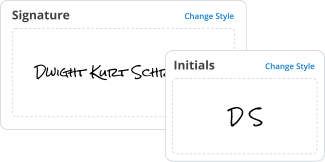
Many people wonder whether a signature has to be cursive. In the United States, there is no legal requirement for a signature to be in cursive. A signature can be a printed name, initials, or any mark that represents the individual. The key factor is that the signature must be unique to the signer and intended to authenticate the document. This flexibility allows individuals to choose a style that they are comfortable with, whether it is cursive or not.
Electronic Signing Process
When using airSlate SignNow, signing a document electronically is straightforward. Users can fill out the document online, adding their signature in the style they prefer. After completing the necessary fields, the signer can use the eSignature feature to create their signature. This can be done by drawing it with a mouse or touchscreen, typing it out, or selecting a pre-made signature. Once the signature is applied, the document can be securely sent for signature to others or stored for future reference.
Legal Validity of Non-Cursive Signatures
Non-cursive signatures are legally valid in the United States, as long as they meet the criteria for authenticity. Courts generally recognize that a signature, regardless of its style, serves the purpose of identifying the signer and indicating consent to the document's terms. Therefore, whether a signature is cursive or printed, it can hold up in legal settings, provided it is consistent and identifiable as the signer's mark.
Steps to Sign a Document Electronically
To eSign a document using airSlate SignNow, follow these steps:
- Log in to your airSlate SignNow account.
- Select the document you wish to sign.
- Fill out any required fields within the document.
- Choose the option to add your signature.
- Draw, type, or select your signature style.
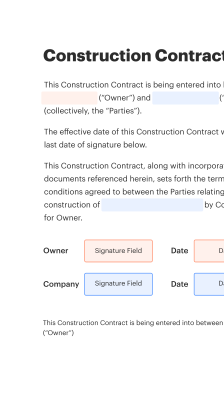
- Place your signature in the designated area of the document.
- Save the document and send it to the next signer if necessary.
Best Practices for Signatures
When creating a signature, consider the following best practices:
- Ensure that your signature is consistent across all documents.
- Use a style that you can replicate easily.
- Keep your signature simple to avoid complications during verification.
- Always review the document before signing to ensure accuracy.
Security and Compliance in Electronic Signatures
Using airSlate SignNow for electronic signatures ensures compliance with U.S. laws, such as the Electronic Signatures in Global and National Commerce (ESIGN) Act. This act validates electronic signatures as legally binding, provided that both parties agree to use electronic records. airSlate SignNow employs advanced security measures, including encryption and secure storage, to protect your documents and personal information throughout the signing process.