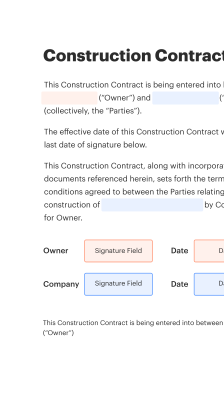
What is the digital signature?
A digital signature is a secure and legally recognized way to sign documents electronically. It serves as a virtual equivalent of a handwritten signature, ensuring the authenticity and integrity of the signed document. Digital signatures use cryptographic techniques to provide a unique identifier for the signer, making it difficult for anyone to forge or alter the signature. This technology is widely used in various sectors, including finance, real estate, and legal agreements, to streamline processes and enhance security.
How to obtain a digital signature
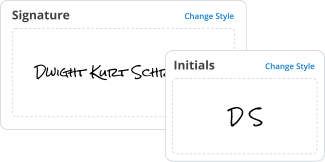
Obtaining a digital signature is a straightforward process. Users can start by selecting a trusted eSignature platform like airSlate SignNow. Once registered, individuals can create their digital signature by drawing it using a mouse or touchscreen, typing their name, or uploading an image of their handwritten signature. After creating the signature, it can be saved and used for signing documents electronically. This process typically requires minimal setup and can be completed within minutes.
Steps to complete the digital signature
To complete a digital signature using airSlate SignNow, follow these simple steps:
- Log in to your airSlate SignNow account or create a new account if you do not have one.
- Upload the document you need to sign by clicking on the upload button.
- Once the document is uploaded, select the area where you want to place your signature.
- Choose your digital signature from the options available.
- After placing your signature, you can add any additional information, such as the date or initials.
- Review the document to ensure everything is correct, then save or send it for signature.
Legal use of the digital signature
Digital signatures are legally binding in the United States under the Electronic Signatures in Global and National Commerce (ESIGN) Act and the Uniform Electronic Transactions Act (UETA). These laws establish that electronic signatures hold the same legal weight as traditional handwritten signatures. This means that documents signed electronically can be enforced in court, provided that both parties consent to use electronic signatures. It is essential to ensure compliance with these regulations when using digital signatures for official transactions.
Security & Compliance Guidelines
When using digital signatures, it is crucial to adhere to security and compliance guidelines to protect sensitive information. Here are some key practices:
- Use a reputable eSignature platform that employs strong encryption methods to safeguard data.
- Ensure that the platform complies with industry standards, such as ISO 27001 and GDPR.
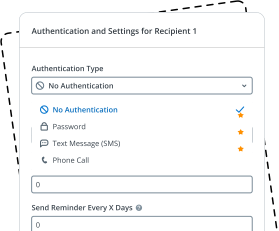
- Implement multi-factor authentication for added security when accessing your account.
- Regularly review and update security settings to maintain a secure environment.
Documents You Can Sign
Digital signatures can be used for a wide variety of documents, including:
- Contracts and agreements
- Tax forms and financial documents
- Employment contracts and HR documents
- Real estate documents
- Medical forms and consent agreements
This versatility makes digital signatures an efficient solution for both personal and business use, allowing users to sign documents quickly and securely.