Establishing secure connection…Loading editor…Preparing document…

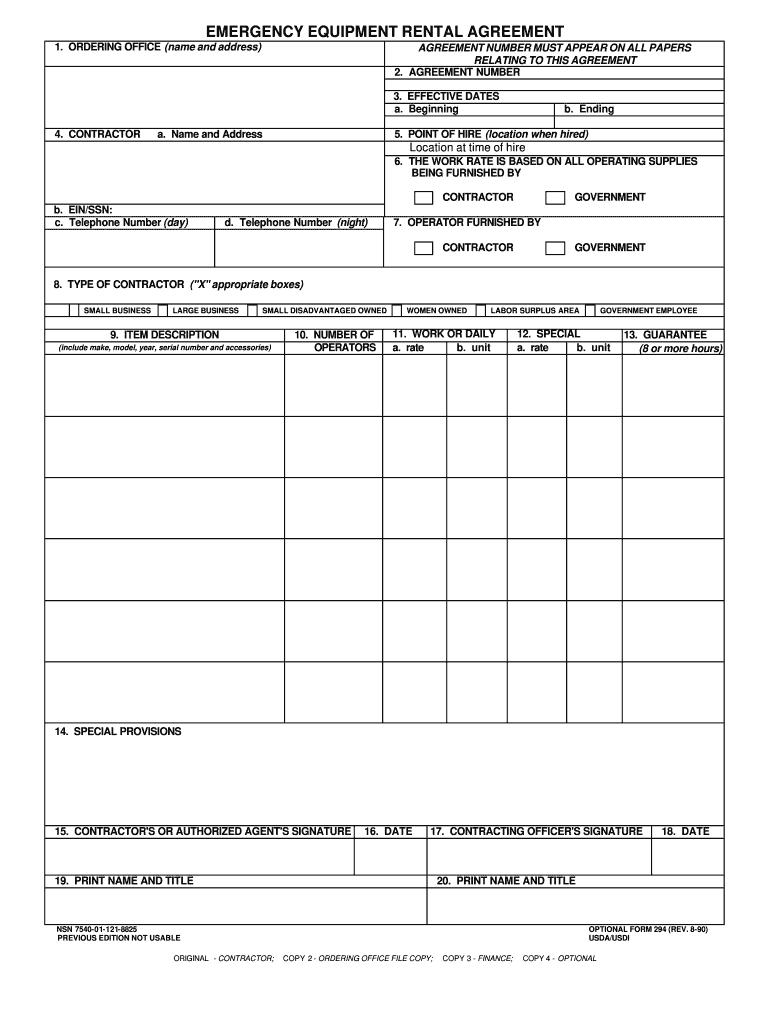
Emergency Equipment Rental Agreement

This template is fully customizable. Edit the text, fill out the fields, and send it for signature. Give it a try!
Emergency Equipment Rental Agreement

What the Emergency Equipment Rental Agreement Covers

An Emergency Equipment Rental Agreement is a legally binding contract that governs temporary use of equipment during urgent situations, such as natural disasters, facility outages, or sudden project needs. It sets rental period, delivery and return terms, fees, damage and loss allocation, insurance and indemnity obligations, and inspection and maintenance responsibilities. The agreement clarifies who supplies operators or technicians, who pays transportation and fuel costs, and what remedies apply for late return, damage, theft, or regulatory noncompliance.

Why a Clear Agreement Matters for Emergency Rentals

A concise agreement reduces operational delays and dispute risk by specifying equipment condition, responsibilities, payment terms, and insurance coverage. Clear allocation of liability and performance milestones protects both renter and owner during high-pressure mobilizations.

Why a Clear Agreement Matters for Emergency Rentals

Who Commonly Prepares or Signs This Agreement

Parties include the equipment owner (lessor), the organization renting the equipment (lessee), and any guarantor, insurer, or third-party operator named in the contract.

  • Emergency managers and municipal procurement teams needing temporary generators or pumps for public services.
  • Construction firms and contractors responding to unforeseen site requirements or equipment failures.
  • Healthcare facilities arranging temporary medical devices during capacity surges or outages.

Essential Clauses to Include in a Professional Agreement

Include these core sections to make the agreement enforceable and practical during emergencies.

Equipment Description

Detailed make, model, serial numbers, capacity, accessory list, and a statement of current condition with attachments or photos as exhibits.
Term & Delivery

Start and end dates, delivery and pick-up logistics, acceptance procedures, and who bears transport, setup, and fuel costs.

Fees & Payment

Daily or hourly rates, minimum charges, invoicing schedule, late fees, and any deposit or security hold required before delivery.

Insurance & Liability

Required insurance types and limits, proof of coverage, indemnity allocation, and responsibility for third-party claims or regulatory fines.

Damage & Maintenance

Normal wear definition, repair responsibilities, replacement costs for loss or theft, and inspection and reporting requirements on return.

Termination & Remedies

Events allowing early termination, cure periods, return obligations, and liquidated damages or holdback mechanics for breaches.

Required Information and Fields to Capture

Party Names: Full legal names
Equipment ID: Serial numbers
Rental Dates: Start/End
Payment Terms: Rates and due
Insurance Proof: Policy limits
Delivery Address: Street, city, ZIP

Step-by-Step: How to Complete the Agreement

Follow these sequential steps to prepare, review, and finalize the Emergency Equipment Rental Agreement accurately.

  • 01
    Identify Parties: Enter full legal names and authorized signers.
  • 02
    Describe Equipment: List model, serial numbers, and condition notes.
  • 03
    Set Dates: Specify effective, delivery, and return dates.
  • 04
    Confirm Insurance: Attach certificates and list coverage limits.

How to Configure an Online Rental Workflow

Set up fields and routing to collect signatures and attachments efficiently when using an electronic signature platform.

Field Configuration
Signature Block Require signer name, title, date fields
Attachments Require insurance certificate upload
Conditional Fields Show damage waiver only if selected
Routing Order Lessor → Lessee → Insurance reviewer

Where to Send or File the Completed Agreement

Determine recipients, storage location, and filing steps after both parties sign the agreement.

  • Primary Recipient: Equipment owner records the signed contract.
  • Lessee Copy: Lessee receives final PDF and certificate.
  • Insurance Provider: Send proof to insurer as required.
  • Internal Records: Store in procurement or asset management system.

Digital Signing and Sharing: Technical Considerations

Ensure the platform you choose supports required integrations such as Salesforce, NetSuite, Google Workspace, and cloud storage, and can export a tamper-evident signed PDF with audit details.

  • File Types: PDF, DOCX, and scanned images
  • Integrations: CRM and storage connectors
  • Authentication: Email or SMS codes

eSignature Pricing Snapshot for Agreement Execution

The following table compares common eSignature vendors on starting price and key capabilities relevant to executing Emergency Equipment Rental Agreements.

signNow DocuSign Adobe Sign PandaDoc HelloSign
Starting Price $8/user/mo $15/user/mo $14/user/mo $19/user/mo $15/user/mo
Free Trial 7-day free trial Varies by plan Varies by plan Varies by plan Varies by plan
Bulk Send Yes Yes Yes Yes No
Audit Trail Yes Yes Yes Yes Yes
HIPAA Compliant Yes Yes Yes No No

Common Deadlines and Timing Expectations

Key dates and typical timing for performance, notice, and payment obligations in emergency rentals.

Delivery Window:

Specify guaranteed delivery timeline and any mobilization fees.

Return Deadline:

Date and time equipment must be returned to avoid late fees.

Damage Notice:

Require notice of damage within 48–72 hours of discovery.

Invoice Payment:

Common terms are due on receipt or Net 30 unless otherwise agreed.

Insurance Claims:

File claims per insurer deadlines; notify owner promptly.

Common Mistakes to Avoid When Preparing the Agreement

  • Using vague equipment descriptions that allow disputes over condition or capability.
  • Failing to require proof of insurance or insufficient coverage limits for high-value equipment.
  • Neglecting to define fuel, operator, and consumables responsibility, which causes billing disputes.
  • Omitting transportation, setup, or permit costs and who bears delay-related charges.

Typical Penalties and Legal Risks

Late Return Fees: Daily surcharge applies
Damage Liability: Lessee pays repair/replacement
Unauthorized Use: Void warranty and indemnity
Insurance Gaps: Uninsured loss to lessee
Termination: Immediate removal and costs
Regulatory Fines: Noncompliance liability

Use Cases: How Organizations Apply This Agreement

Two representative scenarios show how clauses and workflows address urgent operational needs.

Municipal Response

A city rents generators after a storm to restore critical services

  • Rental includes rapid seven-day delivery clause
  • The agreement prioritized delivery logistics, operator support, and expedited insurance verification to minimize downtime and ensure transparent cost allocation among municipal departments.

Construction Failure

A contractor secures pumps for a flooded site to maintain schedule

  • Includes performance and maintenance obligations
  • The contract required daily inspection reports, a defined repair window, and a holdback until post-return inspection, reducing disputes and protecting project timelines.

Frequently Asked Questions

Answers to common legal and practical questions about executing and enforcing Emergency Equipment Rental Agreements.


Need help? Contact support

be ready to get more
Join over 28 million airSlate SignNow users