Establishing secure connection…Loading editor…Preparing document…

Habeas Corpus

This template is fully customizable. Edit the text, fill out the fields, and send it for signature. Give it a try!
Habeas Corpus

What Habeas Corpus Is and When It’s Used

A habeas corpus is a judicial writ challenging unlawful detention or imprisonment and seeking the detainee's release or a lawful justification for confinement. In federal practice it is typically filed under 28 U.S.C. §2241 or §2254 for state prisoners. Habeas petitions can address constitutional violations, jurisdictional defects, or new evidence affecting custody. Courts treat habeas filings as collateral remedies distinct from direct appeals and often apply specific procedural rules, exhaustion requirements, and statute-of-limitations provisions before reaching the petition’s merits.

Why a Proper Habeas Petition Matters

A correctly prepared habeas corpus petition preserves constitutional claims, opens access to federal review, and frames relief requests clearly for the court. Proper structure reduces procedural dismissal risk and improves the chance that the court will address the petition’s substantive claims.

Why a Proper Habeas Petition Matters

Who Typically Files or Prepares a Habeas Petition

Choose representation based on legal complexity, deadlines, and available remedies; counsel often handles exhaustion, evidentiary development, and federal procedure.

  • Pro se detainees preparing their own petitions without counsel, often in state or federal custody
  • Public defenders and appointed counsel representing indigent clients in collateral review
  • Private appellate or habeas attorneys handling complex constitutional, ineffective assistance, or jurisdictional claims

Who Can Sign or File the Petition

Petitioner — Pro Se

A detained person may sign and file a habeas petition on their own behalf when representing themselves. Courts accept pro se filings but apply strict procedural screening; a detained petition must still meet exhaustion and timeliness standards.

Attorney — Counsel

A licensed attorney can sign and file on the petitioner’s behalf, prepare supporting exhibits, and handle federal practice. Counsel must include a valid signature block, bar identification, and often a certificate of service.

Required Information and Core Petition Elements

Petitioner Name: Full legal name and aliases
Respondent Name: Warden or custodian name
Court Identification: Name of court and division
Case Number: State or federal docket number
Statement of Facts: Concise factual chronology
Relief Requested: Specific remedy sought

Core Sections Every Professional Habeas Petition Needs

Organize the petition so each element is clear: caption, factual narrative, legal claims, supporting exhibits, and formal requests for relief.

Caption

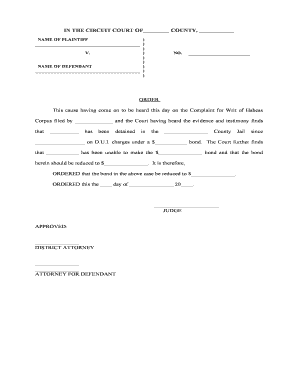
Court heading and party names must match the custodian format used in habeas practice to ensure proper service and jurisdictional clarity.
Jurisdictional Statement

State the statutory basis (e.g., 28 U.S.C. §2241 or §2254) and explain why the chosen court has authority to hear the petition.

Facts

Provide a chronological, numbered factual account that ties to the legal claims and highlights exhaustion and timeliness points.

Legal Claims

List constitutional or statutory violations with concise legal argument and citation to controlling authority where available.

Exhibits

Attach judgments, trial transcripts, state court filings, and any new evidence labeled and paginated for easy reference.

Relief

Specify the remedy requested (release, new trial, evidentiary hearing, stay) and the factual/legal basis for each form of relief.

Step-by-Step: Preparing and Filing a Habeas Petition

Follow these steps to prepare a clear, procedurally compliant petition and reduce the risk of dismissal or delay.

  • 01
    Gather Records: Collect judgments, transcripts, and prior pleadings
  • 02
    Draft Petition: Write jurisdiction, facts, claims, and relief
  • 03
    Attach Exhibits: Label and paginate all supporting documents
  • 04
    File and Serve: File per court rules and serve the custodian

Where to File and Which Court Hears a Petition

Filing venue depends on custody location and the statute invoked; follow local filing rules for state and federal courts carefully.

  • State Habeas: File in the state court with jurisdiction over conviction
  • Federal Habeas: File in the federal district court where petitioner is confined
  • Emergency Petitions: Seek emergency relief via immediate filing or ex parte application
  • Venue Changes: Move for transfer if custody or jurisdiction changes

Configuring an Online Petition Workflow

Set up an online workflow that captures signatures, attachments, and service details while preserving an audit trail for court evidence.

Document Upload PDF upload with searchable text
Signature Field E-signature or wet-sign option
Exhibit Attachments Attach exhibits with labels
Authentication Email or stronger signer verification
Certificate Generate completion audit trail

Digital Delivery and Technical Requirements

Ensure the platform can produce a tamper-evident PDF and a downloadable audit log showing signer attribution, timestamps, and IP addresses for court use.

  • File Formats: PDF, Word DOCX supported
  • Integrations: Supports Google Workspace and NetSuite
  • Security: TLS and AES-256 encryption

Key Timelines and Filing Deadlines to Watch

Timeliness is critical; calculate statutory deadlines and exhaustion periods before filing to avoid procedural bar or dismissal.

AEDPA Limit:

1 year (28 U.S.C. §2244(d))

Exhaustion:

Complete state remedies before federal petition

Emergency Relief:

File immediately for stays or temporary release

Service Deadline:

Serve custodian per local rules

Appeal Timing:

Observe appeal windows when relief denied

Consequences of Procedural Errors or Incomplete Petitions

Dismissal: Petition may be dismissed
Procedural Default: Claims may be barred on collateral review
Sanctions: Court may impose monetary sanctions
Delay: Relief may be significantly delayed
Loss of Rights: Statute of limitations may be forfeited
Perjury Risk: False statements can be criminally actionable

Common Mistakes When Preparing a Habeas Petition

  • Failing to exhaust state remedies before filing federal habeas, which often leads to dismissal for failure to exhaust
  • Missing the AEDPA one-year deadline or miscalculating tolling events, producing a petition barred as untimely
  • Neglecting to attach key state-court records or transcripts, leaving federal review without necessary factual context
  • Using vague legal claims without citations or demonstrable factual links to the detainee’s rights or trial record

How Habeas Corpus Compares with Related Remedies

Understand differences between habeas corpus, motions to vacate, and direct appeals to select the appropriate procedural vehicle.

Remedy Habeas Motion to Vacate Direct Appeal
Primary Purpose collateral review sentence relief correct trial error
Filing Deadline variable post-conviction on appeal
Typical Court federal district sentencing court appellate court
Relief Available release/new trial resentencing reversal

eSignature Pricing and Feature Snapshot for Legal Filings

Basic pricing and core features for common eSignature vendors. signNow is listed first consistent with the comparison format required for vendor selection.

signNow DocuSign Adobe Sign PandaDoc HelloSign
Starting Price $8/user/mo $15/user/mo $14/user/mo $19/user/mo $15/user/mo
Free Trial 7-day free trial Varies by vendor Varies by vendor Varies by vendor Varies by vendor
Bulk Send Yes Yes Yes Yes No
Audit Trail Yes Yes Yes Yes Yes
HIPAA Compliant Yes Yes Yes No No
Envelope Cap No envelope cap 100 envelopes/user/year Varies Varies Varies

Frequently Asked Questions About Habeas Corpus Preparation and eFiling

Answers address common procedural issues, eSignature questions, filing venue, and urgent relief so petitioners and counsel can proceed with clarity.


Need help? Contact support

be ready to get more
Join over 28 million airSlate SignNow users