Establishing secure connection…Loading editor…Preparing document…

Lease Agreement

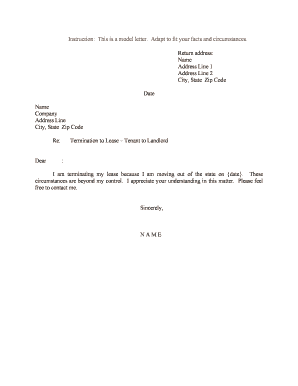
This template is fully customizable. Edit the text, fill out the fields, and send it for signature. Give it a try!
Lease Agreement

What a Lease Agreement Is and What It Covers

A Lease Agreement is a written contract that sets the terms under which one party (the landlord) grants another party (the tenant) the right to occupy and use real property for a defined period in exchange for rent and other obligations. Typical elements include identification of parties, leased premises, term length, rent amount and payment schedule, security deposit, maintenance responsibilities, permitted uses, notice procedures, default remedies, and termination rights. In the United States, electronic execution is generally enforceable under the ESIGN Act (15 U.S.C. ch. 96) and UETA where adopted, subject to state exceptions.

Why a Clear Lease Agreement Matters

A Lease Agreement clarifies rights and duties, reduces dispute risk, and creates an enforceable record of expectations for rent, repairs, and termination. Clear terms support landlord-tenant communication, streamline property management, and provide a defensible basis for legal remedies if a party breaches the agreement.

Why a Clear Lease Agreement Matters

Who Commonly Uses Lease Agreements

Landlords, property managers, and tenants commonly use Lease Agreements to document occupancy terms, risk allocation, and payment obligations.

  • Individual landlords managing single-family homes or small rental portfolios seeking clear payment and maintenance terms.
  • Professional property managers handling multiple units and standardized leasing workflows, often integrating renewals and notices.
  • Tenants requiring proof of tenancy, clarity on utilities, liability limits, and security deposit rules.

Core Sections Every Professional Lease Agreement Should Include

Essential Lease Agreement sections define the premises, financial terms, term length, use restrictions, maintenance duties, and default remedies to limit ambiguity and support enforcement.

Parties

Identify landlord and tenant full legal names and contact details, specify entity type for corporate parties, and include an emergency contact for property-related notices.
Premises

Describe exact unit or property address, included parking or storage, permitted common areas, and attach floor plans or a legal description when available.

Term & Rent

Specify lease start and end dates, renewal options, rent amount, payment due date, late fees, grace periods, and accepted payment methods.

Deposits & Fees

Detail security deposit amount, allowed deductions, handling and return conditions, and any nonrefundable fees such as pet or administrative charges.

Repairs & Maintenance

Allocate responsibilities for routine upkeep, emergency repairs, permitted alterations, and outline notification protocol and cost allocation for damage or negligence.

Default & Remedies

Define breach events, cure periods, landlord remedies including termination and recovery of possession, and procedures to recover unpaid rent and related costs.

Step-by-Step: Executing a Lease Agreement

Follow these steps to complete and execute a Lease Agreement, whether on paper or using an electronic signature platform with audit logging.

  • 01
    Prepare Document: Select template and insert property details.
  • 02
    Review Terms: Confirm rent, repairs, deposits, and utility allocations.
  • 03
    Collect Signatures: Send to parties for signatures and initials.
  • 04
    Retain Copies: Store executed document and audit trail securely.

How to Configure an Online Lease Workflow

Configure an online Lease Agreement workflow with fields, authentication, reminders, and storage settings for reliable execution and recordkeeping.

Field Configuration
Signer Authentication Email and optional SMS code for stronger verification.
Required Fields Name, address, rent, deposit, and signature fields set as mandatory.
Reminders Automated email reminders and overdue notices configured by schedule.
Storage Encrypted storage with access controls and audit trail retention.

Where to Send and Store the Executed Lease

Typical routing for executed Lease Agreements covers delivery to tenants, property management records, and legal or lender review when required.

  • Tenant Copy: Provide tenant with fully executed PDF or paper copy.
  • Landlord File: Store in property file and central records system.
  • Property Manager: Attach to unit record in property management software.
  • Lender/Recording: Deliver to lender on request; record only when required.

Platform Essentials for Digital Signing and eSubmission

For digital signing and eSubmission, choose a platform that supports encryption, audit trails, and lawful e-signature compliance (ESIGN/UETA).

  • Authentication: Email, SMS code, or stronger
  • File Formats: PDF and Word DOCX supported
  • Integrations: Integrates with Salesforce, NetSuite, Google Drive

Critical Dates and Timelines to Track

Key dates associated with a Lease Agreement include execution, rent due dates, notice periods for termination or renewal, and move-out inspection timelines.

Execution / Effective Date:

Enter date parties sign; governs when obligations begin.

Rent Due Date & Frequency:

State monthly due date and accepted payment window.

Security Deposit Return Deadline:

Comply with state statute for return timing and itemized deductions.

Notice to Terminate or Renew:

Specify required notice period, often 30 or 60 days.

Move-Out Inspection Window:

Set inspection and cleaning schedule tied to lease end.

Notarization and Witness Steps When Required

Authentication steps for notarization or witness requirements vary by state; follow the sequence below when the Lease requires additional formalities.

01

Determine Requirement

Confirm if lease or local law requires notarization or witnesses.

02

Choose Notary Type

Select in-person notary or remote online notarization if permitted.

03

Identity Proofing

Signer presents ID or completes KBA or credential analysis for RON.

04

Audio-Visual Record

For RON, record the session if state requires retention.

05

Notary Journal Entry

Notary logs date, signer, ID, and document details.

06

Witnesses if Required

Obtain required witness signatures and contact information.

07

Attach Acknowledgement

Include notary certificate and any witness affidavits.

08

Retain Records

Keep notary or RON records per state retention rules.

Common Preparation Errors to Avoid

  • Incomplete party names or mismatched legal entity names cause disputes and may prevent enforcement, especially when a corporate landlord signs without a proper officer title or authority.
  • Ambiguous rent or fee language—undefined late fees, unclear grace periods, or vague maintenance responsibilities—creates confusion and increases litigation risk.
  • Failing to follow state-specific security deposit rules, including holding, disclosure, and return timelines, can trigger statutory penalties and tenant damage claims.
  • Skipping required notices, such as lead paint disclosures for older properties or municipality-required eviction notices, can render notices ineffective and delay enforcement.

Penalties and Legal Risks of an Incorrect Lease

Security Deposit Penalties: Statutory fines and treble damages possible in some states.
Unlawful Eviction Risk: Self-help eviction can result in landlord liability.
Rent Withholding Consequences: Tenant remedies may reduce rent; landlord faces repair obligations.
Late Fee Limits: State caps may limit enforceable fees.
Disclosure Violations: Failure to disclose hazards leads to penalties.
Document Errors: Invalid or missing signatures may void the agreement.

Real-World Examples of Lease Agreement Use

Real-world use cases show how Lease Agreements solve common operational and compliance problems for landlords and property managers.

Martin Properties

Martin Properties adopted electronic Lease Agreements to eliminate in-person signings and improve turnaround times for new tenancies.

  • Saved staff time and improved compliance.
  • The firm reported consistent execution across mobile and desktop, reduced document loss, and clearer audit trails that simplified rent disputes and lease renewals without changing core legal terms.

Optica Ventures

Optica Ventures streamlined apartment leases with standardized templates and digital signatures to reduce administrative bottlenecks across multiple properties.

  • Customers completed leases remotely.
  • This reduced vacancy times and allowed staff to focus on property maintenance while preserving enforceability and a detailed audit trail for each executed Lease Agreement.

eSignature Pricing and Feature Comparison for Lease Workflows

Compare starting prices and common features across leading eSignature vendors. signNow is listed first per vendor comparison standards.

signNow DocuSign Adobe Sign PandaDoc HelloSign
Starting Price $8/user/mo $15/user/mo $14/user/mo $19/user/mo $15/user/mo
Free Trial 7-day free trial No No Yes, limited Yes, limited
Bulk Send Yes Yes Yes Yes No
Audit Trail Yes Yes Yes Yes Yes
HIPAA Compliant Yes Yes Yes No No
Envelope Cap No cap 100 envelopes/user/year Varies by plan Varies Varies

Frequently Asked Questions About Lease Agreements

Answers to frequent questions about executing, modifying, and enforcing Lease Agreements, including e-signature legality and state-specific notarization requirements.


Need help? Contact support

be ready to get more
Join over 28 million airSlate SignNow users