What is the get digital signature
A digital signature is a secure and legally recognized way to sign documents electronically. It uses cryptographic techniques to provide proof of the signer's identity and the integrity of the signed document. By implementing a digital signature, users can ensure that their agreements are authentic and tamper-proof, making it an essential tool for businesses and individuals alike.
How to use the get digital signature
To use a digital signature effectively, users can follow a straightforward process. First, upload the document that requires a signature to the airSlate SignNow platform. Next, specify the signers and their respective signing order, if applicable. Once the document is set up, users can add signature fields and any other necessary information. After finalizing the document, it can be sent for signature. Signers will receive an email notification prompting them to review and sign the document electronically.
Steps to complete the get digital signature
Completing a digital signature involves several key steps:
- Log into your airSlate SignNow account.
- Upload the document that needs to be signed.
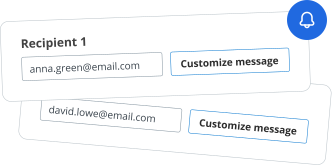
- Add signers by entering their email addresses.
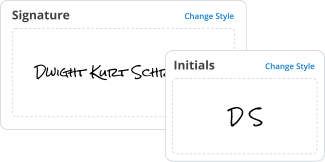
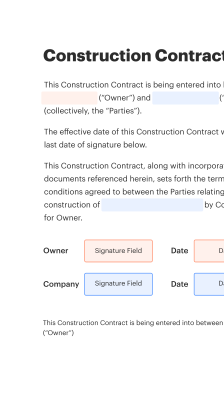
- Insert signature fields and any additional required fields, such as dates or initials.
- Review the document for accuracy.
- Send the document for signature to the designated signers.
- Once all parties have signed, download or store the completed document securely.
Legal use of the get digital signature
Digital signatures are legally binding in the United States under the Electronic Signatures in Global and National Commerce (ESIGN) Act and the Uniform Electronic Transactions Act (UETA). These laws establish that electronic signatures hold the same legal weight as traditional handwritten signatures, provided that all parties consent to use electronic means for signing. This legal recognition makes digital signatures a reliable option for various transactions, including contracts, agreements, and other official documents.
Security & Compliance Guidelines
When using digital signatures, it is crucial to adhere to security and compliance guidelines to protect sensitive information. Users should ensure that the platform they choose, such as airSlate SignNow, employs robust encryption methods to safeguard data during transmission and storage. Additionally, maintaining audit trails and access controls can enhance security by tracking who signed the document and when. Regularly reviewing compliance with relevant regulations, such as GDPR or HIPAA, is also essential for organizations handling sensitive information.
Documents You Can Sign
Digital signatures can be applied to a wide range of documents, making them versatile tools for various industries. Common documents include:
- Contracts and agreements
- Non-disclosure agreements (NDAs)
- Employment forms and HR documents
- Invoices and purchase orders
- Legal documents and court filings
This flexibility allows businesses to streamline their workflows and reduce reliance on paper-based processes.
Sending & Signing Methods (Web / Mobile / App)
Users can send and sign documents using multiple methods, enhancing accessibility and convenience. The airSlate SignNow platform supports web-based signing, allowing users to access their documents from any browser. Additionally, mobile apps are available for both iOS and Android devices, enabling users to sign documents on the go. This multi-platform availability ensures that users can manage their signing tasks efficiently, regardless of their location or device preference.