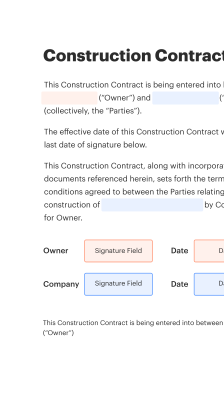
What is the digital signature for word
A digital signature for Word is a secure method of signing electronic documents within Microsoft Word. It uses cryptographic techniques to ensure the authenticity and integrity of the document. By applying a digital signature, users can verify that the document has not been altered after signing and confirm the identity of the signer. This process is essential for maintaining trust in electronic transactions and is widely accepted in various industries, including legal, finance, and healthcare.
How to use the digital signature for word
To use a digital signature in Word, you first need to prepare your document. Once your content is finalized, navigate to the "Insert" tab and select "Text" followed by "Signature List." Here, you can choose to add a digital signature line. After inserting the signature line, you can click on it to sign. If you are using airSlate SignNow, you can upload your Word document, fill it out, and request signatures electronically. This streamlines the signing process, allowing for easy tracking and management of the document.
Steps to complete the digital signature for word
Completing a digital signature in Word involves several straightforward steps:
- Open your Word document and ensure all content is finalized.
- Go to the "Insert" tab and click on "Signature Line."
- Fill in the necessary details, including the signer's name and title.
- Click "OK" to insert the signature line into your document.
- Right-click the signature line and select "Sign" to add your digital signature.
- If using airSlate SignNow, upload the document, fill it out, and send it for signature.
Legal use of the digital signature for word
In the United States, digital signatures are legally recognized under the Electronic Signatures in Global and National Commerce (ESIGN) Act and the Uniform Electronic Transactions Act (UETA). These laws establish that electronic signatures hold the same legal weight as traditional handwritten signatures. When using a digital signature in Word, it is crucial to ensure that the signing process complies with these regulations to maintain the validity of the signed document.
Key elements of the digital signature for word
Key elements of a digital signature for Word include:
- Authentication: Verifies the identity of the signer.
- Integrity: Ensures the document has not been altered post-signature.
- Non-repudiation: Prevents the signer from denying their signature.
- Timestamping: Records the exact time the document was signed.
Security & Compliance Guidelines
When using digital signatures in Word, adhering to security and compliance guidelines is essential. Ensure that the software used for signing, such as airSlate SignNow, complies with industry standards for data protection. Use strong passwords and two-factor authentication to secure your accounts. Regularly update your software to protect against vulnerabilities. Additionally, maintain an audit trail of signed documents to ensure compliance with legal requirements.