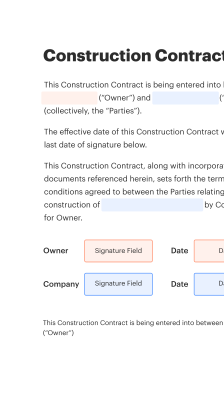
What is the electronic signature open source
An electronic signature open source refers to software solutions that allow users to create, manage, and verify electronic signatures without the constraints of proprietary systems. These tools enable businesses and individuals to sign documents digitally while ensuring compliance with legal standards. Open source solutions provide flexibility, allowing users to customize features according to their specific needs, promoting transparency in the signing process.
How to use the electronic signature open source
Using an electronic signature open source solution typically involves several straightforward steps. First, users need to upload the document they wish to sign. Next, they can fill out any required fields directly within the document. Once the document is prepared, users can apply their electronic signature by selecting the appropriate option within the software. After signing, the document can be securely shared with other parties for their signatures, if needed. Finally, users can store the completed document in a secure location for future reference.
Steps to complete the electronic signature open source
Completing an electronic signature using open source software involves the following steps:
- Upload Document: Begin by selecting the document you want to sign from your device.
- Fill Out Fields: Use the software to fill in any necessary information, such as names, dates, or other relevant details.
- Apply Signature: Choose the option to eSign, which may involve drawing your signature or selecting a pre-saved signature.
- Send for Signature: If additional signatures are required, send the document to other signers directly through the platform.
- Store and Manage: Once all signatures are collected, store the document securely within the software for easy access.
Legal use of the electronic signature open source
Electronic signatures created through open source software are legally recognized in the United States under the Electronic Signatures in Global and National Commerce (ESIGN) Act and the Uniform Electronic Transactions Act (UETA). These laws affirm that electronic signatures hold the same legal weight as traditional handwritten signatures, provided that both parties consent to use electronic means for signing. It is essential for users to ensure that their chosen solution complies with these regulations to maintain the validity of their signed documents.
Security & Compliance Guidelines
When using electronic signature open source software, it is crucial to adhere to security and compliance guidelines to protect sensitive information. Users should ensure that the software employs encryption to safeguard data during transmission and storage. Additionally, implementing authentication measures, such as multi-factor authentication, can enhance security. Regular audits and updates of the software are also recommended to address any vulnerabilities and ensure compliance with relevant laws and regulations.
Documents You Can Sign
Electronic signature open source solutions can be used to sign a wide variety of documents, including:
- Contracts and agreements
- Legal documents
- HR forms, such as employment contracts
- Tax forms
- Invoices and purchase orders
- NDAs (Non-Disclosure Agreements)
This versatility allows businesses and individuals to streamline their signing processes across different types of documents.
Sending & Signing Methods (Web / Mobile / App)
Electronic signature open source solutions typically offer multiple methods for sending and signing documents. Users can access the software through web browsers, mobile applications, or dedicated desktop applications. This flexibility enables users to sign documents on the go, ensuring that they can complete transactions quickly and efficiently, regardless of their location. Each method maintains the same level of security and compliance, allowing for a seamless signing experience.