Añadir Campos Desplegables a Su Documento Con SignNow
Añadir campos desplegables a su documento es fácil con signNow. Esta solución de firma electrónica segura y conforme se adapta a diversas industrias en EE. UU.
Qué son los add dropdown fields to your document y por qué importan
Los add dropdown fields to your document son campos desplegables integrados en un formulario o contrato digital que permiten a firmantes y colaboradores seleccionar opciones predefinidas en lugar de introducir texto libre. Estos campos mejoran la consistencia de los datos, reducen errores y aceleran la recopilación de información en procesos que requieren decisiones estandarizadas, como selección de términos, tipos de servicio o niveles de autorización. En herramientas de firma electrónica, los desplegables también facilitan la lógica condicional y la validación previa al envío, simplificando auditorías y control de versiones del documento.
Ventajas clave de usar add dropdown fields to your document
Los desplegables estandarizan respuestas, reducen errores de entrada y agilizan procesos de firma, lo que facilita cumplimiento y trazabilidad en entornos corporativos.
Retos habituales al implementar campos desplegables
Seleccionar opciones irrelevantes que confunden al firmante y generan datos inconsistentes en los registros.
No sincronizar listas desplegables con sistemas externos, causando desajustes entre CRM y documentos firmados.
Diseñar demasiadas opciones, lo que aumenta la fricción y reduce la tasa de finalización del formulario.
Falta de validación condicional que permita combinaciones inválidas entre campos relacionados.
Perfiles de usuario que gestionan campos desplegables
Gerente Legal
Supervisa la consistencia de cláusulas y opciones en contratos; define listas desplegables estandarizadas y revisa la validez legal de las opciones para minimizar riesgos contractuales.
Administrador de TI
Implementa las plantillas con desplegables, gestiona integraciones con CRM y controla permisos de edición para asegurar que sólo personal autorizado modifique las opciones disponibles.
Quién utiliza add dropdown fields to your document
Departamentos que manejan volúmenes altos de formularios o contratos suelen implementar desplegables para estandarizar datos y acelerar aprobaciones.
Recursos Humanos: para selección de beneficios, tipos de contrato y códigos internos.
Ventas y contratos: para elegir niveles de servicio, condiciones y plazos estandarizados.
Administración TI: para desplegar opciones de configuración y flujos de aprobación.
El uso común abarca tanto pequeñas empresas como grandes organizaciones que necesitan control de datos y trazabilidad en procesos firmados electrónicamente.
prepárese para obtener más ventajas
Elija una solución mejor
Herramientas clave para gestionar add dropdown fields to your document
Funciones que incrementan la utilidad de los desplegables, desde control de versiones hasta integración con sistemas externos.
Opciones dinámicas
Permite cargar listas desde fuentes externas como CRM o hojas de cálculo, manteniendo las opciones sincronizadas y evitando desactualización manual de menús desplegables.
Validación condicional
Establece reglas que muestran u ocultan desplegables según respuestas previas, reduciendo entradas inválidas y guiando al firmante hacia opciones coherentes.
Plantillas reutilizables
Cree plantillas con desplegables predefinidos para procesos recurrentes, lo que acelera la preparación de documentos y mantiene uniformidad en todos los envíos.
Registro de cambios
Audita qué usuario cambió las opciones y cuándo, asegurando control de versiones y facilitando revisiones de cumplimiento interno.
Cómo funcionan técnicamente los desplegables en documentos
Resumen del flujo interno desde la creación del campo hasta su captura y registro en el expediente electrónico.
Creación: El autor define el campo y opciones
Visualización: El destinatario ve el desplegable durante la revisión
Selección: El usuario elige una opción y confirma
Registro: La elección se almacena en el registro de auditoría
Recoge firmas
24x
más rápido
Reduce los costos en
$30
por documento
Ahorra hasta
40h
por empleado / mes
Guía rápida: añadir add dropdown fields to your document
Siga estos pasos básicos para insertar y configurar desplegables en un documento digital antes de enviarlo para firma.
01
Abrir documento: Cargar el archivo en la plataforma
02
Insertar campo: Seleccionar 'Desplegable' en la barra de herramientas
03
Definir opciones: Agregar y ordenar las entradas permitidas
04
Asignar firmante: Vincular el campo a la parte correspondiente
prepárese para obtener más ventajas
Por qué elegir airSlate SignNow
Versión de prueba gratuita de 7 días. Elija el plan que necesita y pruébelo sin riesgos.
Precios honestos para planes completos. airSlate SignNow ofrece planes de suscripción sin sobrecargos ni comisiones ocultas al renovar.
Seguridad de grado empresarial. airSlate SignNow le ayuda a cumplir con los estándares de seguridad globales.
Configuración típica del flujo para usar desplegables
Configuración recomendada en el flujo de trabajo para asegurar validación, recordatorios y retención cuando los desplegables intervienen en la lógica del documento.
Parámetro
Valor por defecto establecido
Recordatorio automático de firma
72 horas
Caducidad del documento
30 días
Revisión previa a envío
Habilitada siempre
Validación condicional
Activada por campo
Requisitos de plataforma para añadir add dropdown fields to your document
Verifique compatibilidad del navegador, versión de la aplicación móvil y permisos de cuenta antes de crear campos desplegables en plantillas.
Navegadores soportados:Chrome, Edge, Safari
App móvil:iOS y Android
Permisos de cuenta:Editor o administrador
Para integraciones avanzadas y sincronización con sistemas externos revise requisitos de API, credenciales y políticas de CORS; ajuste las configuraciones de seguridad y almacenamiento según las políticas internas de retención documental.
Controles de seguridad relacionados con los desplegables
Cifrado en tránsito:TLS 1.2+ obligatorio
Cifrado en reposo:AES-256 estándar aplicado
Autenticación:MFA soportado
Control de acceso:Roles y permisos
Registro de auditoría:Trazabilidad completa
Aislamiento de datos:Segmentación por cliente
Casos de uso reales para add dropdown fields to your document
Dos ejemplos ilustran cómo los desplegables reducen tareas manuales y mejoran la calidad de datos en procesos críticos.
Proceso de incorporación
Una empresa de servicios financieros integró desplegables en formularios de empleado para estandarizar tipos de cuenta y beneficios
Menús controlados por RRHH
Menor error en datos bancarios y selección de beneficios
Resulting in reducción de consultas y tiempos administrativos.
Contrato de proveedor
Un equipo de compras implementó listas desplegables para términos de entrega y niveles de servicio
Opciones vinculadas a SLA
Facilita conciliación automática y validación previa a firma
Leading to más rapidez en firmas y menor disputa contractual.
Buenas prácticas para desplegables eficaces en documentos firmables
Directrices para diseñar desplegables que reduzcan errores, mejoren experiencia y cumplan requisitos legales y operativos.
Limitar opciones a lo esencial
Ofrezca sólo las alternativas necesarias para evitar que el firmante se confunda y para acelerar la selección sin sacrificar precisión de datos.
Nombrado claro de campos
Use etiquetas de campo descriptivas y coherentes que permitan a los destinatarios entender exactamente qué se está solicitando y faciliten el mapeo con sistemas externos.
Sincronización con fuentes maestras
Enlazar desplegables con listas maestras en CRM o directorios para mantener consistencia entre documentos y sistemas, reduciendo rework por opciones obsoletas.
Validación y pruebas antes de producción
Probar plantillas y flujos con varios escenarios y usuarios para identificar combinaciones inválidas y ajustar reglas condicionales antes de uso operativo.
Verifique permisos y visibilidad del campo; confirme que el desplegable esté asignado al rol correcto dentro del flujo. Si el campo está condicionado, asegúrese de que las respuestas previas cumplan la regla de visibilidad. Compruebe también que la plantilla se haya guardado y que el destinatario use un navegador o app compatible.
Revise la configuración de la integración API y las credenciales; confirme que el endpoint de la lista maestra retorne datos en el formato esperado. Compruebe logs de sincronización y habilite pruebas en entorno sandbox antes de aplicar cambios en producción para evitar datos inconsistentes.
Reduzca el número de entradas a las más frecuentes y agrupe o codifique opciones secundarias; considere usar búsqueda en listas largas o segmentación condicional para mostrar solo las opciones relevantes según respuestas previas.
Implemente reglas condicionales y validaciones servidor-side que verifiquen combinaciones permitidas; registre los resultados en la auditoría del documento para pruebas posteriores y cumplimiento.
Evite modificar opciones maestras retroactivamente para documentos ya firmados; si es necesario, documente el cambio y mantenga versiones antiguas para auditoría y protección legal.
Asegúrese de que los campos desplegables sean navegables por teclado, etiquetados correctamente y compatibles con lectores de pantalla para cumplir requisitos de accesibilidad y facilitar el uso por parte de todos los firmantes.
Comparación de soporte para add dropdown fields to your document entre proveedores
Comparativa breve sobre disponibilidad de funciones de desplegables y controles asociados en plataformas de firma electrónica populares.
Comparativa de planes y costes relevantes para desplegables
Resumen de modelos de precios y disponibilidad de funciones útiles para despliegue de listas desplegables en procesos de firma electrónica.
Criteria
signNow (Featured)
Adobe Sign
DocuSign
HelloSign
PandaDoc
Planes básicos disponibles
Plan desde $8/mes con eSign
Paquetes Individual y Business
Personal y Standard
Free tier disponible
Plan gratuito con funcionalidades limitadas
Soporte API incluido
API incluida en planes business
API disponible en niveles superiores
API en planes Business Pro
API en planes de pago
API disponible en planes Business
Controles de usuarios y roles
Roles y permisos por organización
Control centralizado
Control granular de usuarios
Permisos por equipo
Roles administrativos
Certificaciones y cumplimiento
ESIGN, UETA, SOC 2
ESIGN y estándares Adobe
ESIGN y SOC 2
ESIGN y GDPR compliance
ESIGN y SOC 2
Opciones de empresa y soporte
Planes Enterprise y soporte dedicado
Enterprise y acuerdos de nivel
Enterprise con soporte
Planes empresariales disponibles
Soporte empresarial disponible
Cómo agregar un campo desplegable a un documento con airSlate SignNow
Permite a los destinatarios completar tus documentos seleccionando entre múltiples opciones de respuesta en lugar de escribir texto. Los campos desplegables te permiten recopilar documentos completados más rápido y evitar errores costosos.
Usa el editor de documentos para agregar campos rellenables
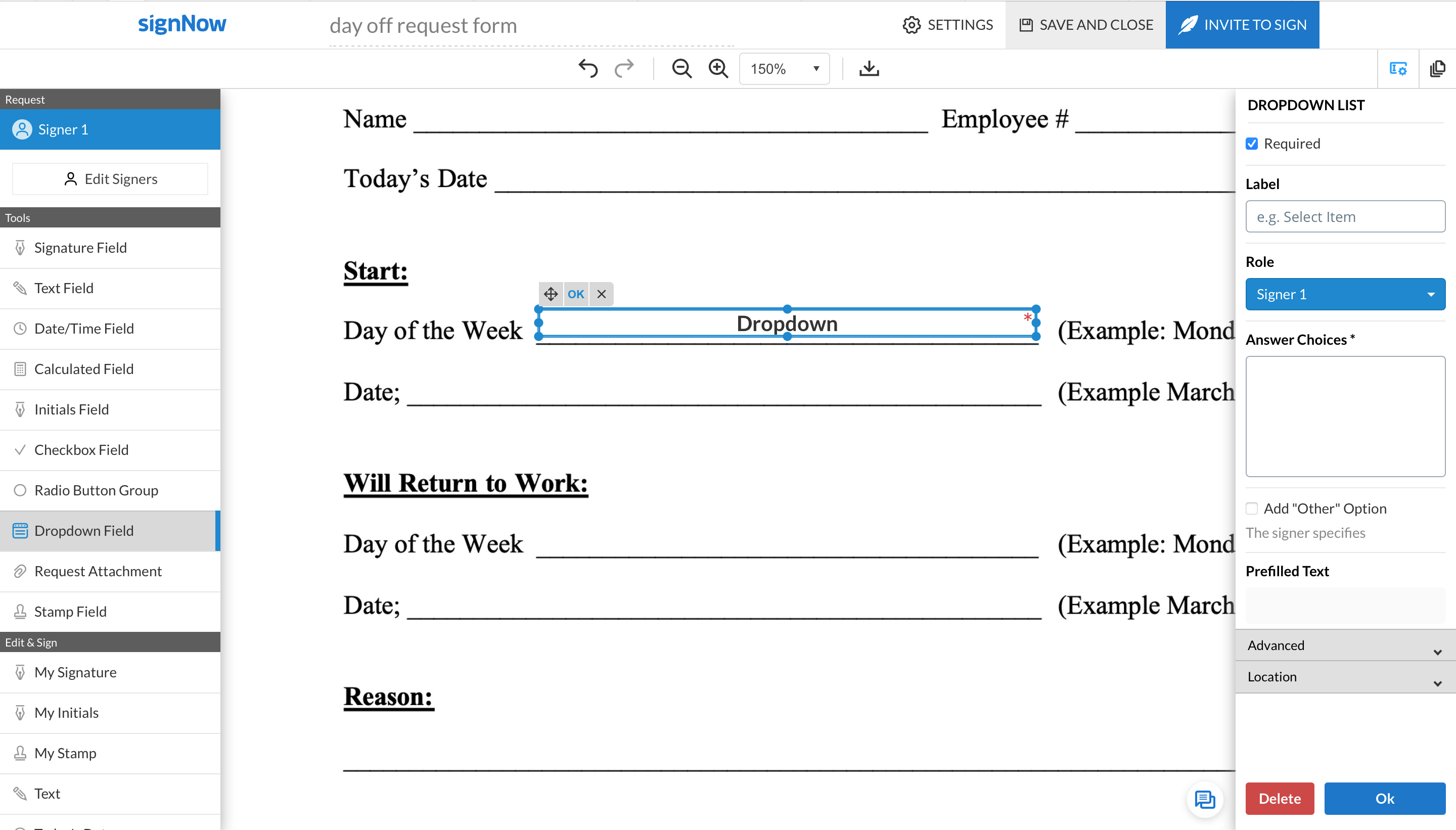
Abre un documento en el editor de airSlate SignNow. Selecciona Campo desplegable en la barra lateral izquierda y haz clic en cualquier parte del documento para colocar el campo. Ajusta la posición del campo arrastrándolo por la página. También puedes cambiar su tamaño arrastrando sus bordes. Cuando termines, haz clic en OK.
Configura los campos rellenables en segundos
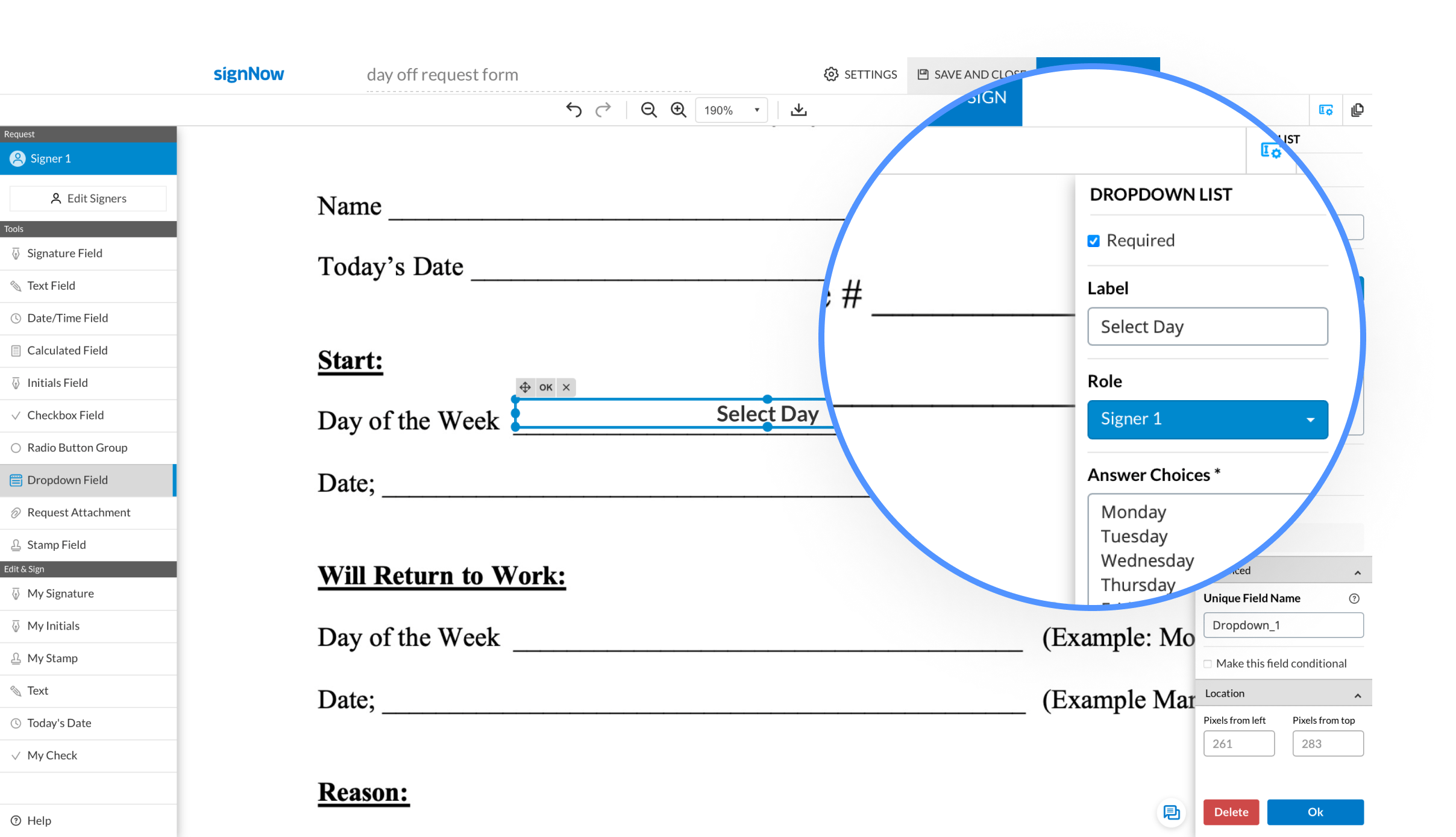
Haz clic en el campo desplegable, aparecerán sus configuraciones a la derecha:
Haz que el campo sea obligatorio marcando la casilla Obligatorio.
Proporciona el nombre del campo o instrucciones para el firmante en la casilla Etiqueta.
Si tienes múltiples firmantes, asigna uno de los roles de firma al campo usando el desplegable Rol.
Proporciona opciones de respuesta múltiple que aparecerán en el desplegable en el campo Opciones de respuesta. Escribe cada opción en una línea nueva. Para saltar a la siguiente línea, presiona Enter. También puedes agregar la opción “Otra” marcando la casilla Agregar opción “Otra”.
Agrega texto prellenado si es necesario.
Ve a la sección Avanzado para darle un ID único al campo o hacerlo condicional.
En la sección Ubicación, ajusta la posición del campo estableciendo márgenes en píxeles.
Envía documentos para firmar en un par de clics
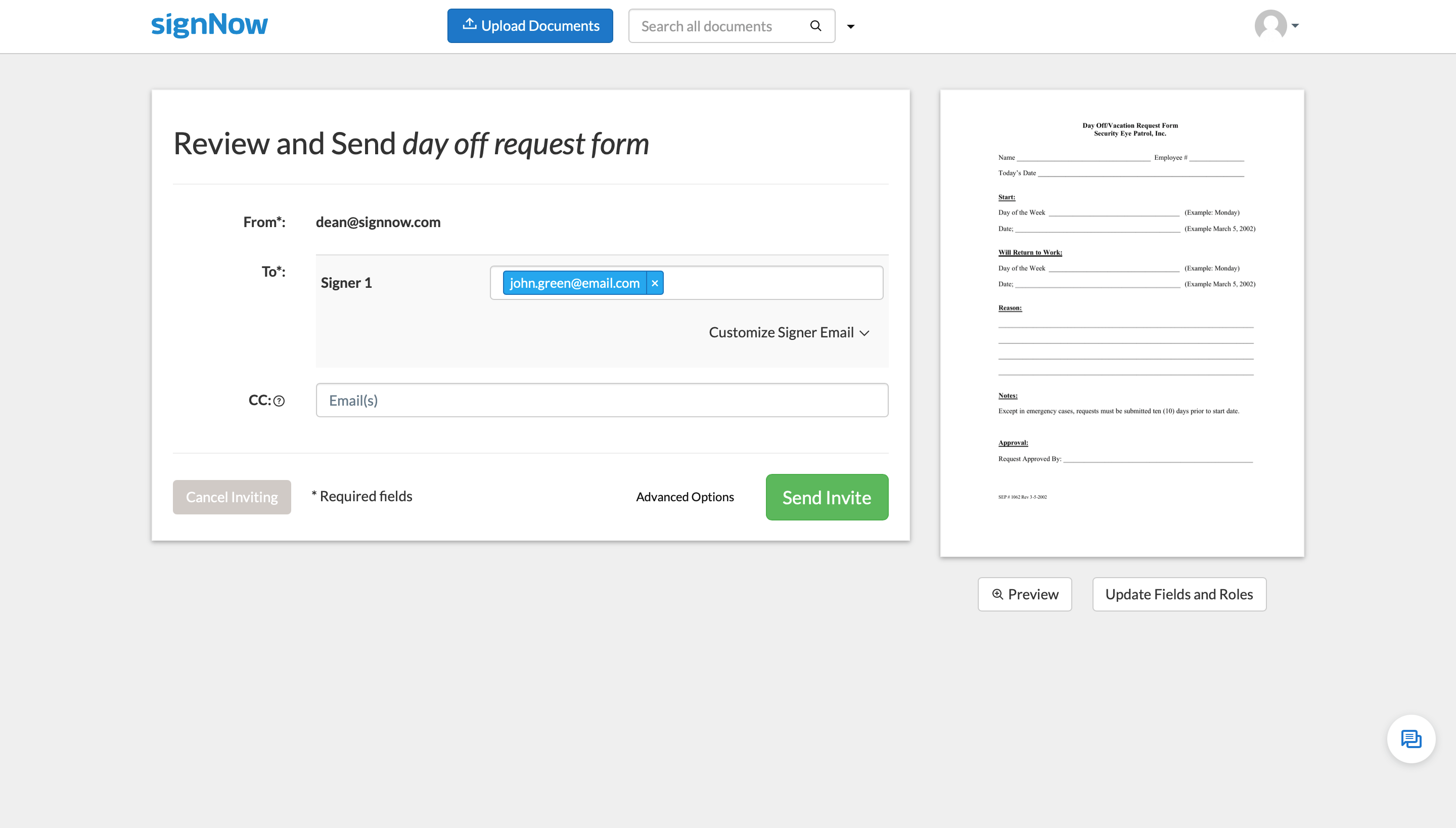
Una vez que hayas agregado todos los campos rellenables que necesitas, guarda y cierra el documento o envíalo para firmar haciendo clic en Invitar a firmar en la esquina superior derecha de la interfaz del editor. Finalmente, ingresa el correo del firmante, agrega destinatarios en CC si es necesario y haz clic en Enviar invitación.
Utilizamos cookies para mejorar la seguridad, personalizar la experiencia del usuario, potenciar nuestras actividades de marketing (incluida la colaboración con socios terceros o 3rd\u00a0party) y para otros usos comerciales. Haz clic\u00a0aquí\u00a0para leer nuestra Política\u00a0de cookies. Al hacer clic en “Aceptar“ aceptas el uso de cookies. ... Leer másLeer menos