Advantages and Disadvantages of Digital Signature: Quick Guide





We spread the word about digital transformation
signNow empowers users across every industry to embrace seamless and error-free eSignature workflows for better business outcomes.






Free 7-day trial. Choose the plan you need and try it risk-free.

Honest pricing for full-featured plans. airSlate SignNow offers subscription plans with no overages or hidden fees at renewal.

Enterprise-grade security. airSlate SignNow helps you comply with global security standards.
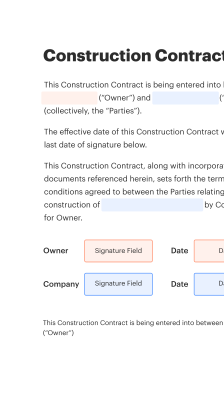

Place electronic signatures and send records in moments instead of hours. Our eSignatures have the identical legal power as wet-ink ones.

Take advantage of the signature tips function and improve your files without any concerns about the safety of your information.

Modify existing forms and save changes, and airSlate SignNow will immediately inform your entire crew that there are updated templates.

Place fillable areas, create or collect electronic signatures, get supplementary documents and payments, and discover different ways to boost your workflows.

Use airSlate SignNow API, the easiest way to create and collect eSignatures. Do so within your CRM systems, on your website, or even in specific apps.

Generate a public link for your template and collect signatures while not having to directly send your document to specific consumer email addresses.
Quick-start guide on how to use advantages and disadvantages of digital signature feature
Is your organization willing to decrease inefficiencies by about three-quarters or higher? With airSlate SignNow eSignature, weeks of contract negotiation become days, and hours of signature collecting turn into minutes. You won't need to learn everything from scratch thanks to the user-friendly interface and easy-to-follow guides.
Follow the steps below to use the advantages and disadvantages of digital signature functionality within a few minutes:
- Launch your browser and access signnow.com.
- Subscribe for a free trial run or log in utilizing your electronic mail or Google/Facebook credentials.
- Click User Avatar -> My Account at the top-right area of the webpage.
- Modify your User Profile with your personal data and adjusting configurations.
- Design and manage your Default Signature(s).
- Go back to the dashboard webpage.
- Hover over the Upload and Create button and choose the needed option.
- Click on the Prepare and Send button next to the document's title.
- Enter the name and email address of all signers in the pop-up screen that opens.
- Make use of the Start adding fields menu to proceed to edit file and self sign them.
- Click on SAVE AND INVITE when completed.
- Continue to configure your eSignature workflow using extra features.
It couldn't get any simpler to use the advantages and disadvantages of digital signature feature. It's accessible on your mobile devices as well. Install the airSlate SignNow app for iOS or Android and manage your custom eSignature workflows even while on the go. Skip printing and scanning, time-consuming filing, and expensive document delivery.
How it works


Electronic Signature Legality
Understanding the advantages and disadvantages of digital signatures
Digital signatures offer a variety of benefits that enhance the efficiency and security of document signing processes. One significant advantage is their ability to provide authenticity and integrity. When a document is signed digitally, it ensures that the signer's identity is verified, and any changes to the document after signing can be detected. This level of security is crucial for sensitive agreements and contracts.
However, there are disadvantages to consider. One potential drawback is the reliance on technology. If users lack access to the necessary devices or internet connectivity, they may face challenges in signing documents electronically. Additionally, some individuals may be unfamiliar with the technology, leading to a learning curve that could hinder adoption.
How to effectively use digital signatures
To maximize the benefits of digital signatures, it is essential to understand how to implement them within your workflow. Begin by selecting a reliable eSignature platform, such as airSlate SignNow, that meets your business needs. Once you have access, you can easily upload documents, fill out required fields, and send them for signature.
When preparing a document for eSigning, ensure that all parties are informed about the process. Clear communication can help alleviate any concerns regarding the technology and make the signing experience smoother. After receiving signed documents, utilize the platform's features to store and manage these files securely.
Legal considerations for digital signatures
In the United States, digital signatures are legally recognized under the Electronic Signatures in Global and National Commerce (ESIGN) Act and the Uniform Electronic Transactions Act (UETA). These laws establish that electronic signatures hold the same legal weight as traditional handwritten signatures, provided certain conditions are met. It is essential to ensure that the digital signature process complies with these regulations to maintain the enforceability of signed documents.
Additionally, different states may have specific rules regarding the use of digital signatures. Familiarizing yourself with these regulations can help ensure compliance and prevent potential legal issues.
Steps to complete a document using digital signatures
Completing a document with a digital signature involves a straightforward process. Start by uploading the document to your chosen eSignature platform. Next, identify the fields that require completion, such as names, dates, and signatures. Use the platform's tools to fill in these fields accurately.
Once the document is prepared, you can send it for signature. Enter the email addresses of the signers, and the platform will notify them to review and sign the document electronically. After all parties have signed, you will receive a final copy, which can be securely stored or shared as needed.
Security and compliance guidelines for digital signatures
Ensuring the security of digital signatures is paramount. When using an eSignature platform, look for features that provide encryption and secure storage. These measures protect sensitive information and maintain the integrity of signed documents.
Compliance with legal standards is also critical. Make sure that the platform you choose adheres to the relevant regulations, such as the ESIGN Act and UETA. Regular audits and updates to security protocols can further enhance compliance and safeguard against potential risks.
Risks of not using eSignatures properly
Failing to implement digital signatures correctly can lead to several risks. One major concern is the potential for fraud. Without proper verification processes, unauthorized individuals may sign documents, leading to disputes and legal challenges.
Additionally, not adhering to compliance regulations can result in the invalidation of signed documents. This situation can create complications in business transactions and damage trust between parties. Therefore, it is crucial to follow best practices when utilizing digital signatures to mitigate these risks.
 Best ROI. Our customers achieve an average 7x ROI within the first six months.
 Scales with your use cases. From SMBs to mid-market, airSlate SignNow delivers results for businesses of all sizes.
 Intuitive UI and API. Sign and send documents from your apps in minutes.
FAQs
Here is a list of the most common customer questions. If you can't find an answer to your question, please don't hesitate to reach out to us.
What are the main advantages and disadvantages of digital signature?
The advantages of digital signatures include enhanced security, faster document turnaround times, and reduced paper usage. However, some disadvantages may include the need for technology adoption and potential legal complexities in certain jurisdictions. Understanding these advantages and disadvantages of digital signature can help businesses make informed decisions.
How does airSlate SignNow address the disadvantages of digital signatures?
airSlate SignNow mitigates the disadvantages of digital signatures by providing user-friendly technology and comprehensive support. Our platform ensures compliance with legal standards, making it easier for businesses to navigate potential complexities. By addressing these disadvantages, we enhance the overall advantages of digital signature for our users.
What features does airSlate SignNow offer to maximize the advantages of digital signatures?
airSlate SignNow offers features such as customizable templates, real-time tracking, and secure cloud storage. These features maximize the advantages of digital signatures by streamlining workflows and improving efficiency. By leveraging these tools, businesses can fully benefit from the advantages of digital signature technology.
Is airSlate SignNow cost-effective compared to traditional signing methods?
Yes, airSlate SignNow is a cost-effective solution compared to traditional signing methods. By reducing the need for paper, printing, and postage, businesses can save signNowly on operational costs. This cost-effectiveness is one of the key advantages of digital signature solutions like airSlate SignNow.
Can airSlate SignNow integrate with other software to enhance its digital signature capabilities?
Absolutely! airSlate SignNow integrates seamlessly with various software applications, enhancing its digital signature capabilities. This integration allows businesses to streamline their processes and maximize the advantages of digital signatures across different platforms.
What industries can benefit from the advantages of digital signatures?
Many industries, including real estate, finance, and healthcare, can benefit from the advantages of digital signatures. These sectors often require secure and efficient document handling, making digital signatures an ideal solution. Understanding the advantages and disadvantages of digital signature in your industry can lead to better operational efficiency.
How secure are digital signatures compared to traditional signatures?
Digital signatures are generally more secure than traditional signatures due to encryption and authentication processes. They provide a higher level of security, reducing the risk of fraud and unauthorized access. This security is a signNow advantage of digital signatures, outweighing some of the disadvantages associated with their use.




airSlate SignNow is committed to protecting your sensitive information by complying with global industry-specific.
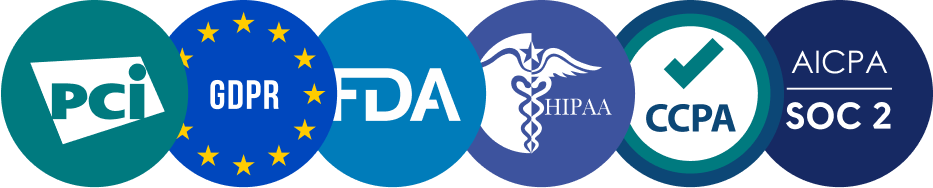
airSlate SignNow capabilities for advantages and disadvantages of digital signature
Enjoy the freedom of completing and signing paperwork electronically from any internet-connected device.


How to fill out and sign documents online
Getting advanced advantages and disadvantages of digital signature capabilities can be difficult unless you have a airSlate SignNow account. Our tool with a user-friendly interface enables you with the possibility to quickly complete and electronically sign any document via any device.
Follow the step-by-step guide to use the advantages and disadvantages of digital signature feature:
- Log in to the system or register for an account with airSlate SignNow.
- Click Upload or Create to import a file from your device, the cloud, or our form library.
- Open the sample and utilize the tools from Fill Out Myself left sidebar to complete the blanks.
- Place My Signature to eSign the doc by typing, drawing, or inserting an image of your signature.
- Drop extra fillable fields with assigned Roles for other people to complete.
- Click Save and Close or utilize the Invite to Sign button to request signatures from other parties.
When finished editing and using the advantages and disadvantages of digital signature feature, you can download your document, export it to your cloud storage, or quickly turn it into a reusable template. Save time and deal with your paperwork online with airSlate SignNow, from anywhere and whenever you need it!
Discover powerful features with airSlate SignNow
Oct 5, 2000 — Digital documents, such as mortgages, could have an active life of more than 30 years plus an additional three- to five-year retention life.
Product cost: A digital signer will require software that may well be more expensive than a simple pen, and may probably also have to pay a certification ...
Digital identity systems can provide better, tailored services, enhancing trust, accuracy, accessibility, security, and personalization for citizens.
