











We spread the word about digital transformation
signNow empowers users across every industry to embrace seamless and error-free eSignature workflows for better business outcomes.
completion rate of sent documents
average for a sent to signed document
out-of-the-box integrations
average number of signature invites sent in a week
users in Education industry
clicks minimum to sign a document
API calls a week

Free 7-day trial. Choose the plan you need and try it risk-free.

Honest pricing for full-featured plans. airSlate SignNow offers subscription plans with no overages or hidden fees at renewal.

Enterprise-grade security. airSlate SignNow helps you comply with global security standards.
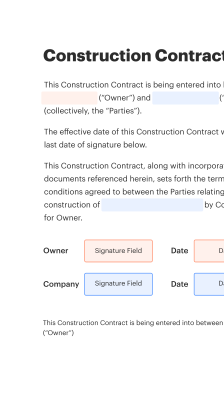

Place electronic signatures and send records in moments instead of hours. Our eSignatures have the identical legal power as wet-ink ones.

Take advantage of the signature tips function and improve your files without any concerns about the safety of your information.

Modify existing forms and save changes, and airSlate SignNow will immediately inform your entire crew that there are updated templates.

Place fillable areas, create or collect electronic signatures, get supplementary documents and payments, and discover different ways to boost your workflows.

Use airSlate SignNow API, the easiest way to create and collect eSignatures. Do so within your CRM systems, on your website, or even in specific apps.

Generate a public link for your template and collect signatures while not having to directly send your document to specific consumer email addresses.
Quick guide on how to use digital signature software requirements feature
Is your business ready to reduce inefficiencies by about three-quarters or even more? With airSlate SignNow eSignature, weeks of contract approval turn into days, and hours of signature collecting turn into a few minutes. You won't need to learn everything from the ground up due to the intuitive interface and easy-to-follow guides.
Take the following steps below to use the digital signature software requirements functionality in minutes:
- Open your browser and access signnow.com.
- Sign up for a free trial or log in utilizing your electronic mail or Google/Facebook credentials.
- Click on User Avatar -> My Account at the top-right corner of the page.
- Modify your User Profile with your personal data and changing configurations.
- Create and manage your Default Signature(s).
- Get back to the dashboard page.
- Hover over the Upload and Create button and choose the appropriate option.
- Click on the Prepare and Send button next to the document's name.
- Type the name and email address of all signers in the pop-up box that opens.
- Use the Start adding fields option to proceed to modify file and self sign them.
- Click SAVE AND INVITE when you're done.
- Continue to configure your eSignature workflow employing more features.
It can't be easier to use the digital signature software requirements feature. It's accessible on your smartphones as well. Install the airSlate SignNow application for iOS or Android and manage your custom-made eSignature workflows even while on the move. Forget printing and scanning, time-consuming filing, and expensive papers shipping.
How it works


What is the digital signature software requirements
The digital signature software requirements encompass the essential features and functionalities that enable users to create, manage, and verify electronic signatures. This software must comply with legal standards, ensuring that eSignatures are valid and enforceable under U.S. law. Key requirements include user authentication, document integrity, and a clear audit trail. These elements help to establish the identity of the signer and confirm that the document has not been altered after signing.
How to use the digital signature software requirements
To effectively use digital signature software, users should first familiarize themselves with the platform's interface. Begin by uploading the document that requires signatures. Users can then specify the signers and their signing order, if applicable. The software allows for the addition of fields for signatures, dates, and other necessary information. Once the document is set up, it can be sent for signature via email or shared through a secure link. Users can track the status of the document in real time, ensuring a smooth signing process.
Steps to complete the digital signature software requirements
Completing the digital signature process involves several straightforward steps:
- Upload the document that needs to be signed.
- Designate the recipients and their roles, such as signers or approvers.
- Add necessary fields for signatures, initials, and dates.
- Send the document for signature, either via email or a secure link.
- Monitor the signing status and receive notifications when all parties have signed.
- Download or store the completed document securely for future reference.
Legal use of the digital signature software requirements
Digital signatures are legally recognized across the United States, provided they meet specific criteria set forth by the Electronic Signatures in Global and National Commerce (ESIGN) Act and the Uniform Electronic Transactions Act (UETA). To ensure legal compliance, the digital signature software must provide features such as secure user authentication, consent to use electronic signatures, and a comprehensive audit trail that documents the signing process. This legal framework helps protect both signers and organizations from disputes regarding the validity of electronic signatures.
Security & Compliance Guidelines
When using digital signature software, security and compliance are paramount. Users should ensure the software adheres to industry standards for data protection, such as encryption and secure storage. Compliance with regulations like the General Data Protection Regulation (GDPR) and the Health Insurance Portability and Accountability Act (HIPAA) may also be necessary, depending on the nature of the documents being signed. Regular audits and updates to the software can help maintain compliance and protect sensitive information throughout the signing process.
Documents You Can Sign
Digital signature software can be used for a wide variety of documents, including but not limited to:
- Contracts and agreements
- Legal documents
- HR forms, such as employment contracts and onboarding paperwork
- Financial documents, including invoices and purchase orders
- Tax forms and compliance documents
This versatility allows businesses to streamline their workflows and reduce reliance on paper-based processes.
Sending & Signing Methods (Web / Mobile / App)
Digital signature software typically offers multiple methods for sending and signing documents. Users can access the platform via a web browser, mobile app, or desktop application. Each method provides a user-friendly interface for uploading documents and managing signatures. The mobile app allows users to sign documents on the go, ensuring that important agreements can be executed promptly. Notifications and reminders can also be set up to facilitate timely responses from signers, enhancing the efficiency of the signing process.
 Best ROI. Our customers achieve an average 7x ROI within the first six months.
 Scales with your use cases. From SMBs to mid-market, airSlate SignNow delivers results for businesses of all sizes.
 Intuitive UI and API. Sign and send documents from your apps in minutes.
Here is a list of the most common customer questions. If you can't find an answer to your question, please don't hesitate to reach out to us.
The basic digital signature software requirements include a secure internet connection, a compatible device such as a computer or mobile phone, and a valid email address. Additionally, users should ensure that their software is compliant with e-signature laws like ESIGN and UETA to ensure legality.
airSlate SignNow meets digital signature software requirements by providing a user-friendly interface that is compliant with international e-signature laws. It offers robust security features, including encryption and authentication, ensuring that all signed documents are legally binding and secure.
When evaluating digital signature software requirements, look for features such as multi-device compatibility, customizable templates, audit trails, and integration capabilities with other software. airSlate SignNow offers all these features, making it a comprehensive solution for businesses.
Yes, airSlate SignNow offers various pricing plans to cater to different business needs. The plans are designed to provide value while meeting digital signature software requirements, ensuring that businesses can choose an option that fits their budget and usage.
Absolutely! airSlate SignNow supports integration with numerous applications, including CRM systems, cloud storage services, and productivity tools. This capability helps businesses streamline their workflows and meet digital signature software requirements efficiently.
The benefits of using digital signature software include increased efficiency, reduced paper usage, and enhanced security. By meeting digital signature software requirements, businesses can expedite their document signing processes and improve overall productivity.
airSlate SignNow prioritizes security by implementing advanced encryption and authentication measures. This ensures that all documents signed through the platform meet digital signature software requirements and are protected against unauthorized access.




airSlate SignNow is committed to protecting your sensitive information by complying with global industry-specific.

Feel the freedom of completing and signing paperwork electronically from any internet-connected device.


How to complete and sign paperwork online
Locating powerful digital signature software requirements features can be challenging unless you have a airSlate SignNow account. Our tool with an intuitive interface enables you with the possibility to rapidly complete and eSign any document via any device.
Follow the step-by-step guide to use the digital signature software requirements functionality:
- Log in to the system or register for an account with airSlate SignNow.
- Click Upload or Create to import a file from your device, the cloud, or our form catalogue.
- Open the sample and use the tools from Fill Out Myself left sidebar to complete the blanks.
- Drop My Signature to eSign the doc by typing, drawing, or inserting an image of your signature.
- Drop additional fillable fields with assigned Roles for other parties to complete.
- Click Save and Close or utilize the Invite to Sign button to request signatures from other people.
When finished editing and ultizing the digital signature software requirements functionality, you can download your document, export it to your cloud storage, or easily turn it into a reusable template. Save time and deal with your paperwork online with airSlate SignNow, wherever you are and any time you need it!
Jun 22, 2023 — Qualified electronic signatures require the signer to use a qualified signature creation device, such as a mobile app, smart card, or USB ...See more
Nov 13, 2024 — Systems must ensure signature validity, prevent alteration, allow content/certification review, provide receipt, e-signature agreements, and ...
Jun 22, 2023 — Qualified electronic signatures require the signer to use a qualified signature creation device, such as a mobile app, smart card, or USB ...See more
