What is the esign compliance
eSign compliance refers to the adherence to legal standards and regulations governing electronic signatures in the United States. The Electronic Signatures in Global and National Commerce (ESIGN) Act and the Uniform Electronic Transactions Act (UETA) establish that electronic signatures hold the same legal weight as handwritten signatures. This compliance ensures that documents signed electronically are valid and enforceable in a court of law, providing businesses and individuals with confidence in their digital transactions.
How to use the esign compliance
Utilizing eSign compliance involves understanding the legal framework and implementing a reliable eSignature solution like airSlate SignNow. Users can create, send, and sign documents electronically while ensuring compliance with applicable laws. This includes obtaining consent from all parties involved, maintaining a secure environment for document storage, and ensuring that the eSignature process is clear and straightforward. By following these guidelines, businesses can effectively manage their electronic signing processes while remaining compliant.
Steps to complete the esign compliance
Completing the eSign compliance process involves several key steps:
- Ensure that all parties agree to use electronic signatures.
- Choose a compliant eSignature platform, such as airSlate SignNow, that meets legal standards.
- Create the document that requires signatures and upload it to the platform.
- Fill out the necessary fields and prepare the document for signing.
- Send the document to the intended signers for their electronic signatures.
- Once all signatures are obtained, securely store the signed document for future reference.
Legal use of the esign compliance
The legal use of eSign compliance is rooted in the recognition of electronic signatures as valid forms of consent. Under the ESIGN Act and UETA, electronic signatures must meet specific criteria to be considered legally binding. This includes the signer's intention to sign, consent to use electronic signatures, and the ability to retain a copy of the signed document. Businesses must ensure that their processes align with these legal requirements to avoid disputes and ensure enforceability.
Security & Compliance Guidelines
Maintaining security and compliance in the eSignature process is crucial. Users should implement the following guidelines:
- Use a secure eSignature platform that employs encryption and authentication measures.
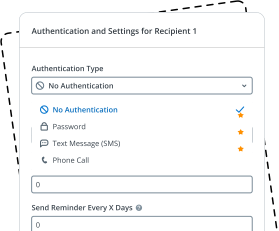
- Ensure that all signers are verified through secure methods, such as email verification or two-factor authentication.
- Store signed documents in a secure, compliant manner to protect sensitive information.
- Regularly review and update security protocols to align with evolving regulations and best practices.
Documents You Can Sign
With eSign compliance, a wide range of documents can be signed electronically. Common examples include:
- Contracts and agreements
- Employee onboarding forms
- Non-disclosure agreements (NDAs)
- Tax documents
- Surveys and feedback forms
Using airSlate SignNow, users can easily prepare and send these documents for electronic signature, streamlining the signing process while ensuring compliance.