What is the digital signature works
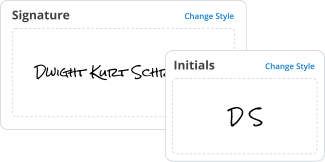
A digital signature is a cryptographic method used to verify the authenticity and integrity of a digital message or document. It functions similarly to a handwritten signature but offers enhanced security and verification capabilities. Digital signatures are created using a unique key pair: a private key, which is kept secure by the signer, and a public key, which is shared with others. This technology ensures that the document has not been altered after signing and confirms the identity of the signer.
How to use the digital signature works
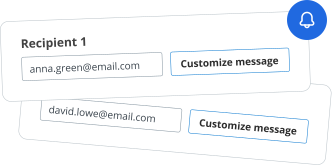
To use a digital signature, begin by preparing the document you wish to sign. Upload the document to airSlate SignNow, where you can easily fill out any required fields. Once the document is ready, you can request signatures from other parties by entering their email addresses. The recipients will receive a notification to review and sign the document electronically. After all signatures are collected, the completed document is securely stored and can be downloaded or shared as needed.
Steps to complete the digital signature works
Completing a digital signature process involves several straightforward steps:
- Upload the document to airSlate SignNow.
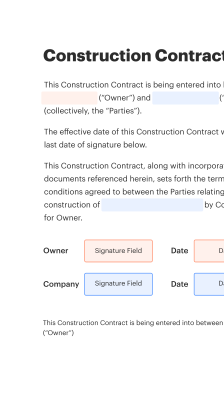
- Fill in any necessary fields, such as dates or names.
- Click on the option to add a digital signature.
- Choose to sign the document yourself or send it to others for their signatures.
- Review the document to ensure all information is correct.
- Finalize the signing process by clicking the appropriate button.
Once completed, the signed document is automatically saved in your account, ensuring easy access and management.
Legal use of the digital signature works
Digital signatures are legally recognized in the United States under the Electronic Signatures in Global and National Commerce (ESIGN) Act and the Uniform Electronic Transactions Act (UETA). These laws establish that electronic signatures hold the same legal weight as traditional handwritten signatures, provided that both parties consent to use electronic means for signing. It is important to ensure that the digital signature process complies with these regulations to maintain the validity of signed documents.
Security & Compliance Guidelines
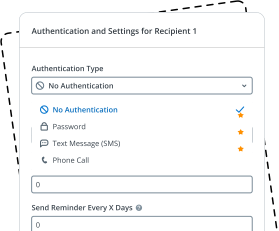
When using digital signatures, security and compliance are paramount. airSlate SignNow employs advanced encryption methods to protect documents during transmission and storage. Users should ensure that their accounts are secured with strong, unique passwords and enable two-factor authentication for added protection. Additionally, it is essential to maintain compliance with relevant regulations, such as the General Data Protection Regulation (GDPR) and the Health Insurance Portability and Accountability Act (HIPAA), when handling sensitive information.
Documents You Can Sign
Digital signatures can be applied to a wide variety of documents, including:
- Contracts and agreements
- Tax forms
- HR documents, such as employee onboarding forms
- Legal documents, including wills and powers of attorney
- Invoices and purchase orders
This versatility makes digital signatures an essential tool for businesses and individuals looking to streamline their document management processes.