What is the rental property agreement
A rental property agreement is a legally binding document that outlines the terms and conditions between a landlord and a tenant regarding the rental of a property. This agreement typically includes essential details such as the rental amount, payment schedule, duration of the lease, and responsibilities of both parties. It serves to protect the rights of both landlords and tenants, ensuring clarity and reducing the potential for disputes.
How to use the rental property agreement
Using a rental property agreement involves several key steps. First, landlords can customize the agreement to fit their specific property and rental terms. Once tailored, the document can be shared with potential tenants for review. After both parties agree to the terms, the document can be filled out electronically, allowing tenants to provide their information seamlessly. Finally, the agreement can be eSigned, ensuring both parties have a legally recognized copy of the document.
Steps to complete the rental property agreement
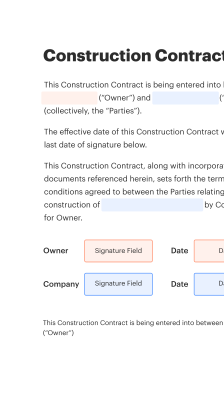
Completing a rental property agreement electronically is straightforward. Begin by accessing the document through an eSignature platform like airSlate SignNow. Next, fill in the required fields, including tenant details and rental terms. After completing the form, you can send it for signature to the tenant directly from the platform. Once the tenant reviews and signs the document, both parties will receive a copy for their records, ensuring that the agreement is securely stored and easily accessible.
Key elements of the rental property agreement
Several key elements should be included in a rental property agreement to ensure its effectiveness. These elements typically consist of:
- Property details: Address and description of the rental property.
- Lease term: Duration of the rental period, including start and end dates.
- Rent amount: Monthly rental payment and due dates.
- Security deposit: Amount required and conditions for its return.
- Responsibilities: Duties of both the landlord and tenant regarding maintenance and repairs.
- Termination conditions: Procedures for ending the lease and notice periods required.
Legal use of the rental property agreement
The rental property agreement must comply with local and state laws to be legally enforceable. It is essential for landlords to be aware of regulations governing rental agreements in their jurisdiction. This includes understanding tenant rights, eviction processes, and any specific requirements for disclosures. Utilizing an eSignature platform like airSlate SignNow ensures that the document is executed in accordance with legal standards, providing a secure and compliant method for signing.
Sending & Signing Methods (Web / Mobile / App)
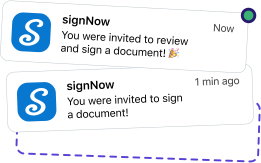
airSlate SignNow offers various methods for sending and signing the rental property agreement. Users can access the platform via web browsers, mobile devices, or dedicated apps. To send the agreement, landlords can upload the document and enter the tenant's email address. The tenant will receive a notification to review and sign the agreement electronically. This flexibility allows for convenient access and signing, making the process efficient and user-friendly.
Security & Compliance Guidelines
When handling rental property agreements electronically, security and compliance are paramount. airSlate SignNow employs advanced encryption and security measures to protect sensitive information. It is crucial to ensure that all parties involved understand the importance of safeguarding their personal data. Additionally, eSigned documents are legally recognized, provided they meet the necessary compliance standards, ensuring that the rental property agreement is both secure and valid.