Streamline Document Workflows with airSlate SignNow’s Wet Signed Copy Feature





We spread the word about digital transformation
signNow empowers users across every industry to embrace seamless and error-free eSignature workflows for better business outcomes.






Free 7-day trial. Choose the plan you need and try it risk-free.

Honest pricing for full-featured plans. airSlate SignNow offers subscription plans with no overages or hidden fees at renewal.

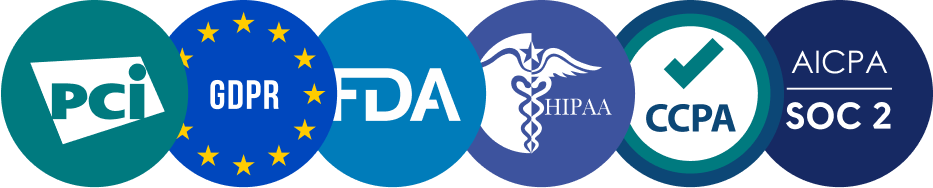
Enterprise-grade security. airSlate SignNow helps you comply with global security standards.
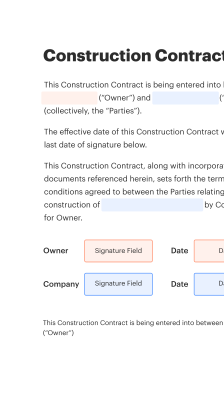

Place electronic signatures and send records in moments instead of hours. Our eSignatures have the identical legal power as wet-ink ones.

Take advantage of the signature tips function and improve your files without any concerns about the safety of your information.

Modify existing forms and save changes, and airSlate SignNow will immediately inform your entire crew that there are updated templates.

Place fillable areas, create or collect electronic signatures, get supplementary documents and payments, and discover different ways to boost your workflows.

Use airSlate SignNow API, the easiest way to create and collect eSignatures. Do so within your CRM systems, on your website, or even in specific apps.

Generate a public link for your template and collect signatures while not having to directly send your document to specific consumer email addresses.
Your complete how-to guide - wet signed copy
Self-sign documents and request signatures anywhere and anytime: get convenience, flexibility, and compliance.
How to Sign a Document Online with airSlate SignNow
Follow these steps to sign a document or send it for signing using airSlate SignNow, the leading eSignature solution that offers a wet signed copy option:
Steps to Sign a Document Online:
- Launch the airSlate SignNow web page in your browser.
- Sign up for a free trial or log in.
- Upload a document you want to sign or send for signing.
- If you're going to reuse your document later, turn it into a template.
- Open your file and make edits: add fillable fields or insert information.
- Sign your document and add signature fields for the recipients.
- Click Continue to set up and send an eSignature invite.
airSlate SignNow empowers businesses to send and eSign documents with an easy-to-use, cost-effective solution. With a great ROI, tailored for SMBs and Mid-Market, transparent pricing, and superior 24/7 support, airSlate SignNow stands out from other eSignature solutions.
Experience the benefits of airSlate SignNow today!
How it works


Electronic Signature Legality
What is the wet signed copy
A wet signed copy refers to a document that has been physically signed with a pen, resulting in a handwritten signature. This traditional method of signing is often required for certain legal documents, contracts, and agreements. While the wet signed copy holds significant value in many contexts, the rise of electronic signatures has provided a more efficient alternative for completing and managing documents.
How to use the wet signed copy
Using a wet signed copy typically involves several steps that can be streamlined with electronic tools. First, the document must be printed out for signing. Once signed, it can be scanned or photographed to create a digital version. This digital copy can then be stored securely or shared electronically. However, it is essential to ensure that the wet signed copy is stored in a manner that maintains its integrity and legal validity.
Steps to complete the wet signed copy
Completing a wet signed copy involves the following steps:
- Print the document that requires a signature.
- Sign the document in the designated area using a pen.
- Make a photocopy or scan the signed document to create a digital version.
- Store the original signed document securely, such as in a locked file cabinet.
- Use the digital version for sharing or record-keeping purposes.
Legal use of the wet signed copy
Wet signed copies are often required for documents that need to meet specific legal standards. Certain contracts, wills, and real estate transactions may mandate a physical signature to be considered valid. Understanding the legal implications of using a wet signed copy is crucial, as some jurisdictions may have specific requirements regarding the acceptance of electronic signatures versus traditional signatures.
Key elements of the wet signed copy
When dealing with a wet signed copy, several key elements must be present to ensure its validity:
- A clear, legible signature from the signer.
- The date of signing, which may be critical for legal timelines.
- Any necessary witness signatures, if required by law or the nature of the document.
- Proper identification of the parties involved, ensuring that the signers are who they claim to be.
Digital vs. Paper-Based Signing
While wet signed copies are traditional, digital signatures offer numerous advantages. Electronic signatures can be completed quickly and securely, eliminating the need for physical document handling. This method allows for faster processing times, easier storage, and improved accessibility. However, certain documents may still require a wet signed copy to meet legal standards, making it important to understand when each method is appropriate.
 Best ROI. Our customers achieve an average 7x ROI within the first six months.
 Scales with your use cases. From SMBs to mid-market, airSlate SignNow delivers results for businesses of all sizes.
 Intuitive UI and API. Sign and send documents from your apps in minutes.
FAQs
Here is a list of the most common customer questions. If you can't find an answer to your question, please don't hesitate to reach out to us.
What is a wet signed copy and how does it differ from electronic signatures?
A wet signed copy refers to a document that has been physically signed by hand, as opposed to an electronic signature. While wet signatures are traditional and often required for legal documents, airSlate SignNow provides a seamless way to manage both wet signed copies and electronic signatures, ensuring compliance and convenience.
Can I obtain a wet signed copy of a document after using airSlate SignNow?
Yes, you can obtain a wet signed copy of a document after it has been electronically signed using airSlate SignNow. The platform allows you to print or download the signed document, ensuring you have a physical copy for your records or legal purposes.
What are the pricing options for using airSlate SignNow for wet signed copies?
airSlate SignNow offers various pricing plans to accommodate different business needs, including options for managing wet signed copies. Each plan includes features that streamline the signing process, making it cost-effective for businesses of all sizes.
How does airSlate SignNow ensure the security of wet signed copies?
airSlate SignNow employs advanced security measures to protect all documents, including wet signed copies. With encryption, secure storage, and audit trails, you can trust that your signed documents are safe and compliant with industry standards.
What features does airSlate SignNow offer for managing wet signed copies?
airSlate SignNow provides features such as document tracking, reminders, and templates that simplify the process of obtaining wet signed copies. These tools enhance efficiency and ensure that you can easily manage both electronic and physical signatures.
Can airSlate SignNow integrate with other software to manage wet signed copies?
Yes, airSlate SignNow integrates with various software applications, allowing you to manage wet signed copies alongside your existing workflows. This integration capability enhances productivity and ensures a smooth transition between electronic and physical document management.
What are the benefits of using airSlate SignNow for obtaining wet signed copies?
Using airSlate SignNow for obtaining wet signed copies streamlines the signing process, reduces turnaround time, and minimizes paperwork. The platform's user-friendly interface and robust features make it easy to manage both electronic and wet signed documents efficiently.




airSlate SignNow is committed to protecting your sensitive information by complying with global industry-specific.
Discover powerful features with airSlate SignNow
Oct 18, 2023 — The only acceptable signatures for the Form I-983 are any of the following: Wet signature; Electronic signature from a software program ...
Jun 21, 2025 — This copying machine is called a wet copying machine, and it was a primitive copying machine in which originals were written on thin paper, ...See more
Sep 15, 2021 — The IRS allows taxpayers to use electronic or digital signatures on certain paper forms they cannot file electronically through December 31, 2021.
