What is the sign electronically
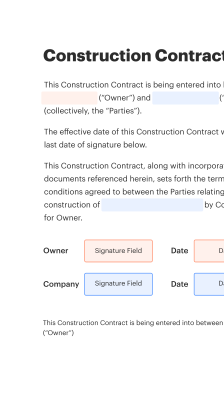
The term "sign electronically" refers to the process of signing documents in a digital format using electronic signatures, or eSignatures. This method allows individuals and businesses to authenticate their consent or approval on various documents without the need for physical signatures. Electronic signatures are legally recognized in the United States, making them a valid alternative to traditional pen-and-paper signing. They streamline workflows, reduce paper usage, and enhance the efficiency of document management.
How to use the sign electronically
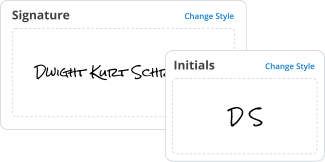
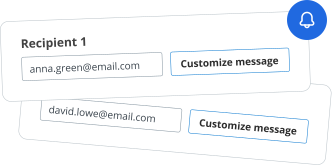
To sign electronically, users can follow a straightforward process. First, upload the document that requires a signature to the airSlate SignNow platform. Next, specify the areas where signatures are needed and add any other required fields, such as dates or initials. Once the document is prepared, users can send it for signature to the relevant parties via email. Recipients will receive a notification, allowing them to review and sign the document electronically. After all signatures are collected, the completed document is securely stored and can be easily accessed.
Steps to complete the sign electronically
Completing the sign electronically involves several key steps:
- Upload the document to the airSlate SignNow platform.
- Designate the signers and specify where they need to sign.
- Add any additional fields, such as text boxes for comments or dates.
- Send the document to the designated signers via email.
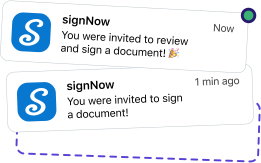
- Signers receive a notification and can access the document to complete their signatures.
- Once all parties have signed, the final document is generated and stored securely.
Legal use of the sign electronically
Electronic signatures are legally binding in the United States under the Electronic Signatures in Global and National Commerce (ESIGN) Act and the Uniform Electronic Transactions Act (UETA). These laws establish that eSignatures hold the same legal weight as traditional signatures, provided that all parties consent to use electronic methods. It is essential for users to ensure that their electronic signing processes comply with these regulations to maintain the validity of their signed documents.
Security & Compliance Guidelines
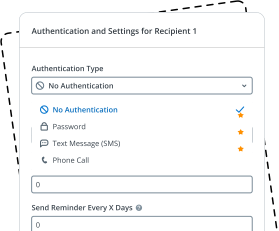
When signing electronically, security and compliance are paramount. Users should ensure that the platform they choose, such as airSlate SignNow, employs robust security measures, including encryption and secure storage. Compliance with regulations like the General Data Protection Regulation (GDPR) and the Health Insurance Portability and Accountability Act (HIPAA) is also crucial, especially for sensitive documents. Implementing multi-factor authentication can further enhance security by ensuring that only authorized individuals can access and sign documents.
Documents You Can Sign
Users can sign a wide variety of documents electronically, including but not limited to:
- Contracts and agreements
- Employment documents
- Tax forms
- Invoices and purchase orders
- Legal documents
- Consent forms
This flexibility allows businesses to streamline their operations and reduce the time spent on document management.
Sending & Signing Methods (Web / Mobile / App)
airSlate SignNow offers multiple methods for sending and signing documents electronically. Users can access the platform via web browsers, mobile devices, or dedicated applications. This versatility ensures that individuals can sign documents anytime, anywhere, whether they are in the office or on the go. The user-friendly interface allows for easy navigation, making the eSigning process efficient and accessible for all users.