Establishing secure connection…Loading editor…Preparing document…

Apology Letter

This template is fully customizable. Edit the text, fill out the fields, and send it for signature. Give it a try!
Apology Letter

What an Apology Letter Is and When it’s Used

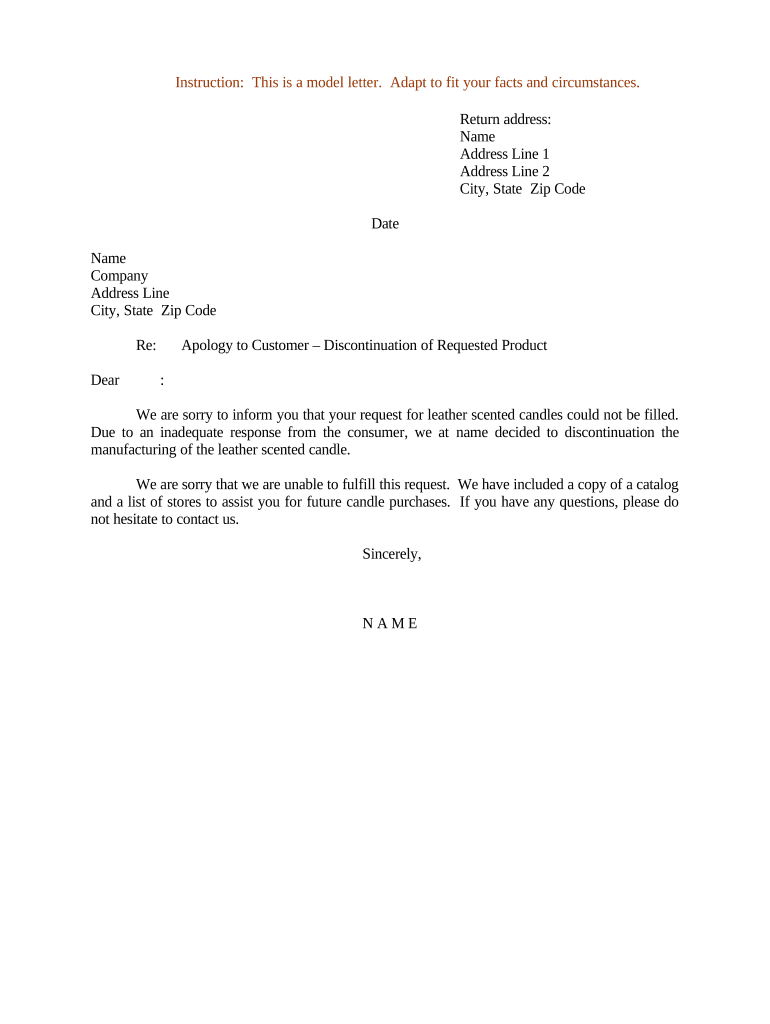
An Apology Letter is a written statement that acknowledges an error or harm, expresses regret, and outlines corrective steps or remediation. Businesses, professionals, and individuals use apology letters to repair relationships, document accountability, and reduce the risk of escalation or litigation. For many industries a clear, factual letter can help resolve disputes, preserve goodwill, and create a written record of remedial action and timelines. An Apology Letter is typically short, direct, and tailored to the recipient and the specific incident.

Why a Clear Apology Letter Matters

A concise apology letter documents intent, reduces ambiguity about responsibility, and records agreed remedies or next steps. It can de-escalate disputes and support compliance reviews where a written record of corrective action is beneficial.

Why a Clear Apology Letter Matters

Who Typically Sends or Receives an Apology Letter

Apology letters are used across personal and professional contexts to acknowledge mistakes and propose remediation.

  • Customers and clients who experienced service failures or product defects and expect a written acknowledgement.
  • Employees and managers issuing internal apologies for workplace errors or policy breaches.
  • Businesses, vendors, and contractors communicating contractual or operational mistakes to partners.

The recipient and tone vary by context; maintain factual language, avoid admissions beyond the facts, and record any promises made.

Essential Elements to Include in an Apology Letter

A professional apology letter balances clarity and responsibility. Include context, an expression of regret, acknowledgment of harm, corrective action, timeline, and contact details for follow-up.

Incident Summary

Concise description of what happened, including relevant dates and facts; avoid speculation and stick to verifiable details so the recipient understands the context.
Expression of Regret

A clear statement of apology using unambiguous language; say 'I apologize' or 'We apologize' rather than evasive phrasing to convey accountability.

Acknowledgment of Impact

Briefly acknowledge how the recipient was affected (inconvenience, loss, delay) to show you understand the consequences of the error.

Corrective Steps

Describe specific actions taken or planned to fix the issue, including who is responsible and any policy or process changes to prevent recurrence.

Timeline

Provide clear dates or timeframes for remediation, follow-up, or refunds so expectations are managed and measurable outcomes are possible.

Contact Information

Name, role, and direct contact details for a person who can answer questions and confirm completion of corrective steps.

Step-by-Step: Drafting and Sending an Apology Letter

Follow these sequential steps to draft, review, and deliver an effective apology letter that records remediation and reduces the chance of dispute escalation.

  • 01
    Draft: Write the facts, apology, and remedy.
  • 02
    Review: Legal or managerial review if sensitive.
  • 03
    Approve: Obtain signatory authority before sending.
  • 04
    Send: Deliver via agreed channel and retain proof.

How to Customize an Apology Letter Template Online

Configure a reusable template to reduce errors and maintain consistent tone while preserving flexibility for incident-specific details.

Field Configuration
Sender Block Auto-populate from user profile
Recipient Block Pull contact from CRM
Incident Field Make editable text area with 500-char limit
Signature Require authorized signer with date field

Where to Send or File an Apology Letter

Choose a delivery method that matches the relationship and ensures a verifiable record of delivery and receipt.

  • Email: Send to the recipient and CC a compliance mailbox
  • Certified Mail: Use when receipt acknowledgment is required
  • Customer Portal: Upload to the recipient’s account in your CRM
  • HR File: Retain a copy in the personnel or incident file

Distribution Channels and Technical Considerations

Select distribution channels that provide an auditable delivery record and preserve content integrity.

  • Email Delivery: Retains headers and timestamps
  • eSignature Platforms: Capture signature, IP, and audit trail
  • Physical Mail: Provides postal proof of notice

For sensitive or regulated matters, prefer channels that record identity and consent; maintain copies in secure storage for the applicable retention period.

Timelines and Expectations for Remediation and Follow-Up

Set clear, reasonable deadlines for corrective steps and follow-up communication to manage expectations and preserve documentation of compliance.

Initial Response:

Within 48–72 hours of confirming the incident

Remediation Plan:

Provide within 7–14 calendar days

Completion Notice:

Notify when corrective steps are complete

Final Closure:

Confirm resolution in writing once all tasks finish

Record Retention:

Keep correspondence per retention policy

Common Mistakes When Preparing an Apology Letter

  • Overstating facts or admitting liability beyond verified information, which can increase legal exposure and complicate resolution.
  • Using vague remediation commitments without dates or responsible parties, leaving recipients unsure whether promises will be fulfilled.
  • Omitting a point of contact or failing to include clear signature authority, which delays follow-up and verification.
  • Failing to preserve the sending and delivery record, reducing the evidentiary value of the apology in disputes.

Potential Risks of an Incorrect or Incomplete Apology Letter

Increased Liability: May arise from unintended admissions
Regulatory Scrutiny: Possible for industry breaches
Contract Exposure: Affects contractual obligations
Reputational Harm: Public disclosure risk
Dispute Escalation: Leads to litigation or arbitration
Record Gaps: Weakened evidence in reviews

Who Should Sign an Apology Letter

Authorized Representative

For organizations, the signatory should be someone with decision-making authority relevant to the issue, such as a manager or director. The signer's title and contact details should be included so recipients can verify authority and arrange follow-up.

Individual Sender

When issued personally, the individual responsible should sign and include their position or relationship to the affected matter. Clear identification ties the apology to corrective commitments and supports internal accountability.

Practical Examples Across Common Scenarios

These brief case examples show how Apology Letters are used in different contexts and what they commonly include.

Customer Service Case

A customer received a late shipment and damaged goods.

  • The company apologized, refunded shipping, and expedited replacement.
  • The firm recorded the incident, updated warehouse procedures, and confirmed completion in writing to close the complaint and prevent recurrence.

Employee Matter

An employee missed an important deadline impacting a client.

  • The manager issued a formal apology and outlined corrective training.
  • The letter summarized remedial steps, corrective coaching, and a monitoring plan; HR filed the letter in the employee record and followed up within two weeks.

eSignature Pricing and Feature Comparison for Signing an Apology Letter

Common eSignature vendors and core features to consider when sending signed apology letters; signNow is listed first per vendor comparison conventions.

signNow DocuSign Adobe Sign PandaDoc HelloSign
Starting Price $8/user/mo $15/user/mo $14/user/mo $19/user/mo $15/user/mo
Free Trial Yes, 7-day trial No No Yes, limited Yes, limited
Bulk Send Yes Yes Yes Yes No
Audit Trail Yes Yes Yes Yes Yes
HIPAA Compliant Yes Yes Yes No No

How to Update, Amend, or Retract an Apology Letter

Use a formal amendment process when changing previously issued statements to preserve clarity and the audit trail.

01

Assess Change:

Determine the reason and scope for revision.
02

Draft Amendment:

Prepare a short amendment referencing the original letter.
03

Review Internally:

Obtain legal or managerial sign-off if necessary.
04

Deliver Updated Letter:

Send to the same recipients with clear versioning.
05

Record Retention:

Keep both original and revised copies with timestamps.
06

If Retracting:

Issue a replacement statement explaining the reason.

FAQs: Common Questions About Apology Letters

Answers to typical questions about drafting, signing, and storing apology letters, plus practical tips for avoiding common pitfalls.


Need help? Contact support

be ready to get more
Join over 28 million airSlate SignNow users