Establishing secure connection…Loading editor…Preparing document…

Contract Agreement Form

This template is fully customizable. Edit the text, fill out the fields, and send it for signature. Give it a try!
Contract Agreement Form

What the Contract Agreement Form Is and when it’s used

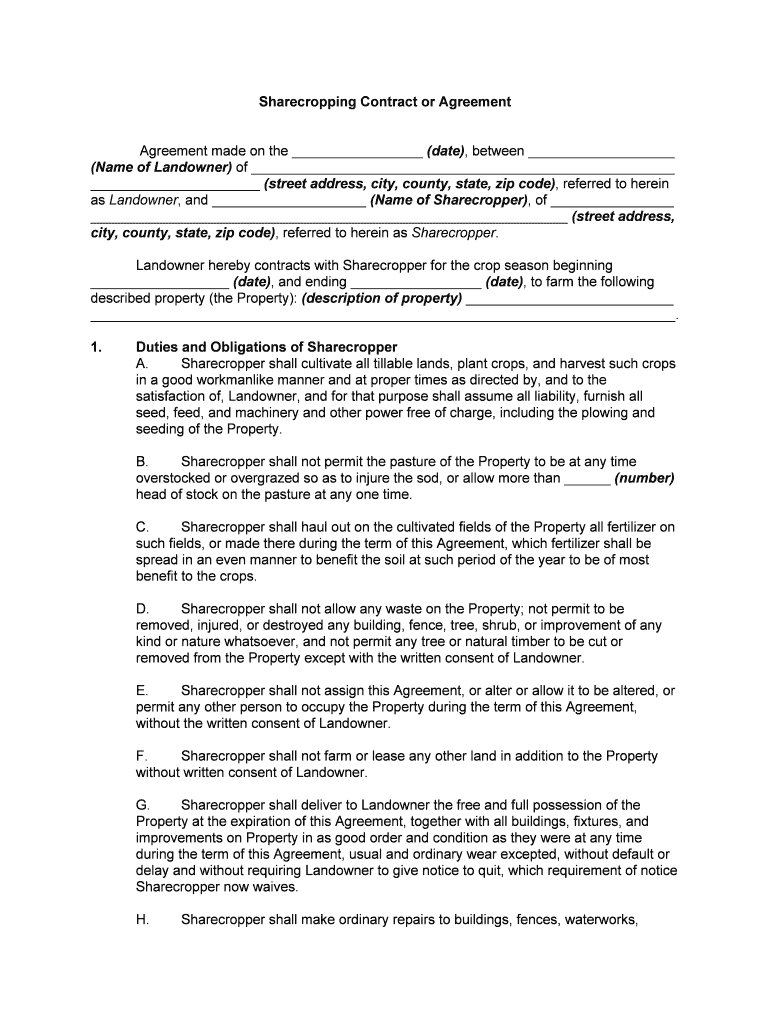
A Contract Agreement Form is a written record that documents mutual promises between parties, describing obligations, timelines, payment terms, and remedies for breach. It creates an enforceable obligation when signed by authorized parties and can be executed on paper or electronically under U.S. law. Typical contract agreements include effective date, parties, scope of work, consideration, confidentiality, termination, and signature blocks. This guide explains components, completion steps, eSignature considerations, and retention rules relevant to U.S. transactions.

Why a clear Contract Agreement Form matters

A well-prepared contract reduces ambiguity, sets expectations, allocates risk, and improves enforceability. It helps avoid disputes, supports regulatory compliance, and documents remedies and notice procedures in case performance fails.

Why a clear Contract Agreement Form matters

Who commonly prepares or signs contract agreement forms

Different roles prepare, review, and sign agreements depending on organization size and industry.

  • Real estate brokers, landlord/tenant representatives, and closing agents who execute leases, purchase contracts, and vendor agreements.
  • In-house counsel, outside attorneys, and contract managers who draft clauses, review risk allocation, and negotiate terms.
  • Procurement officers, finance teams, and vendor representatives who approve payment, delivery schedules, and performance metrics.

Ensure each signer is authorized and that signatory authority is documented to avoid challenges to validity.

Step-by-step: completing and executing the form

Follow these sequential steps to prepare a clear, enforceable contract and complete signing using a secure eSignature workflow.

  • 01
    Prepare draft: Populate parties, scope, consideration, and termination terms.
  • 02
    Review clauses: Confirm indemnities, warranties, and liability caps are appropriate.
  • 03
    Set signing order: Define signer roles and any conditional fields.
  • 04
    Execute: Obtain signatures and record the audit trail and final PDF.

Common questions and practical answers

Answers to frequent concerns about validity, signatures, notarization, amendments, and recordkeeping for contract agreement forms.


Need help? Contact support

Security and compliance essentials for electronically stored contracts

Encryption in transit: TLS 1.2/1.3
Encryption at rest: AES-256
Audit trail: Timestamped action history
Certifications: SOC 2 Type II
Healthcare standard: HIPAA (BAA required)
Electronic signature law: ESIGN and UETA compliance

Penalties and legal risks to avoid

1099 Late Filing: Penalties up to $330/form (IRC §6721)
I-9 Paperwork: Violations $281–$2,789 (8 C.F.R. §274a.2)
Intentional Misconduct: No cap for intentional disregard (IRC §6721)
Breach Liability: Damages, injunctive relief possible
Invalid Signature: Enforceability challenges in court
Missing Retention: Regulatory fines or discovery issues

Frequent preparation mistakes to avoid

  • Using incomplete party names or nicknames that do not match legal registrations, which complicates enforcement and verification.
  • Failing to specify clear payment terms and milestones, leading to disputes about performance and late-payment interest.
  • Attaching exhibits without labeling or executing them by reference, which can render terms ambiguous or unenforceable.
  • Overlooking signature authority for corporate signers; certificates of incumbency or board resolutions are often required.

Essential components every contract agreement form should include

A professional contract includes standard sections that clarify responsibilities, timelines, payments, and dispute resolution; each element reduces ambiguity and supports enforcement.

Parties

Clearly identify each contracting party by legal name, entity type, and principal place of business; include organizational details for corporations or LLCs to prevent identity disputes.
Recitals

A brief factual background that frames the purpose of the agreement and the relationship between parties without creating independent obligations.

Definitions

Define key terms used throughout the agreement to ensure consistent interpretation and reduce ambiguity in obligations and timelines.

Terms and Scope

Specify deliverables, milestones, performance standards, and termination rights, including notice periods and cure opportunities for breaches.

Payment

State price, invoicing frequency, due dates, late fees, and any retainers or escrow arrangements tied to performance metrics.

Signatures

Signature blocks with printed name, title, date, and any witness or notary lines where required by law or party agreement.

Configuring a digital signing workflow

Typical workflow settings ensure secure authentication, correct field behavior, and automated reminders for timely completion.

Field Configuration
Authentication Email link, SMS code, or KBA
Conditional Fields Show or hide fields based on answers
Reminders Set recurrence and escalation cadence
Signing Order Sequential or parallel signer flow

Digital signing and sharing considerations

Choose a platform that supports required authentication, document formats, and integration with your systems.

  • File formats: PDF, Word DOCX, HTML, Excel
  • Integrations: Salesforce, NetSuite, Google Workspace
  • Authentication: Email link, SMS code, or advanced methods

Confirm the platform meets compliance needs (HIPAA, 21 CFR Part 11) and supports audit trails and secure exports.

Representative eSignature vendor comparison for contract execution

Common commercial criteria for selecting an eSignature vendor; signNow appears first per platform comparison best practices.

signNow DocuSign Adobe Sign PandaDoc HelloSign
Starting Price $8/user/mo $15/user/mo $14/user/mo $19/user/mo $15/user/mo
Free Trial 7-day free trial Varies Varies Varies Varies
Bulk Send Yes Yes Yes Yes No
Audit Trail Yes Yes Yes Yes Yes
HIPAA Compliant Yes Yes Yes No No

Real-world examples of contract agreement usage

Practical examples show how teams use contracts to close deals, manage risk, and comply with regulatory requirements.

Optica Ventures (Operations)

Optica used standardized contract templates to speed deal review

  • Reduced back-and-forth by clarifying payment milestones
  • Outcome: smoother vendor onboarding and clearer accountability for deliverables.

Fertility Centers of Illinois (Healthcare)

The clinic standardized service agreements and BAAs for vendors handling PHI

  • Added specific HIPAA provisions and signature attestations
  • Result: consistent compliance language and auditable records for patient data sharing.

Practical tips for accurate and efficient completion

Follow these best practices to reduce errors, speed approval, and create enforceable records.

Use consistent names
Match legal entity names to formation documents and supporting IDs to prevent identity disputes.
Standardize templates
Maintain approved clauses for indemnity, limitation of liability, and termination to reduce negotiation time.
Document authority
Attach board resolutions or incumbency certificates when entity signers lack clear signature authority.
Capture audit trail
Ensure the platform records timestamps, IPs, and signer identity verification steps.

Common timing considerations and deadlines

Identify key dates and deadlines in the contract: effective date, performance milestones, notice periods, and termination windows.

Effective Date:

Set as MM/DD/YYYY to avoid ambiguity about when obligations begin.

Payment Due Dates:

Specify net terms (Net 30, Net 45) and late fee calculations.

Notice Periods:

Define delivery method and days required for breach or termination notices.

Performance Milestones:

Tie payments to verifiable deliverables and acceptance criteria.

Renewal Deadlines:

State automatic renewal terms and opt-out notice windows.

Key milestones from drafting to archival

A sequential milestone view helps teams plan review, signature capture, and post-execution storage steps.

01

Draft Completion

Finalize terms, exhibits, and internal approvals before external review.

02

Legal Review

In-house or outside counsel reviews and negotiates high-risk clauses.

03

Execution

All parties sign; capture eSignature audit trail.

04

Record and Store

Save final executed PDF in secure repository with retention metadata.

be ready to get more
Join over 28 million airSlate SignNow users