Establishing secure connection…Loading editor…Preparing document…

Florida Commercial Contract

This template is fully customizable. Edit the text, fill out the fields, and send it for signature. Give it a try!
Florida Commercial Contract

What a Florida Commercial Contract Is and When It Applies

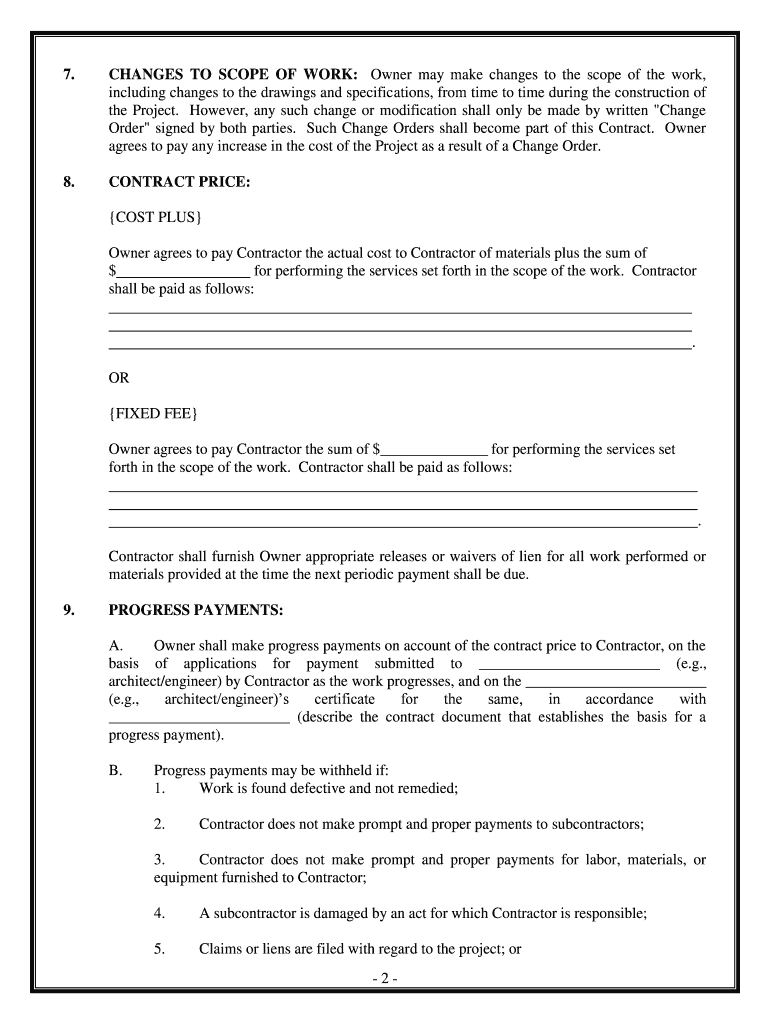
A Florida Commercial Contract is a written agreement used by businesses to set terms for commercial transactions performed in or governed by Florida law. It typically covers parties, scope of services or goods, payment, liability, warranties, indemnities, and dispute resolution. While many commercial contracts remain valid without notarization, certain instruments (for example, deeds or financing statements) have specific notarization or witness requirements. This guide explains the contract’s structure, essential fields, state-specific variations, eSigning and retention considerations so you can complete and manage the agreement correctly.

Why a Clear, Complete Commercial Contract Matters

A well-drafted Florida Commercial Contract reduces ambiguity, allocates risk, and creates enforceable obligations between businesses. Precise terms help avoid disputes, speed transactions, and support regulatory compliance where statutes or industry rules apply.

Why a Clear, Complete Commercial Contract Matters

Who Commonly Prepares or Signs These Agreements

Commercial contracts are used across organizations of different sizes — from in-house counsel to sales and procurement teams who negotiate and finalize terms.

  • Real estate and property managers who contract for leases, services, and improvements.
  • Healthcare administrators and vendors handling service, supply, or data-sharing agreements.
  • Finance and procurement teams finalizing purchase orders, vendor contracts, and payment terms.

Signers typically include authorized corporate officers, procurement officers, or delegated agents; confirm signing authority before execution to avoid enforceability issues.

Step-by-Step: Completing a Florida Commercial Contract

Follow these sequential steps to prepare and finalize the agreement responsibly and consistently.

  • 01
    Collect party details: Enter full legal names, entity type, and addresses for each party.
  • 02
    Define scope: Describe deliverables, timelines, and acceptance criteria clearly.
  • 03
    Set payment terms: Specify amounts, invoicing cadence, and late payment remedies.
  • 04
    Finalize signatures: Confirm signer authority, authentication method, and signature dates.

Essential Clauses Every Florida Commercial Contract Should Include

These primary contract elements define obligations, allocate risk, and set mechanisms for performance and disputes.

Parties

Identifies contracting entities, legal status (corporation, LLC, individual), and contact details so obligations attach to the correct legal persons.
Scope of Work

Describes services or goods, deliverables, milestones, and acceptance criteria to avoid later disputes over performance expectations.

Payment Terms

Specifies amounts, due dates, invoicing procedures, interest on late payments, and any retainage or holdbacks.

Representations & Warranties

Sets factual assurances and promises by each party, including authority, compliance with law, and non-infringement.

Indemnity & Liability

Allocates risk for third-party claims, caps liability where appropriate, and clarifies insurance requirements if applicable.

Termination & Remedies

Explains cause-based termination, cure periods, and available remedies including injunctive relief and damages.

Key Compliance and Security Details to Record

ESIGN / UETA: 15 U.S.C. §7001; UETA-adopted states
HIPAA BAA: Required for PHI exchange
Encryption: TLS 1.2/1.3; AES-256
Audit Trail: Timestamped signer events
SOC 2: Controls and availability
21 CFR Part 11: FDA-regulated records option

How to Configure an Electronic Signing Workflow

Map fields and routing rules before sending to ensure signers receive the correct sequence and authentication levels.

Field Configuration
Signature Field Assign to specific signer; require date
Initials Field Place adjacent to key clauses
Conditional Field Show only if option selected
Routing Order Set sequential or parallel signer flow

Typical eSigning Flow for a Commercial Contract

Electronic signing follows a repeatable sender-to-signer process; configure authentication and retention during setup.

  • Upload Document: Prepare final PDF or DOCX file.
  • Place Fields: Add signature, date, and data entry fields.
  • Set Authentication: Select email, SMS, or stronger methods.
  • Send and Track: Monitor status and retrieve signed copy.

Digital Signing and Integration Considerations

Confirm that your chosen eSignature platform supports required authentication, file formats, and retention policies before sending.

  • File Formats: PDF, DOCX, HTML supported
  • Integrations: Salesforce, NetSuite, Google Workspace
  • Authentication: Email, SMS, or KBA

For regulated data, ensure the provider offers HIPAA BAA, SOC 2 controls, and exportable audit trails to meet legal and corporate retention needs.

Primary Risks of an Incorrect or Incomplete Contract

Name Mismatch: May impair enforceability
Missing Signature: Can render agreement voidable
Incorrect Dates: Affects performance obligations
No Notarization: Impacts recordability for deeds
Tax Reporting Errors: Can trigger IRS penalties
Unauthorized Signer: May expose parties to liability

Common Preparation Mistakes to Avoid

  • Using informal or abbreviated entity names that differ from state registration records, which creates confusion in enforcement and service of process.
  • Leaving payment mechanics vague — omit deadlines, invoicing addresses, and remedies for late payment increases the chance of disputes.
  • Overlooking required attachments such as insurance certificates, exhibits, or escrow instructions that the agreement makes part of the contract.
  • Failing to confirm signing authority and title of corporate signers, which can lead to challenges about whether the contract was validly executed.

Key Timeframes to Record in the Contract

Explicit dates and notice periods reduce ambiguity; include performance deadlines, notice windows, and payment due dates.

Effective Date:

Date when obligations commence; use MM/DD/YYYY format

Payment Due Dates:

Specify net terms (e.g., Net 30) and invoice acceptance window

Delivery Deadlines:

State precise delivery or milestone dates

Notice Periods:

Define how many days for cure or termination notices

Warranty Periods:

Spell out length and start date for warranty obligations

Real-World Examples of Electronic Contract Execution

These brief examples show how organizations handle execution and compliance while using digital workflows.

Optica Ventures

Optica adopted online execution to streamline customer signoff

  • They prioritized a simple interface for external parties
  • The result improved turnaround and reduced in-person meetings while maintaining record integrity and audit trails.

Martin Properties

Martin Properties moved leases and contractor contracts online

  • The team used mobile signing for field-based approvals
  • This allowed compliant execution from any device and reduced administrative delays on closings and project starts.

eSignature Pricing and Feature Comparison Relevant to Commercial Contracts

Compare starting costs and key capabilities for common eSignature vendors; signNow is listed first per platform configuration and pricing differences.

signNow DocuSign Adobe Sign PandaDoc HelloSign
Starting Price $8/user/mo $15/user/mo $14/user/mo $19/user/mo $15/user/mo
Free Trial 7-day free trial Varies by plan Varies by plan Varies by plan Varies by plan
Bulk Send Yes Yes Yes Yes No
Audit Trail Yes Yes Yes Yes Yes
HIPAA Compliant Yes Yes Yes No No
Envelope Cap No envelope cap 100 envelopes/user/year Varies Varies Varies

Frequently Asked Questions About Florida Commercial Contracts and eSigning

Answers to common legal and technical questions about electronic execution, notarization, and maintaining enforceable records.


Need help? Contact support

be ready to get more
Join over 28 million airSlate SignNow users