Elements of Offense
Set out each statutory or common-law element precisely so jurors can match evidence to specific legal requirements and avoid conflating separate elements.
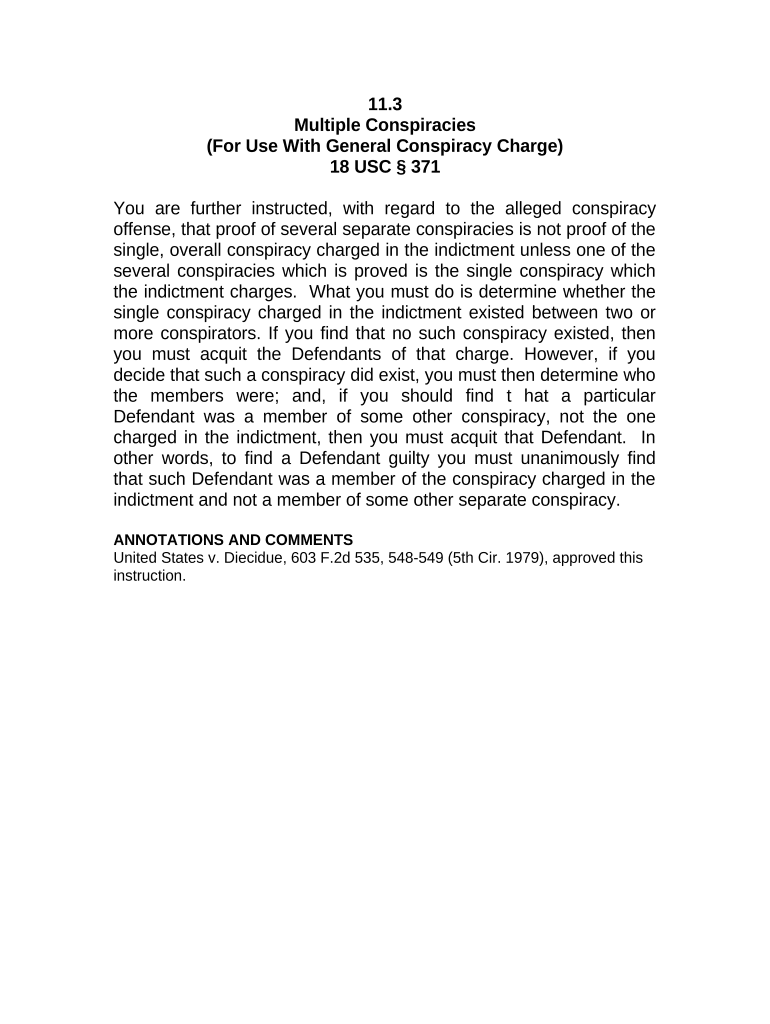
A precise jury instruction reduces confusion, limits reversible error on appeal, and supports lawful, consistent verdicts by ensuring jurors understand legal elements, standards of proof, and available verdict options.

Multiple courtroom participants prepare and use the charge at different stages, from drafting to delivery to the jury.
The judge authorizes, edits, and formally delivers the final charge; the judge is responsible for ensuring legal accuracy and for ruling on any objections before the jury is instructed.
Counsel for each party drafts proposed instructions, responds to opposing submissions, and places formal objections on the record to preserve appellate issues related to instruction wording.
Set out each statutory or common-law element precisely so jurors can match evidence to specific legal requirements and avoid conflating separate elements.
State whether proof is beyond a reasonable doubt or preponderance of the evidence and explain the practical meaning of the chosen standard.
Provide plain-language definitions for legal terms and technical concepts that jurors will apply when evaluating testimony and exhibits.
Include clear verdict forms and alternatives (guilty/not guilty, special verdicts, or misdemeanor/felony splits) so jurors can record decisions unambiguously.
If causation or proximate cause is at issue, include stepwise guidance that ties evidence to each causal element the law requires.
List any statutory or jury-consideration factors (sentencing-related or otherwise) that jurors may consider consistent with applicable law.
| Field | Configuration |
|---|---|
| Version Control | Track edits and preserve redline history |
| Reviewer Permissions | Role-based access for judge and counsel |
| Signature Capture | Support judge signature and recorded consent |
| Certificate of Service | Auto-generate served-on timestamps |
Use a platform that supports court e-filing formats, audit trails, and role-based access to meet court administrative and evidentiary expectations.
Often due before trial or at the pretrial conference
Objections must be placed on the record before the charge is finalized
Judge typically reads or provides written charge at close of evidence
Provide jury with clear written verdict options at deliberation
Ensure transcribed charge and exhibits are included in the official record
Counsel prepares proposed instructions and cites authority.
Judge and counsel meet to narrow disputes and resolve wording.
Final charge filed with clerk and copies served on counsel.
Judge reads charge and provides written forms to jurors.
A county judge adopted standardized burden-of-proof language to reduce confusion among jurors.
Parties submitted competing special interrogatories to clarify causation issues.
| signNow | DocuSign | Adobe Sign | PandaDoc | HelloSign | |
|---|---|---|---|---|---|
| Starting Price | $8/user/mo | $15/user/mo | $14/user/mo | $19/user/mo | $15/user/mo |
| Free Trial | Yes, 7-day free trial | Varies by offer | Varies by offer | Yes, limited trial | Yes, limited trial |
| Bulk Send | Yes | Yes | Yes | Yes | No |
| Audit Trail | Yes | Yes | Yes | Yes | Yes |
| HIPAA Compliant | Yes | Yes | Yes | No | No |