Rent Structure
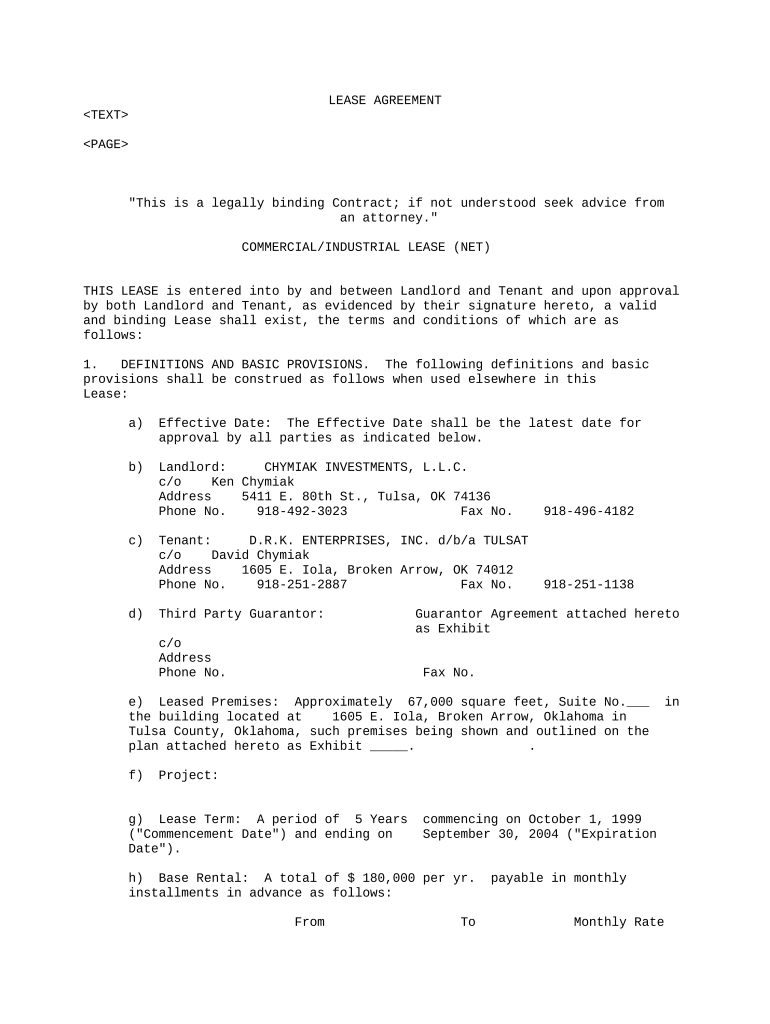
Defines base rent, escalation method (CPI or fixed increments), additional rent categories (taxes, insurance, common area maintenance), and how late fees or interest apply.
A clear, well-drafted lease reduces business risk, limits disputes, and creates enforceable expectations for rent, maintenance, and termination. It also helps both parties comply with zoning, environmental, and insurance requirements that are especially important for industrial uses.

Landlords, tenants, property managers, commercial brokers, and company legal or facilities teams are the typical participants in creating and executing a commercial industrial lease.
Collaboration among these roles ensures the lease reflects operational realities and legal protections for both parties.
A property manager typically executes on behalf of an institutional landlord or asset manager. They coordinate maintenance, enforce lease terms, collect rent, and act as the landlord's operational contact; their signature binds the landlord if authorized by corporate resolution.
The tenant's facilities director signs for operational compliance and premises needs. They confirm the space meets tenant requirements, negotiate build-out allowances, and ensure business operations align with lease obligations before signing.
Defines base rent, escalation method (CPI or fixed increments), additional rent categories (taxes, insurance, common area maintenance), and how late fees or interest apply.
Specifies initial term length, renewal options, rent adjustments on renewal, and early termination rights or penalties if either party needs to end the lease early.
Limits permitted uses, requires landlord consent for structural changes or hazardous operations, and sets rules for tenant improvements, fencing, and utility installations.
Allocates responsibilities for roof, structural systems, HVAC, and site upkeep; details response times and cost-sharing for major capital repairs.
Requires minimum insurance levels, naming rights for additional insureds, waiver of subrogation clauses, and mutual indemnity language to allocate liability risks.
Addresses hazardous materials, remediation obligations, access for inspections, reporting duties, and compliance with environmental laws and permits for industrial operations.
| Field | Configuration |
|---|---|
| Document Upload | Upload final PDF or DOCX with exhibits attached |
| Signature Fields | Place signature, initials, and date fields for each party |
| Signer Authentication | Choose email, SMS code, or ID verification as needed |
| Routing Order | Set sequential or parallel signing as the deal requires |
Use an eSignature platform that supports common file formats, strong audit trails, and industry integrations to streamline execution.
Confirm the platform meets any regulatory requirements for your industry (for example HIPAA for healthcare-adjacent facilities) and preserves detailed audit logs.
Date lease term begins and rent obligation starts
Recurring monthly or quarterly payment schedule
State law or lease-specific timing for deposit disposition
Cure period and notice timing set by lease
Last day tenant may timely exercise option
Agreed terms and signatures pending final review
Authorized signatures obtained and copies distributed
Build-out work completed per approved specs
Keys delivered and operations commence
They streamlined signatures for multiple tenants across properties
Handled complex build-outs and tenant improvements online
| signNow | DocuSign | Adobe Sign | PandaDoc | HelloSign | |
|---|---|---|---|---|---|
| Starting Price | $8/user/mo | $15/user/mo | $14/user/mo | $19/user/mo | $15/user/mo |
| Free Trial | 7-day free trial | Varies | Varies | Varies | Varies |
| Bulk Send | Yes | Yes | Yes | Yes | No |
| Audit Trail | Yes | Yes | Yes | Yes | Yes |
| HIPAA Compliant | Yes | Yes | Yes | No | No |