Case Caption
Begin with the case caption and docket number at the top; courts rely on precise identification to associate the letter with the correct file and judge.
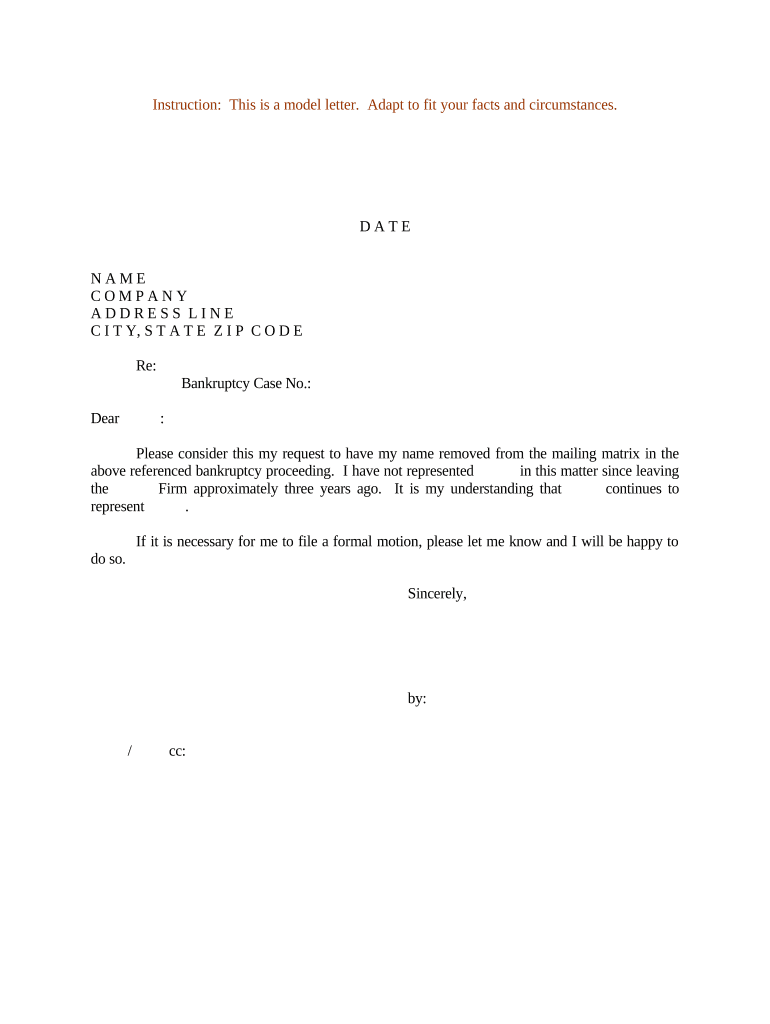
A Letter to a Judge provides a concise mechanism to present facts, context, or personal perspective to assist judicial decision-making. When properly prepared it clarifies circumstances, documents relevant evidence, and can influence procedural or sentencing outcomes within the bounds of court rules.

Typical authors include attorneys, self-represented litigants, and third parties submitting character or factual letters to the court.
Begin with the case caption and docket number at the top; courts rely on precise identification to associate the letter with the correct file and judge.
Address the letter to the presiding judge using formal title and include the court name, division, and hearing date when applicable for clear routing.
Open with a single paragraph stating the letter’s purpose—what you seek or the information provided—so the judge can quickly grasp the intended relief or context.
Provide concise, corroborated facts only; attach exhibits or affidavits where required, reference each supporting exhibit by letter or number, and explain relevance briefly without legal argument.
Use respectful, neutral language; avoid inflammatory or repetitive statements. Keep the letter focused—typically one to two pages—while using appendices or exhibits for supporting documents to avoid excessive main-text length.
Include printed name, title or relationship to the parties, contact information, and a handwritten or electronically executed signature with the typed date immediately following and a daytime phone number for clerk follow-up.
| Field | Configuration |
|---|---|
| File format | Upload PDF/A file for stable archival and court compatibility |
| Signature method | Use typed or drawn signature with audit trail and timestamp |
| Authentication | Email link or SMS code; consider KBA for added proof |
| Routing | Route to clerk, opposing counsel, and case file storage automatically |
| Retention | Store copy with audit trail for at least required retention period |
Digital submission options vary by court; ensure platform supports required document formats, secure transmission, and audit logs.
File before the clerk’s cutoff for the hearing date.
Often due several days before sentencing; verify judge instructions.
Follow local emergency filing procedures and obtain leave for ex parte submissions.
Opposing parties may be entitled to respond per court timetable.
Serve all parties under rule or local practice before filing.