Establishing secure connection…Loading editor…Preparing document…

Letter to Employee

This template is fully customizable. Edit the text, fill out the fields, and send it for signature. Give it a try!
Letter to Employee

What a Letter to Employee Is and When It’s Used

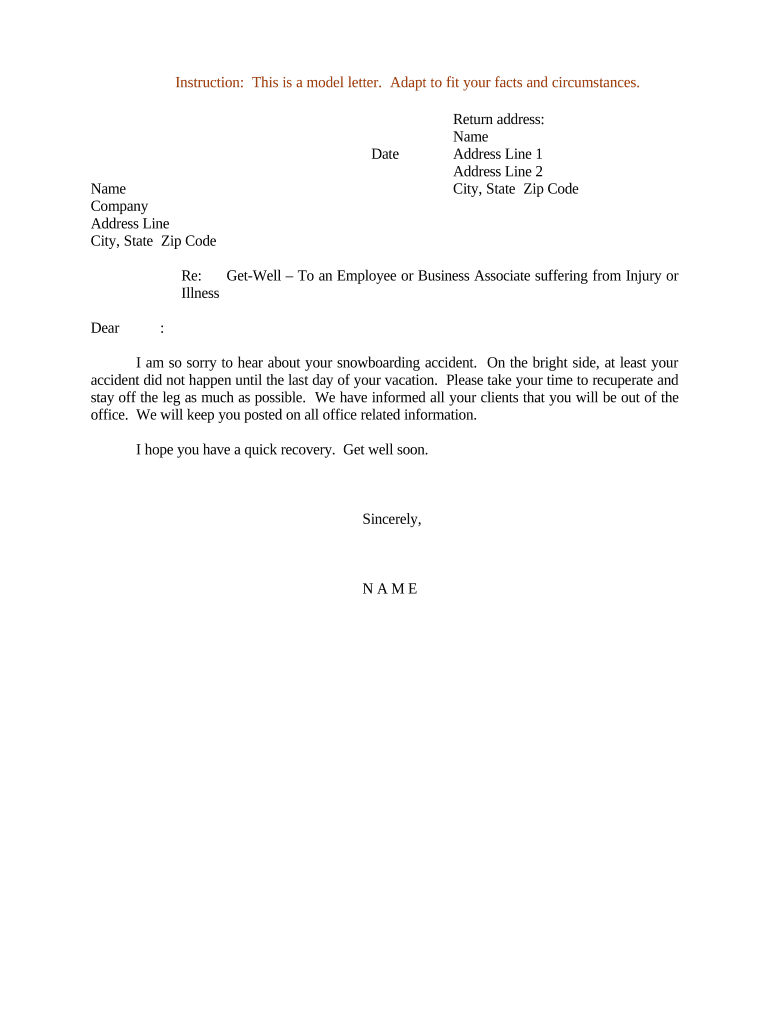
A Letter to Employee is a formal written notice from an employer to an individual staff member documenting an employment action, change, or request. Typical uses include offer letters, promotion or demotion notices, disciplinary warnings, termination notifications, salary adjustments, and requests for documentation. The letter records the employer’s position, the effective date of the change, required employee actions (acknowledgement, return of company property, or documentation), and any next steps. A clear, dated letter helps preserve evidence of communication and supports consistent administration of personnel decisions.

Why a Clear Letter to Employee Matters

A well-structured letter reduces misunderstandings, documents the employer’s intent and timing, and creates a reliable record for payroll, benefits, and legal compliance. It supports consistent HR processes and protects both parties by setting expectations in writing.

Why a Clear Letter to Employee Matters

Who Typically Prepares and Receives These Letters

Human resources, hiring managers, and legal counsel commonly draft and approve Letters to Employee before distribution.

  • HR managers responsible for personnel files and compliance with company policy and applicable employment law.
  • Direct supervisors or department heads issuing position changes, performance notices, or project reassignment details.
  • Employees or their representatives who must acknowledge receipt or respond with requested documentation.

Keep distribution narrow and documented: send to the employee, copy the personnel file, and retain for the applicable retention period.

Who Signs or Authorizes the Letter

HR Manager

The HR Manager or HR director typically reviews and signs employment letters to confirm policy compliance and ensure the document is added to the employee personnel record. Their signature evidences administrative approval and internal routing.

Department Head

A Department Head or direct supervisor often signs to confirm the operational decision (promotion, reassignment, or disciplinary action) and to communicate expected performance changes or reporting relationships to the employee.

Essential Parts of a Professional Letter to Employee

A standard letter includes clear identifiers, concise explanation of the action, effective dates, required employee responses, and a signature block. Use plain language and consistent formatting for ease of recordkeeping and future review.

Company Header

Include employer name, address, phone, and date. A header establishes origin and helps with record indexing for personnel and payroll systems.
Employee Information

List the employee’s full legal name, job title, department, and employee ID. Accurate identifiers avoid confusion across HR, payroll, and benefits platforms.

Statement of Action

Describe the reason for the letter and the specific action (hire, promotion, warning, termination) in straightforward, objective terms without emotive language.

Effective Date

State the precise effective date in MM/DD/YYYY format and note whether pay, benefits, or duties change on that date to avoid payroll or benefits errors.

Required Employee Steps

Specify any required employee responses, deadlines for acknowledgement, return of property, or submission of documents, including how to send them.

Signature Block

Provide signature lines for the authorized employer representative and the employee, with space for printed name, title, and date to confirm receipt and agreement.

Required Information to Include

Employee Name: Full legal name
Employee ID: Internal identifier
Job Title: Current position
Effective Date: MM/DD/YYYY
Action Summary: Short action statement
Authorized Signer: Name and title

Step-by-Step: Completing a Letter to Employee

Follow these sequential steps to draft, approve, deliver, and file the letter while preserving legal and personnel records.

  • 01
    Draft the Letter: Use clear, objective language and include all required fields.
  • 02
    Internal Review: Have HR and legal review for policy and compliance concerns.
  • 03
    Deliver to Employee: Send via secure channel and request signed acknowledgement.
  • 04
    File and Retain: Add signed copy to personnel file and record delivery date.

Configuring an Online Letter Workflow

Set up a consistent online workflow so letters are sent, signed, and stored automatically with audit records.

Field Configuration
Signature Type eSignature required
Authentication Email link or SMS code
Template Name Employee Letter
Routing Order HR then manager
Copy To Employee and HR file

Delivery Channels and Technical Requirements

Choose secure delivery channels that preserve an audit trail and enable reliable employee access on web or mobile devices.

  • File Formats: PDF or DOCX preferred
  • Authentication Options: Email link, SMS code, or SSO
  • Integrations: HRIS, payroll, cloud storage

Ensure the platform supports export to the personnel file, detailed audit logs, and preferred integrations such as HRIS or cloud storage to maintain records and streamline downstream updates.

Where to Send and How to Route Completed Letters

Use a consistent routing pattern so signed letters reach the correct systems and stakeholders without delay.

  • To the Employee: Send signed copy to the employee’s work email and request acknowledgement.
  • Personnel File: Store the executed letter in the HR personnel file or HRIS record.
  • Manager Copy: Provide the direct manager with a copy for operational follow-up.
  • Payroll/Benefits: Send relevant details to payroll or benefits for prompt processing.

Typical Timelines and Deadlines to Observe

Track dates for effectiveness, acknowledgement, and record retention to ensure compliance and avoid processing delays.

Acknowledgement Deadline:

Request signed acknowledgement within 3–7 business days.

Effective Date:

State the MM/DD/YYYY effective date clearly in the letter.

Payroll Update:

Submit compensation changes to payroll before the next pay period.

Benefits Processing:

Provide changes to benefits administrators within plan deadlines.

Personnel Filing:

Add executed letter to the personnel file within 3 business days.

Key Processing Milestones

A sequential milestone view helps coordinate drafting, approvals, delivery, and retention of the letter.

01

Draft Completed

Letter finalized with required facts and effective date.

02

Approval Obtained

HR and legal sign off to confirm compliance.

03

Delivered to Employee

Signed copy transmitted and acknowledgement requested.

04

Filed and Archived

Executed document stored in personnel file with audit trail.

Common Mistakes to Avoid

  • Using ambiguous language about reasons or consequences, which invites disputes and inconsistent application.
  • Failing to include a precise effective date, causing payroll and benefits delays or disputes about timing.
  • Not obtaining a clear signature or acknowledgement, weakening proof of delivery and receipt in later disputes.
  • Neglecting to route copies to payroll, benefits, and personnel files, causing processing errors and compliance gaps.

Risks and Consequences of an Incorrect Letter

Discrimination Claims: Increased litigation risk
Wage Disputes: Payroll corrections required
Benefit Errors: Coverage or enrollment lapses
Recordkeeping Violations: Compliance scrutiny
Operational Confusion: Lost productivity and remediation
Reputational Harm: Employee relations damage

Real-World Examples of Employee Letters

These short case summaries show how organizations use written letters to document employment actions and maintain compliance.

Martin Properties

A property management firm standardized offer letters to reduce turnaround time and ensure compliance with state wage notices.

  • The approach used a single, reviewed template for all hires.
  • Standardized templates reduced inconsistencies and improved recordkeeping while ensuring payroll and benefits administrators received timely, accurate inputs.

Optica Ventures

A small investment firm began sending promotion letters with precise effective dates and compensation terms to avoid disputes.

  • Signed acknowledgements were stored in the HRIS.
  • Clear, dated letters helped resolve compensation questions quickly and provided audit-ready documentation for future reviews and audits.

Practical Tips for Accurate Completion

Follow these best practices to reduce risk, speed processing, and produce consistent, legally defensible employee letters.

Keep Language Objective
Use neutral, factual wording to describe actions and reasons to reduce ambiguity and potential disputes. Avoid subjective adjectives or emotionally charged descriptions.
Use Standard Templates
Maintain version-controlled templates reviewed by HR and legal to ensure consistency across departments and adherence to company policy.
Record Delivery
Document how and when the letter was delivered and the employee’s acknowledgement to create an auditable timeline for personnel and legal teams.
Coordinate with Payroll
Notify payroll and benefits immediately of compensation or status changes to prevent payment delays or coverage gaps.

eSignature Solutions Comparison for Employee Letters

Comparison of common vendor price points and feature availability relevant to sending and signing Letters to Employee. Confirm plan details with vendors before purchase.

signNow DocuSign Adobe Sign PandaDoc HelloSign
Starting Price $8/user/mo $15/user/mo $14/user/mo $19/user/mo $15/user/mo
Free Trial Yes, 7-day free trial Varies by vendor Varies by vendor Varies by vendor Varies by vendor
Bulk Send Yes Yes Yes Yes Yes
Audit Trail Yes Yes Yes Yes Yes
HIPAA Compliant Yes Yes Yes No No

Frequently Asked Questions about Letters to Employees

Answers to common questions about e-signatures, notarization, retention, and disputing employment letters.


Need help? Contact support

be ready to get more
Join over 28 million airSlate SignNow users