Establishing secure connection…Loading editor…Preparing document…

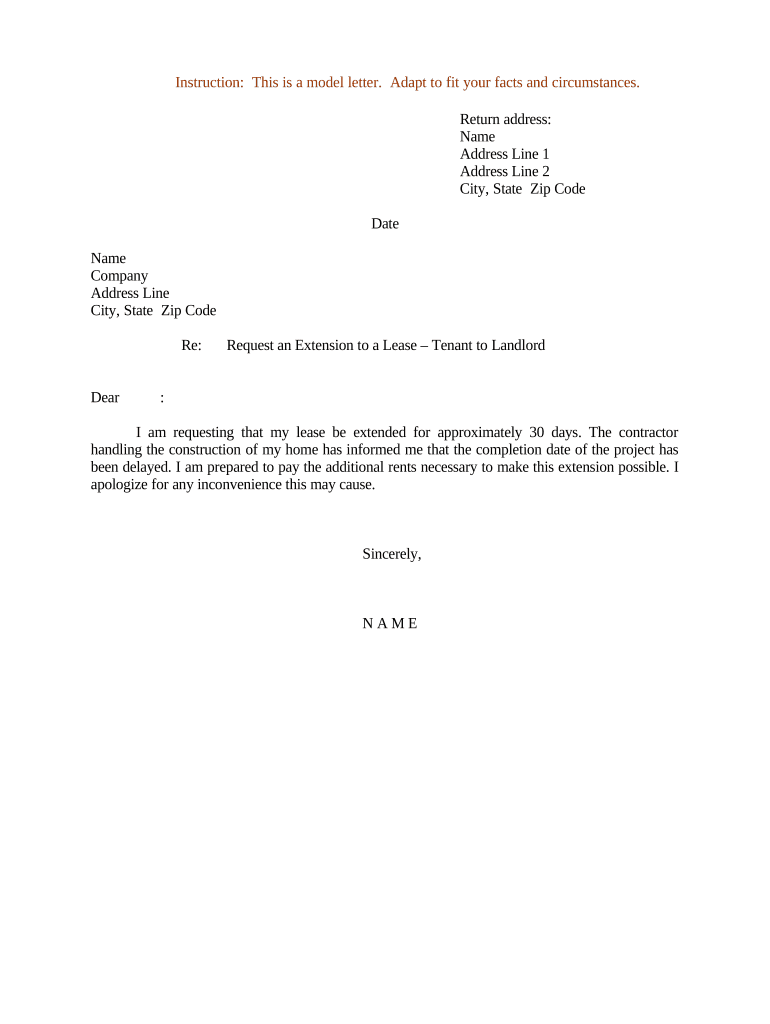
Letter to Tenant

This template is fully customizable. Edit the text, fill out the fields, and send it for signature. Give it a try!
Letter to Tenant

What a Letter to Tenant Is and When it's Used

A Letter to Tenant is a written notice a landlord or property manager sends to a renter to communicate a legal or administrative matter tied to the tenancy. Common uses include rent increase notices, pay-or-quit or cure notices, lease violations, intent to enter, and termination or nonrenewal notices. Properly drafted letters state the tenant and property details, the issue or request, any statutory cure period or deadline, and the consequences of noncompliance. Electronic delivery and eSignatures are widely accepted under U.S. e-signature law for most tenancy communications, subject to limited exceptions.

Why a Clear Letter to Tenant Matters

A clear Letter to Tenant documents the issue, establishes formal notice dates, reduces disputes, and creates a retrievable record if legal action follows. Accurate letters help ensure statutory notice periods are met and preserve remedies available to landlords while protecting tenant rights.

Why a Clear Letter to Tenant Matters

Who Typically Prepares and Sends These Letters

Parties should review local law and lease terms before sending to ensure procedural compliance and correct timing.

  • Individual landlords managing one or more rental units who need a clear, legally framed notice to document actions.
  • Property management firms and associations handling multiple tenants and centralized notice workflows across properties.
  • Attorneys and legal staff who draft notices for contested matters or where statutory precision is required.

Typical Sender Profiles

Independent Landlord

A small-property owner who prepares one-off notices, often handling service personally or via certified mail. Accuracy in tenant name, property address, dates, and delivery method matters to preserve remedies and avoid invalidation.

Property Management

A firm or manager using templates and bulk distribution for multiple units. Uses standardized language, tracks cure periods centrally, and maintains audit trails to support later enforcement or court filings.

Essential Elements to Include in Every Letter to Tenant

A professional Letter to Tenant combines identity, location, a clear statement of reason, deadlines, remedies, and a signature block so the notice is enforceable and actionable.

Tenant Identification

Full legal name of the tenant(s) exactly as on the lease, to avoid confusion and prevent challenges based on misidentification.
Property Address

Complete street address including unit number and city, so the notice unambiguously relates to the leased premises.

Notice Type

Specify the kind of notice (e.g., pay-or-quit, cure-or-vacate, termination, rent increase) so statutory triggers and deadlines are clear.

Reason and Facts

State precise facts (dates, missed payments, lease clause violated) avoiding vague language that can be disputed later.

Required Action

List what the tenant must do, the exact deadline (MM/DD/YYYY), and the consequence if the issue is not resolved.

Signature and Date

Landlord or authorized agent signature and date; include printed name, role, and contact information for verification.

Key Data Fields to Capture

Tenant full name: Exact lease name
Tenant contact: Phone and email
Property address: Street, unit, city
Notice effective date: MM/DD/YYYY
Lease reference: Lease date or clause
Landlord signature: Printed name and date

Common Legal Risks If the Letter Is Incorrect

Invalid service: Notice may be voided
Missed deadline: Delays court remedies
Wrong party: Enforcement against wrong tenant
Insufficient facts: Easier tenant challenge
Improper format: Electronic record not accepted
Privacy breach: HIPAA or tenant data risk

Step-by-Step: How to Complete a Letter to Tenant

Follow these steps to prepare a clear, legally sound Letter to Tenant that meets lease and jurisdictional requirements before service.

  • 01
    Identify parties: Confirm tenant names and lease address match records.
  • 02
    Select notice type: Choose pay-or-quit, cure, termination, or other required form.
  • 03
    Enter dates: Use MM/DD/YYYY and specify the deadline precisely.
  • 04
    Sign and serve: Sign, record delivery method, and keep proof of service.

How to Configure a Digital Workflow for Tenant Notices

Set up a repeatable digital workflow so notices are generated, authenticated, and archived with minimal manual steps.

Field Configuration
Template placement Preload tenant and property fields for reuse.
Signer authentication Choose email, SMS code, or stronger ID verification.
Delivery method Select email, certified mail, or process server options.
Audit trail Enable timestamping, IP capture, and signed certificate.

Digital Delivery Workflow Overview

A typical electronic workflow reduces service friction while preserving evidence of delivery and signature events.

  • Prepare document: Upload template, populate tenant and lease details.
  • Place fields: Add signature, date, and required form fields.
  • Authenticate signer: Use email link, SMS code, or stronger verification.
  • Send and archive: Deliver notice and store signed copy with audit trail.

Technical Considerations for Electronic Letters

Choose a platform that produces a tamper-evident signed file and stores an audit trail to support future enforcement or court proceedings.

  • Supported formats: PDF, DOCX, and HTML are commonly supported.
  • Integrations: Salesforce, NetSuite, Google Workspace, and other systems integrate for templates.
  • Authentication: Email link, SMS code, or multi-factor options.

Typical Deadlines and Timing to Track

Timing matters: record the effective date, statutory cure periods, and any filing deadlines to preserve remedies and comply with local eviction procedure.

Notice effective date:

The date the letter is served starts any cure period.

Cure period end:

Statutory cure windows vary by jurisdiction and notice type.

Vacate deadline:

Final date tenant must vacate if noncompliant.

Filing for eviction:

Allowed after cure period expires and proper service is shown.

Hearing timeframe:

Court dates vary; check local court schedules.

Key Milestones From Notice to Resolution

Track milestones in sequence so each procedural requirement is satisfied and evidence is collected at each stage.

01

Drafting complete

Document finalized with correct tenant, address, and deadlines.

02

Service executed

Proof of delivery recorded using chosen method.

03

Cure period monitored

Check for tenant remediation before taking further steps.

04

Enforcement action

File in court only after cure period and service compliance.

Common Mistakes to Avoid When Preparing Notices

  • Using an incorrect or partial tenant name is a common error that can allow a tenant to contest the notice and delay enforcement.
  • Failing to state the precise deadline using MM/DD/YYYY format creates ambiguity over when statutory cure periods begin and end.
  • Relying on informal delivery without documenting proof of service often leaves landlords unable to show notice in subsequent court proceedings.
  • Including vague or non-specific remedy language, such as 'fix violation,' invites disputes; clear, measurable actions reduce litigation risk.

Real-World Letter Types and How They Play Out

Two common letter scenarios and practical outcomes to guide drafting and delivery.

Rent Increase Notice

A landlord gives notice of a rent increase following lease terms and local rent control rules.

  • Tenant is informed of the new monthly amount and effective date.
  • Accurate dates, clear percentage or dollar amount, and correct delivery preserve enforceability and reduce disputes.

Pay-or-Quit Notice

Tenant has missed rent and receives a pay-or-quit demand specifying the amount due and cure window.

  • The tenant is given a specific number of days to pay or vacate.
  • Documented delivery, exact amounts, and signed notice form the basis for any subsequent eviction filing.

Practical Tips for Accurate and Efficient Completion

Follow these best practices to minimize disputes and administrative overhead when sending tenant notices.

Confirm identity and address
Cross-check tenant names and the property address with the lease and recent correspondence. Small mismatches frequently cause delays in enforcement and give rise to tenant challenges.
Use clear, objective language
Avoid ambiguous phrases. State specific dates, amounts, lease clauses, and measurable actions the tenant must take to cure the issue.
Document delivery and proof
Record method of service, tracking numbers, emails, or process server affidavits. Keep signed and timestamped copies to preserve evidence for court.
Standardize templates and audits
Use vetted templates, version control, and a central audit trail. Consistent templates reduce errors and speed up bulk or recurring notices.

Typical eSignature Vendor Pricing and Feature Snapshot

Cost and capabilities vary across vendors; signNow is listed first for comparison. Evaluate starting price, trial policy, bulk send, audit trail, HIPAA support, and any envelope caps when choosing a provider.

signNow DocuSign Adobe Sign PandaDoc HelloSign
Starting Price $8/user/mo $15/user/mo $14/user/mo $19/user/mo $15/user/mo
Free Trial 7-day free trial Varies by vendor Varies by vendor Varies by vendor Varies by vendor
Bulk Send Yes Yes Yes Yes No
Audit Trail Yes Yes Yes Yes Yes
HIPAA Compliant Yes Yes Yes No No

Frequently Asked Questions About Letters to Tenants

Answers to common practical and legal questions about drafting, delivering, and preserving Letters to Tenant.


Need help? Contact support

be ready to get more
Join over 28 million airSlate SignNow users