Establishing secure connection…Loading editor…Preparing document…

Notice Petition

This template is fully customizable. Edit the text, fill out the fields, and send it for signature. Give it a try!
Notice Petition

What a Notice Petition Is and When It’s Used

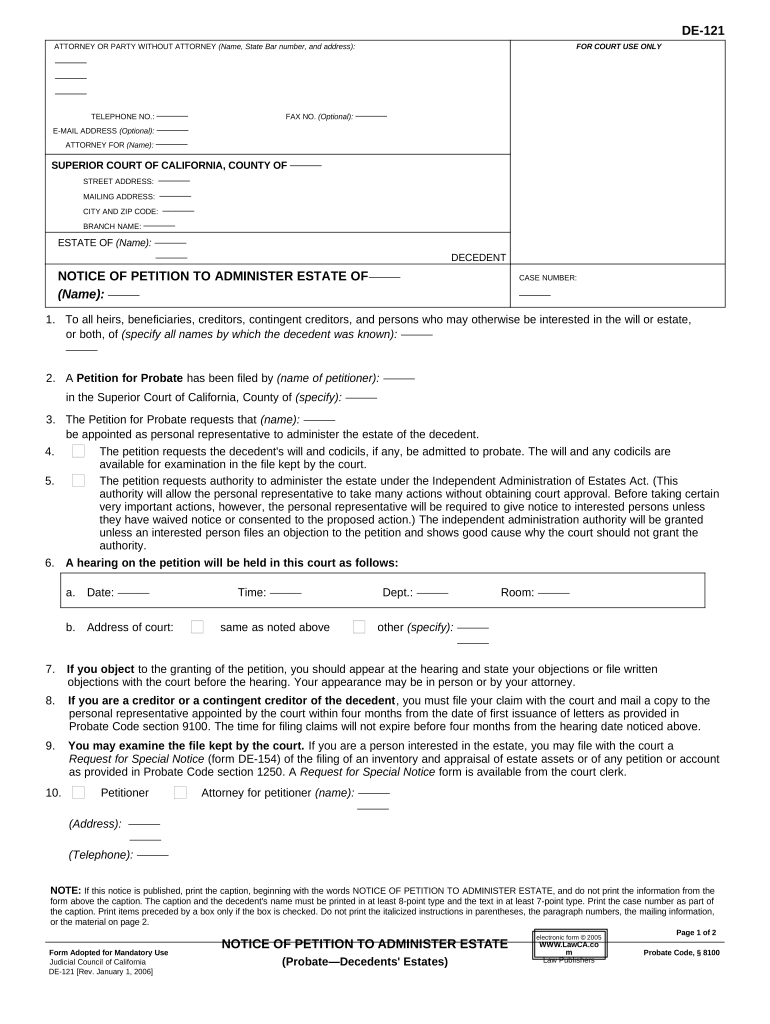
A Notice Petition is a formal written filing used to notify a court, agency, or opposing party of a petitioner’s request for relief, a procedural event, or a change in status. It typically combines a notice element with a petitioning statement that explains the requested action, the legal basis, and the parties affected. Notice Petitions appear in civil, administrative, and property contexts and must satisfy local filing rules, service requirements, and any signature or notarization provisions before a clerk will accept them for processing.

Why a Clear Notice Petition Matters

A properly prepared Notice Petition preserves procedural rights, establishes formal notice to interested parties, and creates an auditable record for the requested relief. Clarity reduces the risk of dismissal, accelerates processing, and supports enforceability under applicable electronic signature laws.

Why a Clear Notice Petition Matters

Who Typically Prepares and Signs a Notice Petition

Notice Petitions are completed by a range of users who must follow procedural rules and prove service to other parties.

  • Individual filers and self-represented litigants preparing a petition to trigger a court or agency process.
  • Attorneys and paralegals drafting notice language, attaching legal exhibits, and coordinating service procedures.
  • Property managers, landlords, or corporate representatives filing administrative or municipal petitions related to property or permits.

The responsible filer should confirm local court or agency rules for content, service, signature, and any notarization or witness requirements before submission.

Core Parts of a Professional Notice Petition

A complete Notice Petition combines structured data, legal grounding, and clear routing instructions so clerks and recipients can act without follow-up.

Caption

Court or agency heading with case number, jurisdiction, and party names so the filing is routed and indexed correctly by the clerk’s office.
Statement of Relief

Concise description of the specific action requested (stay, hearing, amendment, administrative review) with statutory or rule citations supporting the petition.

Facts & Basis

Chronological summary of the factual record and legal grounds demonstrating entitlement to the requested relief without requiring the clerk to consult multiple attachments.

Service Details

Method, recipient addresses, and proof of service language that align with local rules; include certificate of service or signed affidavit when required.

Signature Block

Typed or electronic signature line for the petitioner or counsel with printed name, title, contact information, and date of signing.

Attachments

Exhibits, declarations, and supporting documents labeled and paginated so the petition and exhibits can be reviewed as a single submission.

Required Identification and Document Data

Petitioner Name: Legal name as on ID
Respondent Name: Correct opposing party name
Case Number: Court or docket identifier
Service Address: Physical address for service
Filing Date: MM/DD/YYYY format
Requested Relief: Short description

Step-by-Step: Complete and Prepare a Notice Petition

Follow a consistent sequence to reduce clerical errors and ensure compliance with court or agency rules.

  • 01
    Draft: Prepare the caption, factual statement, and relief requested.
  • 02
    Attach Exhibits: Label and paginate supporting documents and affidavits.
  • 03
    Sign: Add signatures and dates using accepted methods.
  • 04
    File & Serve: Submit via e-file or clerk and serve other parties per local rules.

How to Configure an Online Filing Workflow

Set up fields, authentication, and routing before sending to ensure each signer and the court receive the right copy.

Field Configuration
Document Upload PDF or Word, final formatted version
Signature Placement Signature, date, initials fields
Signer Authentication Email, SMS code, or advanced options
Routing Sequential or parallel signer order

Where to File and How Notices Are Served

Notices and petitions must be submitted to the proper clerks and served on opposing parties according to jurisdictional rules.

  • Clerk Filing: E-file portal or in-person clerk submission
  • Certificate of Service: Include affidavit or proof of service
  • Opposing Party: Serve via mail, personal delivery, or e-service where allowed
  • Record Retention: Keep stamped filed copies and audit trail

Digital Signing and Technical Requirements

Use a platform that supports secure signatures, audit trails, and the file formats required by the clerk or agency.

  • Supported Formats: PDF and DOCX preferred
  • Authentication: Email or SMS verification
  • Integrations: Connectors for cloud storage

Ensure the chosen service preserves an audit trail (timestamps, IP addresses) and produces a copy acceptable to the court or agency for e-filing or paper retention.

Common Timing Considerations to Track

Timing varies by jurisdiction; confirm local rules and start service early to preserve filing windows.

Service Window:

Allow 20–30 days typical response periods

Filing Cutoffs:

E-file deadlines vary by court and calendar

Response Time:

Opposing parties often have 20–30 days

Appeal Deadlines:

Different courts set specific short windows

Statute Limits:

Statutory deadlines depend on claim type

Common Preparation Errors to Avoid

  • Using an incorrect case caption or wrong court name, which can cause rejections or misfiling.
  • Failing to attach or properly label required exhibits, producing delays or clerk requests.
  • Omitting a proper certificate of service or using an unaccepted service method.
  • Entering mismatched party names or dates that cause identity confusion or service defects.

Consequences of an Incorrect Notice Petition

Dismissal Risk: Case dismissal or motion-to-dismiss risk
Default Judgment: Opposing party may obtain default relief
Sanctions: Court sanctions or fee awards
Late Filing Fees: Clerk fees or penalty charges
Evidence Exclusion: Material evidence may be excluded
Perjury: Liability for false affidavit statements

Real-World Use Cases for a Notice Petition

These scenarios illustrate how Notice Petitions function in typical disputes and administrative matters.

Case Study 1

A tenant files a notice petition to request an administrative hearing for habitability repairs, including a timeline of missed repairs and photographs as exhibits.

  • The clerk schedules an expedited hearing when service and exhibits meet local rules.
  • The clear petition and organized exhibits reduced continuances and allowed the hearing to proceed with remedies awarded without further evidentiary delay.

Case Study 2

A small business files a notice petition seeking a stay of a municipal enforcement action while an appeal is prepared, attaching relevant permit documents and payment receipts.

  • The petition cites municipal code provisions and includes a certificate of service.
  • Timely filing and proper service preserved the business’s right to appeal and limited the risk of enforcement until the matter was adjudicated.

Practical Tips for Accurate and Efficient Completion

Applying consistent standards minimizes rejections and accelerates processing at the clerk’s office.

Use a Standard Template
Start from a jurisdiction-specific template that includes a caption, signature block, certificate of service, and exhibit index to reduce omissions and speed filing.
Validate Names and Numbers
Confirm party names, case numbers, and court names against prior filings before finalizing the petition to avoid misfiling.
Preserve an Audit Trail
When using e-signatures, retain timestamps, IP addresses, and delivery receipts to prove the signature’s attribution and the document’s integrity.
Coordinate Service Early
Plan service method and timing in advance and use tracked delivery or e-service options allowed by local rules to verify receipt.

How a Notice Petition Compares with Core Alternatives

Quick contrasts between a combined Notice Petition and common separate filings clarify when each form is appropriate.

Criteria Notice Petition Court Petition
When used procedural notice with request formal case-initiating pleading
Service required
Typical timeline short procedural window case-dependent schedule
Notarization required rarely rarely

eSignature Vendor Pricing and Feature Snapshot

Basic plan pricing and common feature availability for comparative context; confirm vendor sites for plan-level details or enterprise agreements.

signNow DocuSign Adobe Sign PandaDoc HelloSign
Starting Price $8/user/mo $15/user/mo $14/user/mo $19/user/mo $15/user/mo
Free Trial 7-day free trial Varies by vendor Varies by vendor Varies by vendor Varies by vendor
Bulk Send Yes Yes Yes Yes No
Audit Trail Yes Yes Yes Yes Yes
HIPAA Compliant Yes Yes Yes No No
Envelope Cap No cap 100 envelopes/user/year Varies by plan Varies by plan Varies by plan

Frequently Asked Questions About Notice Petitions and eSubmission

Answers to common questions about validity, e-signing, service, and correcting filing errors for Notice Petitions.


Need help? Contact support

be ready to get more
Join over 28 million airSlate SignNow users