Establishing secure connection…Loading editor…Preparing document…

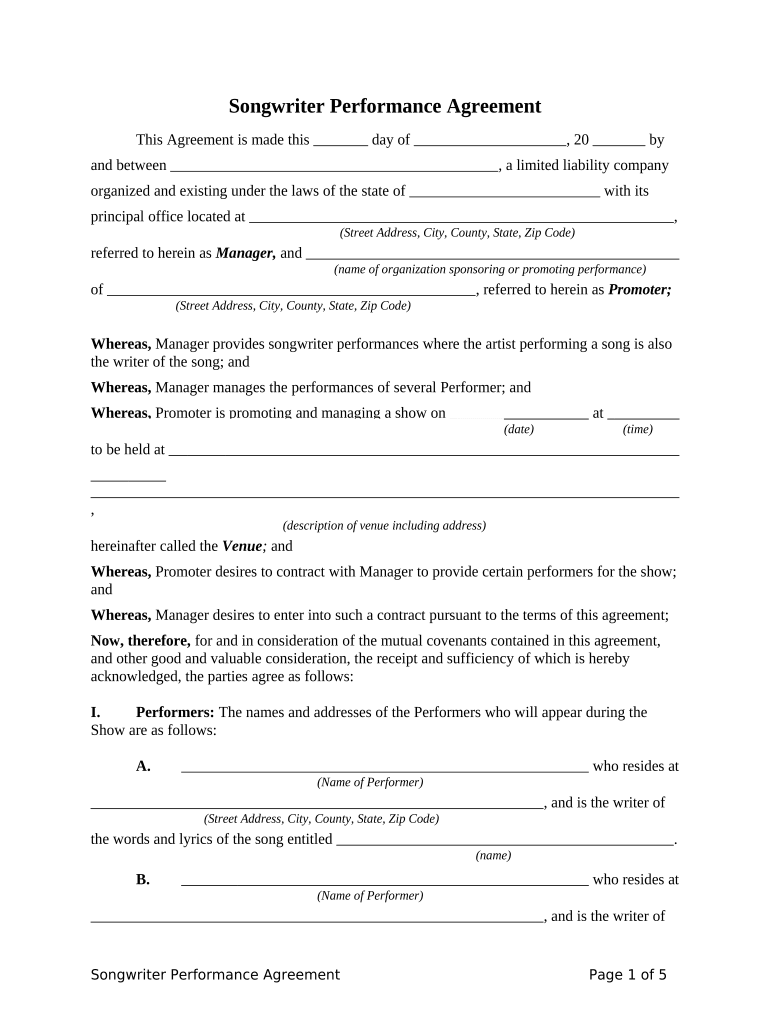
Performance Agreement Contract

This template is fully customizable. Edit the text, fill out the fields, and send it for signature. Give it a try!
Performance Agreement Contract

What the Performance Agreement Contract Is

A Performance Agreement Contract is a written legal document that defines parties, scope of work, performance milestones, payment terms, remedies for nonperformance, and termination rights. It creates clear expectations between contracting parties, allocates risks, and provides the basis for enforcing obligations in court or arbitration when a dispute arises.

Why a Clear Performance Agreement Matters

A well-drafted Performance Agreement reduces ambiguity about deliverables, timelines, and payment, and supports enforceability under the ESIGN Act (15 U.S.C. ch. 96, 2000) and UETA where applicable by documenting intent and consent.

Why a Clear Performance Agreement Matters

Typical Parties and Users

Performance agreements are used by businesses and professionals to manage service delivery, subcontracting, and vendor relationships.

  • Service providers and vendors that need clear deliverables, milestones, and payment terms.
  • Procurement and contracting teams managing supplier performance and remedies.
  • Project managers and subcontractors coordinating staged or milestone-based work.

Core Components to Include

A comprehensive Performance Agreement should be modular: identify parties, define scope, schedule milestones, set payment terms, allocate risk, and include remedies and termination clauses to avoid later disputes.

Parties

Full legal names and entity types for each contracting party, including registered addresses and contact information for notices.
Scope

Precise description of services or deliverables, acceptance criteria, and any excluded items to prevent scope creep and payment disputes.

Deliverables

Milestones, deliverable formats, acceptance testing, and criteria tied to payment triggers or progress reviews.

Payment

Amounts, schedule, invoicing procedure, late fees, retainers, and any performance-based adjustments or withholdings.

Term and Termination

Effective date, duration, renewal terms, notice requirements, and termination for convenience or cause provisions.

Remedies

Liquidated damages, cure periods, indemnities, limitation of liability, and dispute resolution options like arbitration or venue.

How to Complete and Execute This Agreement

Follow these steps to prepare, review, and execute a Performance Agreement that is complete and enforceable.

  • 01
    Prepare draft: Populate parties, scope, milestones, and payment fields.
  • 02
    Internal review: Have legal and finance review for risk and tax impact.
  • 03
    Signatures: Collect signatures in the correct order and with authority.
  • 04
    Distribute copies: Provide final executed copies to all parties and store securely.

Configure an Online Signing Workflow

Set up the digital workflow to control field requirements, authentication, and routing for the full execution lifecycle.

Field Configuration
Authentication Email link, SMS code, or advanced signer verification
Field Types Signature, initials, dates, text, checkboxes
Conditional Logic Show or hide fields based on previous answers
Audit Trail Capture timestamps, IP, and action history

Sharing and Technical Requirements

Choose a platform that supports your document formats, integrations, and required signer authentication.

  • File types: PDF, DOCX, and editable templates
  • Integrations: CRM, ERP, cloud storage connectors
  • Signer methods: Email link, SMS, or advanced KBA

Where to Send, File, or Submit the Executed Agreement

Routing depends on the contract purpose: internal recordkeeping, counterparty delivery, regulatory filing, or project repositories each have standard destinations.

  • To counterparty: Send final executed copy to all contract parties
  • Internal records: Store in contract repository or document management system
  • Project folder: Attach to project management or procurement systems
  • Regulatory filing: Submit only when statute or agency requires

Common Deadlines and Notice Periods to Track

Identify calendar triggers in the agreement for performance dates, invoicing, cure periods, and termination notices to avoid missed obligations.

Performance milestones:

Dates for deliverables and acceptance actions

Invoice due dates:

Payment terms such as net 30 or net 60

Cure period:

Time allowed to remedy a breach

Termination notice:

Days required for termination for convenience

Renewal deadlines:

Automatic renewal notice windows

Key Contract Milestones

Track major stages from negotiation to closeout so each milestone's deliverables, approvals, and payments are aligned with contract terms.

01

Negotiation

Finalize scope and commercial terms before execution

02

Execution

Obtain authorized signatures and set effective date

03

Performance start

Begin work and deliverables per milestone schedule

04

Closeout

Complete final deliverables and release retainage

Common Preparation Errors to Avoid

  • Vague scope language that leaves deliverables open to interpretation and causes disputes over acceptance.
  • Missing signatory authority where signers lack corporate power to bind the entity, risking later ratification issues.
  • Failure to match payment conditions to deliverable acceptance, producing payment delays or withheld funds.
  • Not preserving an execution audit trail that documents signer identity, timestamps, and consent for e-signed agreements.

Risks and Consequences of an Incorrect Agreement

Unenforceable terms: Ambiguous clauses may be voided by a court
Damages exposure: Breach may create liability for compensatory damages
Tax implications: Incorrect reporting can trigger IRS penalties
Regulatory fines: Industry-specific violations can lead to fines
Invalid signature: Improper execution can undermine contract validity
Data breach: Unauthorized access may require disclosure and remediation

Security, Compliance, and Legal Considerations

ESIGN / UETA: Meets legal standards for electronic signatures in the U.S.
Encryption: TLS 1.2/1.3 in transit; AES-256 at rest
Audit Trail: Comprehensive timestamps, IP, and action logs
HIPAA: HIPAA compliance available; BAA required
SOC 2: SOC 2 Type II certified controls
21 CFR Part 11: Capabilities to meet FDA-regulated records requirements

Real-World Usage Examples

These examples show how organizations apply performance agreements to reduce friction and document obligations in everyday workflows.

Real Estate Closing Example

Tim Martin, founder of Martin Properties, used online execution to manage lease and closing documents efficiently

  • Fast mobile signing accelerated deals
  • The team reported consistent compliance across tenants and mobile workflows, enabling quicker occupancy and revenue recognition while maintaining an auditable execution record.

Healthcare Service Contract

John Butler, founder at Fertility Centers of Illinois, combined contract templates with secure signing

  • Integrated audit trails supported compliance
  • The executed agreements included privacy addenda and retained detailed audit logs to demonstrate HIPAA-focused controls and signature attribution.

Practical Tips for Reliable Agreements

Apply consistent drafting and execution controls to reduce ambiguity, speed approvals, and limit downstream disputes.

Use clear acceptance criteria
Define measurable standards for deliverables and acceptance tests to avoid subjective disputes and delayed payments.
Require authorized signers
Verify signatory authority and document corporate approvals to prevent challenges to execution validity.
Preserve the audit trail
Keep tamper-evident signed copies and metadata showing signer identity, timestamp, and IP address for enforceability.
Standardize templates
Use approved templates with controlled variable fields to reduce legal review time and ensure consistent terms.

eSignature Pricing Comparison for Executing Performance Agreements

Compare typical vendor starting prices and core capabilities relevant to signing and tracking performance agreements; signNow appears first as the initial data column.

signNow DocuSign Adobe Sign PandaDoc HelloSign
Starting Price $8/user/mo $15/user/mo $14/user/mo $19/user/mo $15/user/mo
Free Trial 7-day trial No No Yes, limited Yes, limited
Bulk Send Yes Yes Yes Yes No
Audit Trail Yes Yes Yes Yes Yes
HIPAA Compliant Yes Yes Yes No No

Frequently Asked Questions About Performance Agreements

Answers to common practical and legal questions about drafting, signing, and enforcing Performance Agreement Contracts.


Need help? Contact support

be ready to get more
Join over 28 million airSlate SignNow users