Establishing secure connection…Loading editor…Preparing document…

Sample Apology Letter

This template is fully customizable. Edit the text, fill out the fields, and send it for signature. Give it a try!
Sample Apology Letter

What the Sample Apology Letter Is and When It’s Used

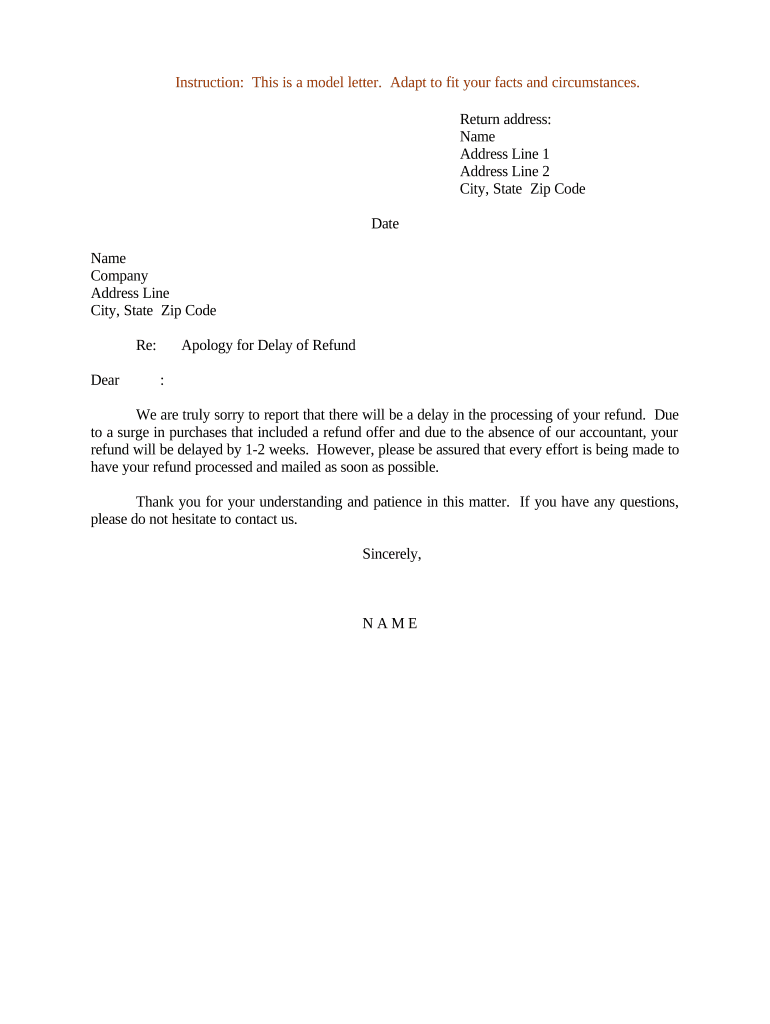
A Sample Apology Letter is a concise, written communication used to acknowledge an error, express regret, and outline corrective steps. It establishes a clear record of the sender's recognition of an issue and intent to remedy it. Organizations use this template for customer service incidents, employee relations, vendor disputes, and regulatory notifications. The letter balances factual admission with remedial commitments while avoiding unnecessary legal admissions. When delivered promptly and documented, a well-crafted apology letter can reduce escalation, support internal investigations, and provide a reproducible record when retained in the file.

Why a Structured Apology Letter Matters

A structured apology letter clarifies responsibility, communicates remedial action, and preserves a dated record. It helps align expectations between parties and supports faster resolution while reducing misunderstandings and repeat issues.

Why a Structured Apology Letter Matters

Who Typically Prepares or Receives These Letters

Use the template to maintain consistency across cases and create a retrievable record for audits or dispute review.

  • Customer service teams sending incident apologies and remedy offers to clients after service interruptions or data errors.
  • Human resources issuing written apologies to employees following procedural mistakes, discrimination claims, or internal policy violations.
  • Legal or compliance teams using apology letters to document corrective steps while coordinating with counsel and regulators.

Core Elements to Include in Every Apology Letter

A professional apology letter combines clear identification, a factual admission, an explanation, remedial steps, and a respectful closing; signatures and dates finalize the record.

Header

Sender and recipient names, titles, organization, mailing address, and the letter date to anchor the record and provide routing clarity.
Subject Line

A short subject referencing the incident (date or ticket number) so recipients and file systems can index the correspondence efficiently.

Acknowledgement

A concise, factual description of what occurred without speculative language; avoid inflammatory or overly legal phrasing that can complicate later review.

Responsibility

A measured admission where appropriate; distinguish between expressing regret and admitting legal liability based on counsel guidance.

Remedy

Specific corrective steps, timelines, and contact information for follow-up so the recipient knows what to expect and how issues will be resolved.

Signature

Typed name, title, signature (manual or e-sign) and date; include role and department to show authority and accountability.

Quick Step-by-Step: Drafting and Sending the Letter

Follow these sequential steps to prepare, approve, and deliver the apology while preserving a compliant record.

  • 01
    Draft: Compose a factual, concise letter referencing the incident.
  • 02
    Review: Have compliance or legal review language where liability could be implicated.
  • 03
    Approve: Obtain signatory approval from the authorized representative.
  • 04
    Deliver: Send via agreed channel and archive the final signed copy.

How Electronic Delivery and Acknowledgment Typically Work

Electronic workflows allow you to send, authenticate, capture the signature, and archive the signed apology letter with an audit trail.

  • Upload Document: Place the finalized letter in PDF or DOCX format into your signing or document system.
  • Assign Signer: Specify the authorized signer and any witness or approver required.
  • Authenticate: Choose signer authentication (email link, SMS code, or higher assurance if needed).
  • Record: Capture signature, timestamp, IP, and completion certificate for the audit trail.

Typical Online Setup for an Apology Letter Workflow

Configure the digital workflow to match approval and authentication requirements before sending the letter.

Field Configuration
Template Name Apology Letter Template
Signer Order Single authorized signer; optional reviewer before signature
Authentication Email link or SMS code for signer verification
Retention Setting Save signed PDF/A to records repository for minimum retention period

Digital Delivery and Platform Considerations

Ensure the platform you use can produce an auditable signed record and stores the file in a retrievable format for required retention.

  • File Formats: PDF and DOCX supported
  • Authentication: Email or SMS code
  • Audit Trail: Timestamp, IP, action log

Timing Recommendations and Typical Deadlines

Responding promptly improves outcomes. Use internal SLAs to ensure consistent timing for acknowledgment and remediation.

Issue Acknowledgment:

Within 48–72 hours of incident discovery to confirm receipt and investigation start.

Provide Details:

Within 5–10 business days with findings and proposed remedies where feasible.

Implement Remedy:

Complete corrective steps by the date specified in the letter.

Follow-Up Check:

Confirm recipient satisfaction within 10–30 days after remedy completion.

Archive Record:

Store signed letter immediately after delivery for retention compliance.

Common Mistakes to Avoid When Preparing an Apology Letter

  • Over-admitting liability in casual language can create legal exposure; consult counsel if the event may lead to litigation.
  • Vague remedies or open-ended promises reduce credibility; provide specific actions, responsible parties, and dates.
  • Sending to the wrong recipient or outdated contact results in non-delivery and unresolved expectations; verify addresses before sending.
  • Failing to archive the signed copy or retention metadata prevents later verification during audits or dispute resolution.

Potential Risks from an Incorrect or Poorly Worded Letter

Legal Exposure: Inadvertent admissions may be used in litigation.
Regulatory Attention: Incomplete disclosure can trigger compliance reviews.
Reputational Harm: Insincere or late apologies can worsen public perception.
Contractual Breach: Incorrect remedies may fail to satisfy contract terms.
Operational Confusion: Missing dates or contacts impede remediation tracking.
Record Loss: Unretained signed letters hinder future audits.

Illustrative Use Cases for an Apology Letter

Below are two concise examples showing how an apology letter can be structured for different situations.

Customer Service Issue

A client experienced delayed shipment

  • The company acknowledged the delay and explained the cause
  • The letter offered expedited replacement, a timeline for delivery, and a direct contact for escalation.

Internal HR Matter

An employee received incorrect payroll information

  • HR acknowledged the mistake and explained corrective payroll adjustments
  • The letter detailed the correction timeline, contact, and steps to prevent recurrence.

Comparing eSignature Vendors for Sending and Archiving Apology Letters

Platform choice affects authentication, audit trail, and retention. The table compares starting price, trial availability, bulk send capability, audit trail presence, HIPAA support, and envelope limits.

signNow DocuSign Adobe Sign PandaDoc HelloSign
Starting Price $8/user/mo $15/user/mo $14/user/mo $19/user/mo $15/user/mo
Free Trial Yes, 7-day free trial Varies by vendor Varies by vendor Varies by vendor Varies by vendor
Bulk Send Yes Yes Yes Yes No
Audit Trail Yes Yes Yes Yes Yes
HIPAA Compliant Yes Yes Yes No No
Envelope Cap No cap 100 envelopes/user/year Varies by plan Varies by plan Varies by plan

Frequently Asked Questions About the Sample Apology Letter

Answers to common questions about wording, signatures, e-signing, and recordkeeping to reduce uncertainty when preparing an apology letter.


Need help? Contact support

be ready to get more
Join over 28 million airSlate SignNow users