Establishing secure connection…Loading editor…Preparing document…

Letter of Intent for Purchase of Business Assets

This template is fully customizable. Edit the text, fill out the fields, and send it for signature. Give it a try!
Letter of Intent for Purchase of Business Assets

What a Letter of Intent for Purchase of Business Assets Is

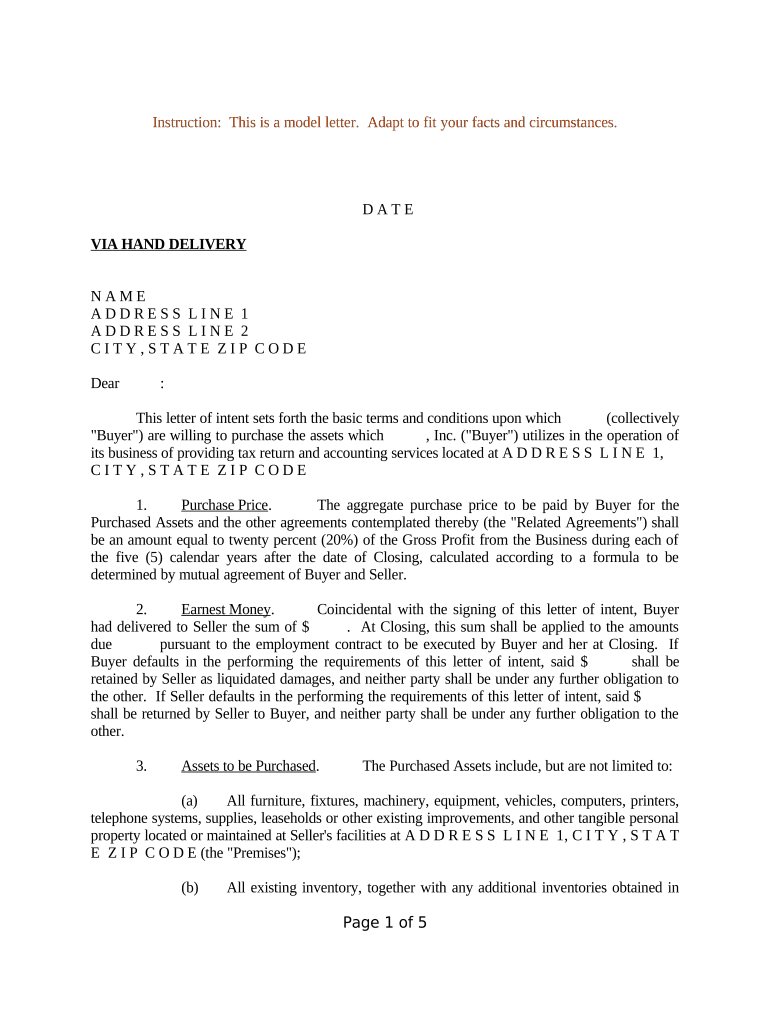
A Letter of Intent for Purchase of Business Assets is a preliminary written statement that outlines the buyer's and seller's general agreement on a proposed asset sale. It typically identifies the parties, describes the assets to transfer, states the proposed purchase price and payment terms, sets a due diligence period, and notes conditions precedent to closing. An LOI often includes confidentiality and exclusivity terms, and it frames negotiation of a definitive purchase agreement while reserving rights for both parties during the transaction.

Why an LOI Helps Smooth the Asset Sale Process

An LOI clarifies essential business points early, aligns expectations, establishes timelines, and protects key rights such as exclusivity or confidentiality. When electronically executed, e-signatures are generally enforceable under the ESIGN Act (15 U.S.C. §7001) and UETA where adopted, though specific clauses may remain non-binding until a definitive agreement is signed.

Why an LOI Helps Smooth the Asset Sale Process

Who Typically Prepares and Signs an LOI

Typical users include buyers assessing acquisition targets, sellers seeking to document terms, and advisors coordinating the transaction.

  • Buyers evaluating assets and preserving negotiation leverage during due diligence.
  • Sellers documenting key deal economics and limiting market exposure while reviewing offers.
  • Advisors and lenders coordinating schedules, financing conditions, and closing requirements.

Core Components to Include in a Professional LOI

A complete LOI groups transactional essentials so parties and counsel can review material deal points quickly before drafting definitive documents.

Parties

Full legal names and entity types of buyer and seller, including state of formation and authorized representatives for signature and notices.
Assets Covered

Detailed list of tangible and intangible assets included or excluded, with schedules for inventory, contracts, IP, and licenses where applicable.

Purchase Price

Total consideration, payment structure (cash, promissory note, earnout), and proposed allocation among asset classes for tax purposes.

Conditions

Key conditions precedent such as satisfactory due diligence, third-party consents, regulatory approvals, and financing contingencies.

Confidentiality

Non-disclosure terms and limits on use of disclosed information, plus duration of confidentiality obligations and permitted disclosures.

Exclusivity

Any no-shop or exclusivity period with defined start and end dates and consequences for breach, including deposit forfeiture if applicable.

Stepwise Process to Complete and Execute an LOI

Use a simple, repeatable process to prepare, review, and execute the LOI so all parties stay aligned and deadlines are met.

  • 01
    Draft LOI: Prepare initial terms and attach schedules.
  • 02
    Negotiate: Exchange revisions and confirm material points.
  • 03
    Execute LOI: Sign electronically or in writing with authorized signers.
  • 04
    Begin Due Diligence: Start document review and site inspections immediately.

How Electronic Execution and Routing Typically Work

An e‑workflow speeds signature collection, keeps an audit trail, and ensures each party receives executed copies and completion certificates.

  • Upload LOI: Add the LOI and attach asset schedules or exhibits.
  • Place Fields: Add signature, date, and initial fields where required.
  • Send to Signers: Route by role-based order or simultaneous invite.
  • Receive Executed Copy: All parties get final PDF with audit trail.

Recommended Digital Workflow Settings for an LOI

Configure signing order, authentication, reminders, and retention before sending to reduce friction and ensure compliance.

Field Configuration
Authentication Email link or SMS code; use stronger KBA for high-value deals
Signing Order Role-based sequential or parallel routing per negotiating strategy
Reminders Automated reminders at 3 and 7 days to keep timelines
Audit Trail Capture IP, timestamp, and signer actions for evidentiary record

Technical Considerations for eSigning an LOI

Confirm the eSignature platform supports secure audit trails, standard file formats, and required authentication.

  • File Formats: PDF and DOCX supported
  • Integrations: Salesforce, NetSuite, Google Workspace
  • Security: TLS in transit; AES-256 at rest

Common Timing Elements to Specify in the LOI

Clearly stated deadlines reduce misunderstandings and preserve rights such as inspection access, exclusivity, and deposit return timelines.

Effective Date:

Date LOI takes effect (MM/DD/YYYY)

Due Diligence Period:

Typically 30–60 days, specify extension terms

Exclusivity Period:

No-shop window stated in calendar days

Deposit Deadline:

Date to fund any earnest money or escrow

Target Closing:

Anticipated closing date or window

Key Transaction Milestones from LOI to Closing

Track milestones sequentially so legal, tax, and operational teams can meet pre-closing conditions and avoid delays.

01

LOI Execution

Parties sign LOI and exclusivity begins

02

Due Diligence

Buyer inspects records and assets

03

Definitive Agreement

Negotiate and sign asset purchase agreement

04

Closing

Transfer assets, funds, and deliverables completed

Common Mistakes When Preparing an LOI

  • Vague asset descriptions that later cause disputes and delay closing.
  • Failing to specify allocation of purchase price for tax reporting and IRS audit purposes.
  • Overlooking third-party consent requirements for assignable contracts and leases.
  • Ignoring state or industry regulatory approvals that can block or delay the sale.

Essential Data Elements and Controls to Include

Signature Type: E-signature or wet signature
Audit Trail: Timestamps and IP
Notarization: If required by state
Confidentiality: NDA clause duration
Encryption: TLS 1.2/1.3; AES-256
Storage: Secure repository retention

Potential Consequences of an Incorrect or Incomplete LOI

Breach of Exclusivity: Loss of deposit
Misstated Assets: Rescission risk
Unclear Conditions: Closing delays
Tax Misallocation: IRS disputes; reporting issues
Missing Consents: Contractual enforcement blocked
Data Exposure: Privacy and compliance penalties

Comparing eSignature Providers for Executing an LOI

This comparison highlights common vendor criteria for LOI execution workflows and compliance needs; signNow is listed first per vendor ordering rules.

signNow DocuSign Adobe Sign PandaDoc HelloSign
Starting Price $8/user/mo $15/user/mo $14/user/mo $19/user/mo $15/user/mo
Free Trial 7-day free trial Varies by plan Varies by plan Varies by plan Varies by plan
Bulk Send Yes (Business Premium) Yes Yes Yes Limited
Audit Trail Yes Yes Yes Yes Yes
HIPAA Compliant Yes Yes Yes No No
Envelope Cap No cap 100 envelopes/user/year Varies by plan Varies by plan Varies by plan

Frequently Asked Questions About LOIs for Asset Purchases

Answers to common questions about binding effect, e-signing, essential clauses, and next steps after LOI execution.


Need help? Contact support

be ready to get more
Join over 28 million airSlate SignNow users