Establishing secure connection…Loading editor…Preparing document…

Sell Property Form

This template is fully customizable. Edit the text, fill out the fields, and send it for signature. Give it a try!
Sell Property Form

What the Sell Property Form Is and when it’s used

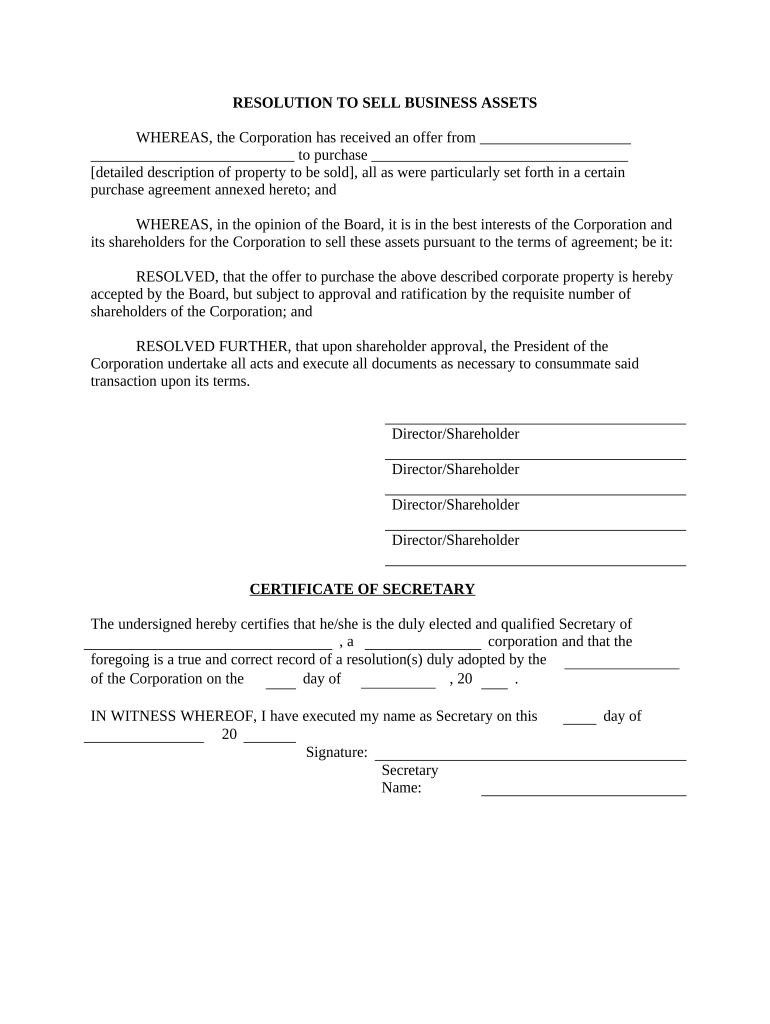
A Sell Property Form documents the transfer of ownership for residential or commercial real estate between a seller and a buyer. It typically records parties, property description, sale price, payment terms, representations and warranties, contingencies, and signatures. The form may be a contract of sale, deed, or a bill of sale depending on the transaction structure and state requirements. Sellers, buyers, brokers, and closing agents use it to memorialize agreed terms and to trigger closing steps such as escrow instructions, title searches, and recording at the county recorder or register of deeds.

Why a clear Sell Property Form matters

A well-drafted Sell Property Form reduces closing delays, limits disputes, and clarifies obligations for transfer, disclosures, and closing costs. It provides a durable record for title examination, recording, tax reporting, and future ownership verifications.

Why a clear Sell Property Form matters

Who completes and relies on the Sell Property Form

Typical users include sellers, buyers, real estate agents, title companies, closing attorneys, and lenders.

  • Sellers — Individuals or entities providing accurate property descriptions and disclosures before closing.
  • Buyers — Review terms, contingencies, financing deadlines, and deliver required payments or financing documents.
  • Title and closing agents — Verify chain of title, prepare recording documents, and coordinate notary and recording steps.

Each role has distinct responsibilities during execution, review, and recording; identifying each party in the form prevents administrative and legal gaps.

Core elements to include in a professional Sell Property Form

Include precise factual details and clear contractual terms to avoid ambiguity and enable smooth closing and recording.

Parties

Full legal names and entity types for seller(s) and buyer(s). For trusts or LLCs, include authorized signer information and capacity.
Property

Legal description, street address, parcel or tax ID. Use the deed-format legal description required by the county recorder for recording.

Price & Payment

Purchase price, deposit/earnest money amount, escrow instructions, financing contingencies, and wire or cashier check instructions.

Closing Terms

Closing date, location, prorations for taxes and utilities, possession date, and conditions precedent to funding and transfer.

Disclosures

State-required property condition and material fact disclosures, lead-based paint notices if applicable, and any seller warranties.

Signatures

Signature blocks for all parties, signature dates, notary acknowledgements if required, and witness lines where the state requires them.

Essential data elements and security considerations

Encryption: TLS 1.2/1.3; AES-256
Audit Trail: Timestamp, IP, signer actions
Access Control: Role-based permissions
HIPAA: BAA available if needed
Retention: Exportable, tamper-evident PDFs
Certifications: SOC 2 Type II; ISO 27001

Step-by-step: completing the Sell Property Form

Follow a consistent sequence to minimize errors and meet recording requirements.

  • 01
    Prepare: Gather title info, tax parcel ID, and disclosures.
  • 02
    Populate fields: Enter full names, legal description, and price.
  • 03
    Sign & notarize: All parties sign; obtain notarization or witnesses if required.
  • 04
    Record: File deed or transfer document at county recorder and deliver closing copies.

How to set up an online Sell Property Form workflow

Configure a digital workflow to assign roles, set signing order, and collect notarization and attachments before recording.

Field Configuration
Signer order Set seller(s) before buyer(s) before closing agent
Attachments Require title report, ID, and disclosures
Authentication Use email + SMS or higher-level verification
Notary Enable e-notary or RON where state permits

Where to send or file the completed Sell Property Form

Different documents and jurisdictions require different filing destinations and recipient sequences.

  • Title company: Receives executed form and coordinates recording.
  • County recorder: Records deeds and transfer instruments for public notice.
  • Lender: Receives copies to release or adjust mortgage payoff.
  • Escrow agent: Holds funds per instructions and confirms closing conditions.

Delivering and sharing the Sell Property Form electronically

Choose platforms that support secure upload, role-based routing, and notarization where required.

  • Email delivery: Encrypted links to recipients
  • Cloud storage: PDF, DOCX support; preserve metadata
  • Integrations: CRM and title-system connectors

Integrations with title platforms, CRMs, and cloud storage reduce rekeying, preserve audit trails, and simplify handoffs between agents, lenders, and recorders.

Common timing and deadline considerations

Track contractual dates and government deadlines separately to avoid missed recordings or tax reporting consequences.

Contractual closing:

Date specified in agreement; triggers funding and transfer.

Recording window:

Record deed promptly to protect title priorities.

Tax prorations:

Compute through closing date for final statements.

1099-S reporting:

Seller reporting timelines for real estate proceeds (verify IRS requirements).

Mortgage payoff:

Coordinate lender payoff timing on closing day.

Common mistakes to avoid when preparing the Sell Property Form

  • Incomplete legal description: using a street address only can cause recording rejection or title ambiguity and delay closing while the correct parcel is obtained.
  • Mismatched names: failing to use the exact legal entity name on the deed (individual, trust, LLC) can prevent recording or require corrective instruments.
  • Missing notarization or witness lines: omitting required acknowledgements for the jurisdiction can void the recording and lead to costly corrective filings.
  • Insufficient supporting documents: not attaching necessary title, payoff, or disclosure documents can stall escrow and delay fund disbursement.

Penalties and legal risks from incorrect or incomplete forms

Recording rejection: Delay in title transfer
Tax reporting fines: IRS penalties for incorrect 1099-S
Legal disputes: Claims over ownership or boundary errors
Escrow delays: Extended closing costs
Corrective filings: Attorney and recording fees
Fraud risk: Improper signatures or forged documents

Who has authority to sign the Sell Property Form

Individual Seller

A natural person listed as owner on title or deed signs in their individual capacity. If the owner is incapacitated or deceased, a conservator, guardian, or personal representative with court authority signs on their behalf.

Entity Seller

For corporations, LLCs, or trusts, an authorized officer, manager, or trustee signs in the capacity stated. Include authority evidence such as corporate resolution, trustee certificate, or LLC operating agreement when recording.

Real-world examples of digital Sell Property Form use

These examples illustrate how parties combine online workflows and compliance to complete property transfers remotely.

Martin Properties — Tim Martin

Tim Martin used online workflows to execute closings remotely

  • Reduced in-person steps for buyers and sellers
  • The team completed document signing, notarization where required, and delivered recorded deeds while preserving audit trails and compliance.

Optica Ventures — Brian Fitzgibbons

Optica Ventures adopted a digital process for investor-owned property sales

  • Simplified signature routing and version control
  • They standardized templates, collected signatures from multiple stakeholders, and maintained tamper-evident records for title and tax review.

Representative eSignature solution pricing for Sell Property Form workflows

Compare entry-level pricing and core capabilities across common eSignature vendors; signNow appears first for column alignment with platform details.

signNow DocuSign Adobe Sign PandaDoc HelloSign
Starting Price $8/user/mo $15/user/mo $14/user/mo $19/user/mo $15/user/mo
Free Trial 7-day free trial Varies Varies Varies Varies
Bulk Send Yes Yes Yes Yes No
Audit Trail Yes Yes Yes Yes Yes
HIPAA Compliant Yes Yes Yes No No

FAQs: common questions about preparing and eSigning a Sell Property Form

Answers to frequent questions about eSignatures, notarization, supporting documents, and corrective steps.


Need help? Contact support

be ready to get more
Join over 28 million airSlate SignNow users