Establishing secure connection…Loading editor…Preparing document…

Stipulation Motion Order

This template is fully customizable. Edit the text, fill out the fields, and send it for signature. Give it a try!
Stipulation Motion Order

What a Stipulation Motion Order Is and when courts use it

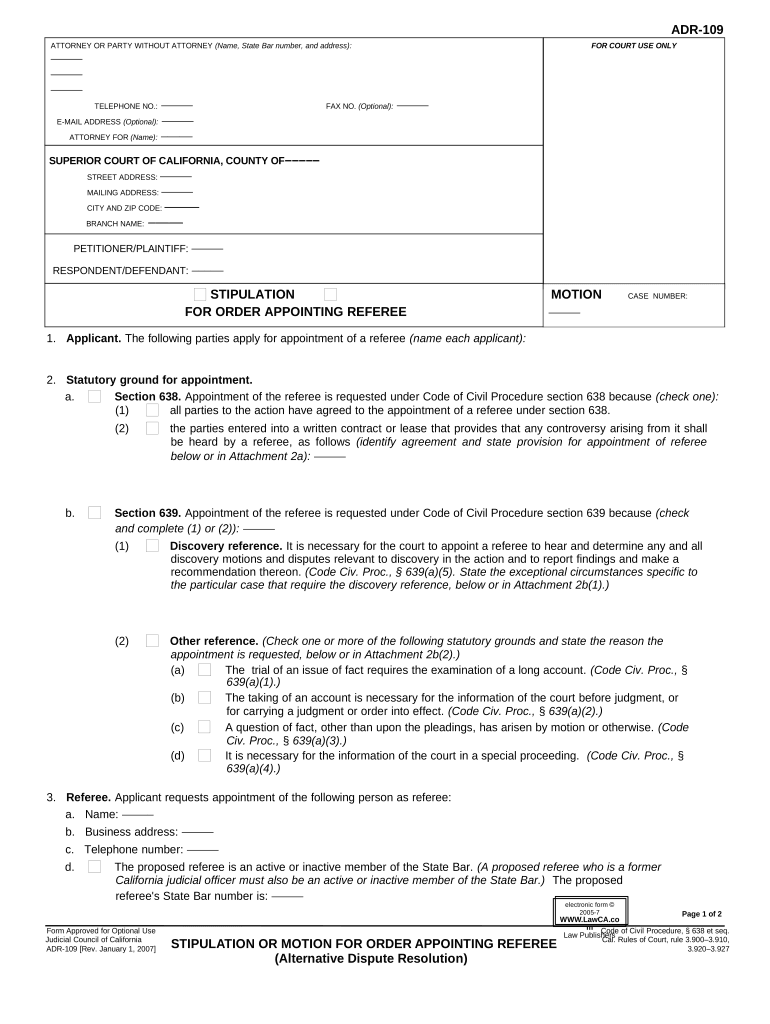
A Stipulation Motion Order is a court document that records an agreement between parties and asks the judge to enter that agreement as an official court order. Typically used in civil litigation, the instrument combines a stipulation (signed by counsel or parties) with a proposed order that the court may adopt, modify, or decline. It resolves discrete procedural or substantive issues—for example, scheduling, discovery limits, or agreed dismissals—without a contested hearing. Once entered by the court, the order becomes enforceable like any judge-signed order.

Why parties use a Stipulation Motion Order

Using a Stipulation Motion Order documents mutual agreement, shortens litigation timelines, reduces contested hearings, and preserves the parties’ agreed terms in a court-enforceable form.

Why parties use a Stipulation Motion Order

Primary users and their roles

The Stipulation Motion Order is completed and submitted by counsel, self-represented litigants, or court staff depending on case practice.

  • Litigants and counsel — Prepare and sign stipulation language; propose order for judge’s signature.
  • Court clerks and judicial staff — Review format, docket the proposed order, and enter it as appropriate.
  • Mediators or special masters — Draft agreed terms after settlement conferences for court approval.

Parties should confirm local rules and judge-specific procedures before submission to avoid procedural rejection or delay.

Core sections to include in a professional Stipulation Motion Order

A complete document follows court captioning rules and presents agreed facts, precise relief requested, and instructions for implementation so the judge can enter clear, enforceable directives.

Caption

Court name, case number, and party names in the required format so the clerk can associate the order with the correct docket.
Recitals

Brief background facts and procedural posture establishing why the stipulation is necessary and how parties reached agreement.

Stipulation Language

Plain, unambiguous statements of the parties’ mutual promises or concessions; avoid conditional phrasing that invites conflicting interpretations.

Proposed Order

Clear, directive sentences for the judge to adopt (e.g., 'IT IS HEREBY ORDERED...') specifying exact actions, deadlines, and responsible parties.

Signature Block

Blocks for counsel/party signatures and dates and a line for the judge or magistrate to sign and enter the order.

Service Instructions

Method and timing for serving the entered order on all parties and how counsel should notify the court clerk after service.

Step-by-step: preparing and filing a Stipulation Motion Order

Follow these sequential actions to draft, obtain agreement, and submit a proposed order for court entry.

  • 01
    Draft the stipulation: Compose precise language and attach any necessary exhibits or citations.
  • 02
    Obtain written consent: Collect counsel signatures or email confirmations and save audit evidence.
  • 03
    Prepare proposed order: Convert stipulation into order format with 'IT IS ORDERED' directives.
  • 04
    File and serve: E-file or deliver to clerk per local rules and serve all parties as required.

Where the Stipulation Motion Order goes after signing

A signed proposed order must reach the court and opposing parties through the channels the local rules prescribe.

  • E-Filing Portal: Upload the proposed order as a PDF and choose 'Proposed Order' or similar category.
  • Clerk’s Office: Deliver in person where e-filing is not required; confirm submission receipt at counter.
  • Email Service: Where permitted, email counsel with the signed stipulation and a copy of the proposed order.
  • Process Server: Use for parties requiring formal service under local rules or when personal service is necessary.

Typical digital workflow settings for e-submission

Configure your e-filing and document settings so the clerk and opposing counsel receive the correct file format and metadata.

Field Configuration
E-Filing Portal PACER/State ECF | use court-specific transaction type
Signature Method Wet signature | scanned PDF or e-signature per court rules
Service Method Email link | certified mail | process server
File Format PDF/A preferred | include bookmarks and exhibits

Technical considerations for electronic completion and submission

Confirm format, authentication, and integration requirements before you finalize the document.

  • File formats: PDF/A and searchable PDF preferred
  • Signer authentication: Email verification or stronger KBA as needed
  • Integrations: Connect to case management or cloud storage

Verify local court e-filing rules and keep a signed copy plus an audit trail showing who executed the stipulation and when.

Common timing elements to specify in the order

Explicit dates and short, achievable deadlines reduce confusion and avoid disputes about compliance.

Filing Deadline:

Date by which the proposed order will be filed with the clerk

Response Deadline:

If an interested party may object, set a date to file objections

Performance Date:

Date by which any action required by the order must be completed

Status Report Date:

A future date for parties to report compliance or progress

Implementation Window:

If phased, list each phase date and responsible party

Practical tips for accurate and efficient preparation

Following these practices reduces clerk holds, returned filings, and downstream disputes about meaning or performance.

Use precise, numbered paragraphs
Break agreed measures into numbered items so each obligation is clear and referenced easily in later compliance affidavits or status reports.
Attach supporting exhibits
If dates, amounts, or schedules are central, include them as exhibits rather than embedding long tables in the order body.
Confirm judge preferences
Some judges require a separate proposed order file or specific header language; check the local rules and standing orders.
Keep an execution audit trail
Maintain records of when each party signed, method of signature, and proof of service for enforcement or appeal needs.

How a Stipulation Motion Order differs from similar filings

Compare common court documents so you select the correct form and routing for the court to enter the desired relief.

Document Type Primary Use Judge’s Action
Stipulation Motion Order mutual agreement court enters order
Proposed Order (unilateral) party request judge may modify
Consent Decree settlement resolution enforceable judgment
Joint Stipulation narrow procedural term court adopts if appropriate

Practical examples showing common uses

Two concise scenarios illustrate typical stipulation-order workflows and outcomes in litigation.

Scheduling Stipulation

Parties agree to extend discovery deadlines by 45 days to complete depositions.

  • Court adopts the proposed order without a hearing.
  • The clerk dockets the new deadlines and the parties serve the order on all counsel, preventing default calendaring errors.

Discovery Dispute Resolution

Counsel negotiate a limit on custodial document custodians and search terms.

  • They file a stipulated proposed order memorializing scope and production dates.
  • The judge signs and the parties use the order to compel timely, consistent production across both sides.

Essential information to include for clarity and filing

Parties: Plaintiff and defendant names
Case Number: Court docket number
Court: Name of court and division
Relief Requested: Concrete actions or dates
Effective Date: MM/DD/YYYY format
Signatures: Counsel/party name and date

Risks and consequences of preparing an incorrect order

Vacatur Risk: Court may decline to enter or later vacate
Sanctions Exposure: Improper language can lead to fee awards
Enforcement Problems: Unclear obligations frustrate compliance efforts
Conflict with Prior Orders: Inconsistent terms invite appeals
Service Defects: Improper service can void effectiveness
Delay Costs: Returned filings increase time and expense

Pricing and capability snapshot for common eSignature providers

Compare plan starting prices and core features relevant when executing stipulations and proposed orders.

signNow DocuSign Adobe Sign PandaDoc HelloSign
Starting Price $8/user/mo $15/user/mo $14/user/mo $19/user/mo $15/user/mo
Free Trial Yes, 7-day trial No No Yes, limited Yes, limited
Bulk Send Yes Yes Yes Yes No
Audit Trail Yes Yes Yes Yes Yes
HIPAA Compliant Yes Yes Yes No No

Frequently asked questions about Stipulation Motion Orders

Answers to common procedural and e-signature questions to help avoid filing problems or delays.


Need help? Contact support

be ready to get more
Join over 28 million airSlate SignNow users