Establishing secure connection…Loading editor…Preparing document…

Transfer Affidavit Form

This template is fully customizable. Edit the text, fill out the fields, and send it for signature. Give it a try!
Transfer Affidavit Form

What the Transfer Affidavit Form Is

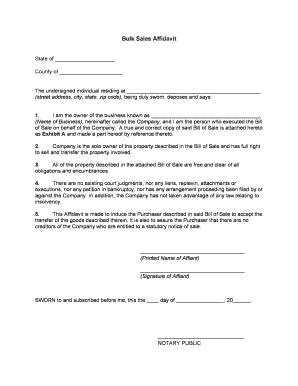
The Transfer Affidavit Form is a sworn written statement used to document the voluntary transfer of property, title, or rights from one party to another when a formal deed, bill of sale, or other conveyance instrument is unavailable or impractical. It clarifies parties' identities, the transferred asset, effective date, and any consideration or lien status, and it is typically used to support title records, update custody, or complete administrative filings. The affidavit is signed under penalty of perjury and frequently requires notarization and, in some jurisdictions, witness statements to be accepted by third parties or government agencies.

Why a Transfer Affidavit Form Matters

A Transfer Affidavit Form provides clear, notarized evidence of ownership or rights transfer, reduces disputes, and creates a record usable by title companies, registrars, and courts. When completed correctly it supports downstream filings and helps avoid administrative delays and contested claims.

Why a Transfer Affidavit Form Matters

Who Typically Prepares or Receives This Form

Used by parties needing a sworn record of transfer, such as sellers, buyers, heirs, and institutional custodians.

  • Individual sellers or buyers documenting a private property or personal property transfer.
  • Heirs or estate administrators formalizing title when probate or primary conveyance is delayed.
  • Lenders, title companies, and registrars accepting affidavit evidence for records updates or lien releases.

Representative Signer Profiles

Maria Lopez, Executor

As executor for a small estate, Maria uses the Transfer Affidavit Form to document the transfer of personal property and small parcel transactions when original deeds are unavailable. She assembles identity documents, secures notarization, and provides the affidavit to the probate court and title insurer for record updates and claim clearance.

Acme Title Co., Agent

A closing agent at a title company accepts properly notarized transfer affidavits to clear title flags or substitute absent deeds. The agent verifies signer identity, lien status, and recorded history before updating title records or recommending additional corrective instruments.

Essential Information and Required Fields

Full Legal Name: Exactly as on government ID
Transaction Date: Use MM/DD/YYYY format
Description of Property: Clear, specific description and identifiers
Consideration: Dollar amount or exact exchanged value
Liens or Encumbrances: Disclose existing mortgages or liens
Signatures: All signers must sign and date

Common Consequences of Errors or Omissions

Perjury Risk: Criminal penalties for false statements
Title Rejection: Registrar may refuse recording
Tax Exposure: Possible transfer tax or reporting
Delays: Processing or closing delays
Notary Noncompliance: Invalid affidavit without proper notarization
Document Costs: Extra legal or re-filing fees

Frequent Preparation Pitfalls to Avoid

  • Missing or inconsistent names between the affidavit and identification documents cause processing delays, requests for supplemental evidence, and potential rejection by title companies or recorders.
  • Vague property descriptions without parcel IDs, VINs, or precise address details make the affidavit insufficient for recording or title insurance acceptance.
  • Failure to notarize, or failing to include required witness signatures where state law mandates them, can invalidate the affidavit for official use.
  • Omitting lien status or prior encumbrances can expose recipients to title disputes and unexpected creditor claims, increasing downstream legal and insurance costs.

Step-by-Step: Completing a Transfer Affidavit Form

Follow these sequential steps to complete and submit a Transfer Affidavit Form correctly and ensure acceptance by third parties.

  • 01
    Gather Documents: Collect IDs, title history, and supporting evidence.
  • 02
    Complete Form: Enter names, date, property, consideration, and disclosures.
  • 03
    Notarize: Sign before a notary with proper ID present.
  • 04
    File and Serve: Submit to registrar, title company, or other recipient.

How to Configure an Online Affidavit Workflow

Configure online fields and signer authentication to meet legal requirements and recipient expectations for electronic submission and acceptance.

Field Configuration
Authentication Email link or SMS OTP; use KBA for extra verification
Notary Field Add notarization block with place for notary signature and seal image
Conditional Fields Show lien details only if 'Yes' selected to reduce signer errors
Attachments Allow PDF uploads for IDs and title documents; set required flag

Where to Send or File a Completed Affidavit

Typical routing for a completed Transfer Affidavit Form varies by recipient and filing requirement; follow recipient-specific instructions.

  • Title Company: Send notarized affidavit to title insurer for record clearance.
  • County Recorder: Record with county clerk when required for real property transfers.
  • Probate Court: Submit affidavit with estate paperwork to update decedent holdings.
  • Lender or Servicer: Provide to mortgage holder to remove or update lien records.

Digital Signing and Platform Requirements

Ensure the e-signature platform supports notarization workflows, audit trails, and required authentication for legal acceptance.

  • Authentication: Email, SMS OTP, or KBA available
  • Audit Trail: Complete timestamp, IP, action history
  • Document Formats: PDF, DOCX, and scanned attachments supported

Timelines, Deadlines, and Processing Expectations

Plan for notarization, recipient review, and any filing deadlines; processing times vary by agency and title company workload.

Notarization:

Complete signing before a notary immediately to preserve validity.

County Recording:

Record promptly if required by local law; county processing varies widely.

Title Company Review:

Allow 3–10 business days for title review and clearance.

Tax Reporting:

Provide to tax professionals before filing deadlines if transfer has tax implications.

Requester Deadlines:

Many payers or registrars request affidavit upon demand; respond within their timeline.

Practical Tips for Accurate and Efficient Completion

Practical tips to complete, verify, and submit a Transfer Affidavit Form to maximize acceptance and minimize processing delays.

Verify signer legal names and identification
Confirm legal names exactly match government ID and title records; collect photocopies of IDs and cross-check spellings. Where names differ, supply supporting name-change documentation to prevent recording or insurance rejections.
Provide an unambiguous property description with identifiers
Include parcel numbers, VINs, serial numbers, or precise street address with unit numbers. Ambiguous descriptions prompt title searches and may require supplemental affidavits, adding time and potential fees to the transaction.
Disclose encumbrances and consideration details explicitly
List known mortgages, liens, judgments, and exact consideration amounts. Transparent disclosure helps title underwriters assess risk and can prevent downstream litigation or insurance coverage denials tied to undisclosed encumbrances.
Use compliant eSigning and notarization workflows
When eSigning, select platforms that support audit trails, tamper-evidence, and RON where accepted; ensure notaries follow state identity proofing and journal retention rules to avoid invalidation.

Real-World Examples of Using a Transfer Affidavit

Examples illustrate common scenarios where a Transfer Affidavit Form supported record updates, title clearance, or internal transfers.

Martin Properties

Martin Properties used a Transfer Affidavit Form to document rapid ownership transfers when original deeds were delayed during closings.

  • They completed and notarized forms electronically using an e-signature workflow.
  • By consolidating affidavits, identification, and notarization, the firm reduced closing delays, satisfied title insurers, and avoided multiple in-person meetings, improving client outcomes while maintaining legal compliance.

Fertility Centers of Illinois

Fertility Centers of Illinois relied on a sworn transfer affidavit to move medical equipment titles between facilities after consolidation.

  • They required HIPAA-safe handling and notarization.
  • Using a compliant electronic workflow that captured audit trails and required authentication, the organization maintained HIPAA safeguards, preserved documentation for required retention periods, and completed asset transfers without disrupting clinical operations.

eSignature Vendor Comparison for Affidavit Workflows

Baseline pricing and common features that affect preparation and distribution of Transfer Affidavit Forms at scale.

signNow DocuSign Adobe Sign PandaDoc HelloSign
Starting Price $8/user/mo $15/user/mo $14/user/mo $19/user/mo $15/user/mo
Free Trial 7-day free trial Varies by plan Varies by plan Varies by plan Varies by plan
Bulk Send Yes (available on higher tiers) Varies by plan Varies by plan Yes Varies by plan
Audit Trail Yes Yes Yes Yes Yes
HIPAA Compliant Yes Yes Yes Varies Varies
Envelope Cap No cap 100 envelopes/user/year Varies by plan Varies by plan Varies by plan

Frequently Asked Questions and Troubleshooting

Answers to common questions about validity, notarization, e-signing, and filing of Transfer Affidavit Forms in the United States.


Need help? Contact support

be ready to get more
Join over 28 million airSlate SignNow users