
Fill and Sign the Virginia Corporate Form
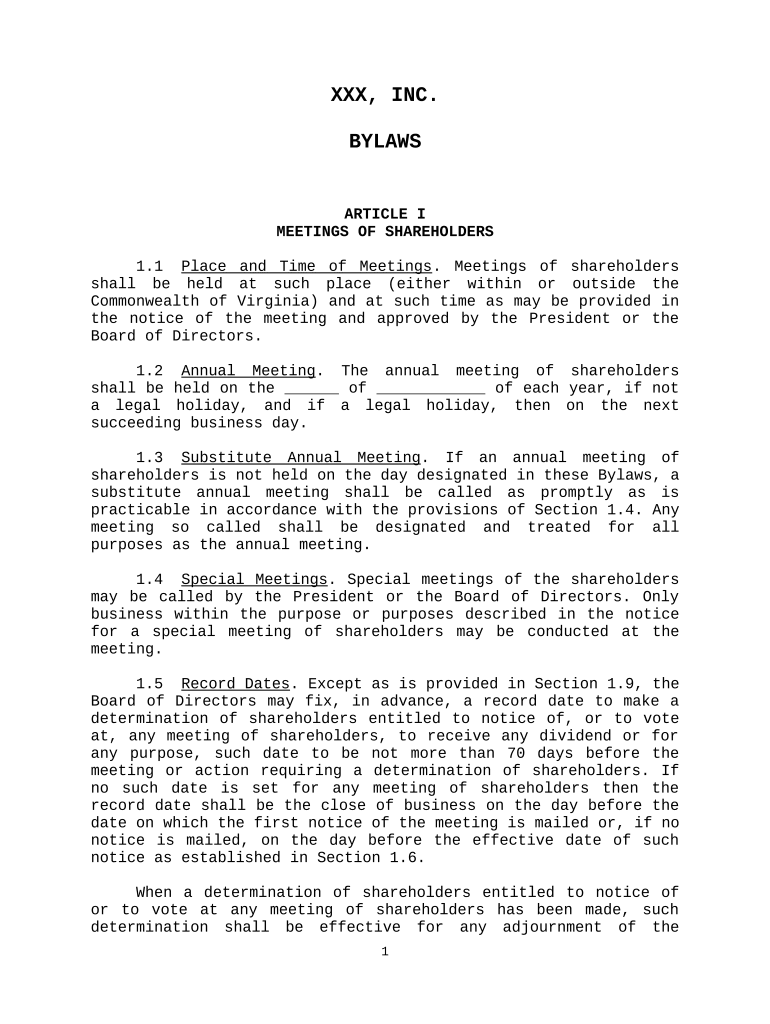
Useful instructions for preparing your ‘Virginia Corporate’ online
Are you fed up with the inconvenience of handling paperwork? Look no further than airSlate SignNow, the leading electronic signature solution for individuals and small to medium-sized businesses. Bid farewell to the monotonous tasks of printing and scanning documents. With airSlate SignNow, you can effortlessly complete and sign documents online. Leverage the powerful features included in this user-friendly and cost-effective platform, and transform your document management workflow. Whether you need to approve documents or gather eSignatures, airSlate SignNow makes the process simple and requires just a few clicks.
Follow these detailed steps:
- Log into your account or register for a free trial with our service.
- Click +Create to upload a file from your device, cloud storage, or our template library.
- Access your ‘Virginia Corporate’ in the editor.
- Click Me (Fill Out Now) to fill out the form on your end.
- Add and designate fillable fields for others (if necessary).
- Continue with the Send Invite settings to solicit eSignatures from others.
- Save, print your version, or convert it into a reusable template.
Don’t be concerned if you need to collaborate with your teammates on your Virginia Corporate or send it for notarization—our platform provides everything you require to accomplish those tasks. Create an account with airSlate SignNow today and take your document management to the next level!
FAQs
-
What are the pricing plans for airSlate SignNow for Virginia Corporate clients?
airSlate SignNow offers flexible pricing plans tailored for Virginia Corporate clients, making it easy to find an option that suits your business needs. Plans include various features, from basic e-signatures to advanced document workflows, ensuring that every Virginia Corporate can find an affordable solution. For specific pricing details, visit our website or contact our sales team.
-
How does airSlate SignNow enhance document management for Virginia Corporates?
airSlate SignNow enhances document management for Virginia Corporates by providing a seamless platform for sending, signing, and storing documents electronically. With easy-to-use tools and customizable templates, Virginia Corporate teams can streamline their workflows and improve efficiency. This ensures that document handling is faster, more secure, and compliant with legal standards.
-
What features does airSlate SignNow offer specifically for Virginia Corporate users?
airSlate SignNow offers a range of features specifically designed for Virginia Corporate users, including customizable templates, bulk sending options, and real-time tracking of document status. These features empower Virginia Corporates to manage their document processes efficiently, ensuring that all parties can access and sign documents promptly. Additionally, our user-friendly interface simplifies the e-signing experience for everyone involved.
-
Can airSlate SignNow integrate with other tools used by Virginia Corporates?
Yes, airSlate SignNow integrates with a variety of tools commonly used by Virginia Corporates, including CRM systems, cloud storage solutions, and productivity applications. These integrations allow for a smooth workflow and ensure that documents can be managed across different platforms without hassle. By connecting airSlate SignNow with your existing tools, Virginia Corporates can enhance collaboration and efficiency.
-
What security measures does airSlate SignNow implement for Virginia Corporate documents?
airSlate SignNow prioritizes the security of Virginia Corporate documents by implementing industry-leading security measures. This includes data encryption, secure access controls, and compliance with legal regulations such as eIDAS and ESIGN. Virginia Corporates can trust that their sensitive information is protected throughout the signing process.
-
How can airSlate SignNow benefit Virginia Corporates in terms of compliance?
airSlate SignNow helps Virginia Corporates maintain compliance with various legal standards by ensuring that all e-signatures are legally recognized and securely stored. Our platform complies with federal and state regulations, providing Virginia Corporate clients with peace of mind that their document processes adhere to the law. This minimizes risk and enhances the credibility of your business.
-
Is customer support available for Virginia Corporate users of airSlate SignNow?
Absolutely! airSlate SignNow provides dedicated customer support for Virginia Corporate users, ensuring that any questions or issues are addressed promptly. Our support team is available via multiple channels, including email and live chat, to assist Virginia Corporates in maximizing their experience with our platform. We are committed to helping you succeed in your document management needs.
The best way to complete and sign your virginia corporate form
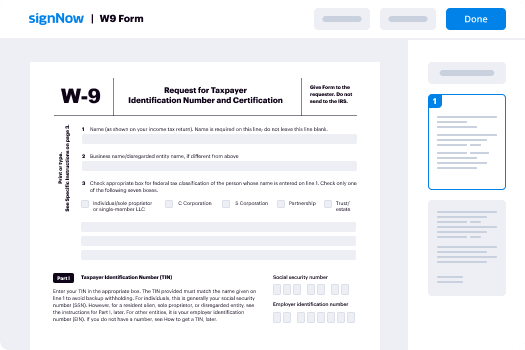
How to fill out and sign forms online
In the past, dealing with paperwork took lots of time and effort. But with airSlate SignNow, document management is easy and fast. Our robust and user-friendly eSignature solution allows you to effortlessly fill out and electronically sign your virginia corporate form online from any internet-connected device.
Follow the step-by-step guide to eSign your virginia corporate form template online:
- 1.Sign up for a free trial with airSlate SignNow or log in to your account with password credentials or SSO authorization option.
- 2.Click Upload or Create and import a form for eSigning from your device, the cloud, or our form catalogue.
- 3.Click on the document name to open it in the editor and use the left-side menu to complete all the blank fields properly.
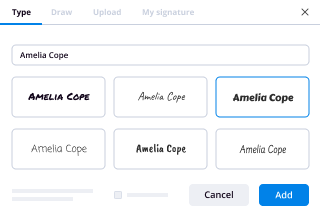
- 4.Drop the My Signature field where you need to eSign your form. Type your name, draw, or upload an image of your regular signature.
- 5.Click Save and Close to finish editing your completed document.
After your virginia corporate form template is ready, download it to your device, export it to the cloud, or invite other people to eSign it. With airSlate SignNow, the eSigning process only takes several clicks. Use our robust eSignature solution wherever you are to deal with your paperwork successfully!
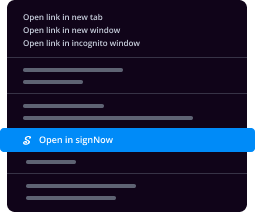
How to fill out and sign forms in Google Chrome
Completing and signing documents is easy with the airSlate SignNow extension for Google Chrome. Adding it to your browser is a quick and efficient way to deal with your paperwork online. Sign your virginia corporate form sample with a legally-binding eSignature in a few clicks without switching between tools and tabs.
Follow the step-by-step guidelines to eSign your virginia corporate form in Google Chrome:
- 1.Navigate to the Chrome Web Store, locate the airSlate SignNow extension for Chrome, and add it to your browser.
- 2.Right-click on the link to a form you need to sign and choose Open in airSlate SignNow.
- 3.Log in to your account with your password or Google/Facebook sign-in buttons. If you don’t have one, sign up for a free trial.
- 4.Utilize the Edit & Sign menu on the left to fill out your sample, then drag and drop the My Signature option.
- 5.Upload a photo of your handwritten signature, draw it, or simply enter your full name to eSign.
- 6.Verify all information is correct and click Save and Close to finish modifying your form.
Now, you can save your virginia corporate form sample to your device or cloud storage, send the copy to other people, or invite them to electronically sign your form with an email request or a secure Signing Link. The airSlate SignNow extension for Google Chrome improves your document processes with minimum time and effort. Try airSlate SignNow today!
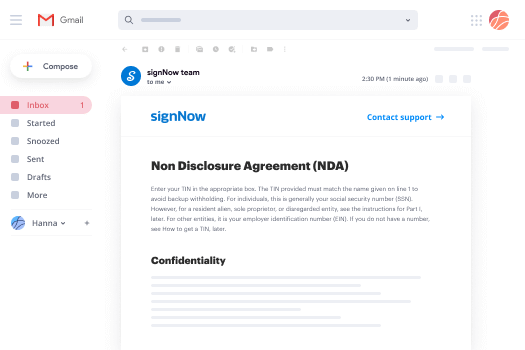


How to complete and sign forms in Gmail
When you receive an email containing the virginia corporate form for signing, there’s no need to print and scan a document or save and re-upload it to another program. There’s a much better solution if you use Gmail. Try the airSlate SignNow add-on to quickly eSign any paperwork right from your inbox.
Follow the step-by-step guidelines to eSign your virginia corporate form in Gmail:
- 1.Visit the Google Workplace Marketplace and look for a airSlate SignNow add-on for Gmail.
- 2.Set up the tool with a corresponding button and grant the tool access to your Google account.
- 3.Open an email with an attachment that needs approval and use the S symbol on the right panel to launch the add-on.
- 4.Log in to your airSlate SignNow account. Select Send to Sign to forward the file to other people for approval or click Upload to open it in the editor.
- 5.Put the My Signature field where you need to eSign: type, draw, or import your signature.
This eSigning process saves efforts and only requires a few clicks. Take advantage of the airSlate SignNow add-on for Gmail to adjust your virginia corporate form with fillable fields, sign documents legally, and invite other parties to eSign them al without leaving your mailbox. Improve your signature workflows now!

How to fill out and sign forms in a mobile browser
Need to quickly fill out and sign your virginia corporate form on a mobile phone while working on the go? airSlate SignNow can help without the need to install extra software programs. Open our airSlate SignNow solution from any browser on your mobile device and create legally-binding eSignatures on the go, 24/7.
Follow the step-by-step guidelines to eSign your virginia corporate form in a browser:
- 1.Open any browser on your device and follow the link www.signnow.com
- 2.Create an account with a free trial or log in with your password credentials or SSO authentication.
- 3.Click Upload or Create and add a file that needs to be completed from a cloud, your device, or our form catalogue with ready-made templates.
- 4.Open the form and fill out the blank fields with tools from Edit & Sign menu on the left.
- 5.Put the My Signature area to the form, then enter your name, draw, or add your signature.
In a few simple clicks, your virginia corporate form is completed from wherever you are. As soon as you're done with editing, you can save the file on your device, create a reusable template for it, email it to other people, or invite them electronically sign it. Make your documents on the go quick and effective with airSlate SignNow!
How to fill out and sign documents on iOS
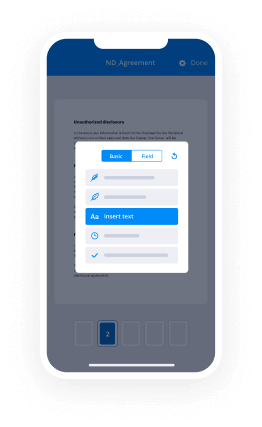
In today’s corporate environment, tasks must be accomplished rapidly even when you’re away from your computer. With the airSlate SignNow app, you can organize your paperwork and approve your virginia corporate form with a legally-binding eSignature right on your iPhone or iPad. Set it up on your device to conclude agreements and manage forms from just about anywhere 24/7.
Follow the step-by-step guide to eSign your virginia corporate form on iOS devices:
- 1.Go to the App Store, search for the airSlate SignNow app by airSlate, and set it up on your device.
- 2.Open the application, tap Create to add a form, and choose Myself.
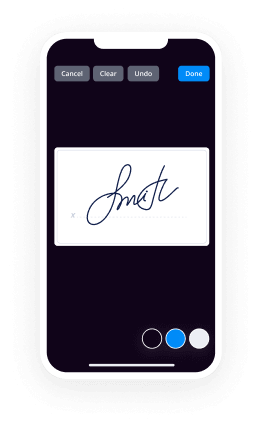
- 3.Select Signature at the bottom toolbar and simply draw your autograph with a finger or stylus to eSign the form.
- 4.Tap Done -> Save right after signing the sample.
- 5.Tap Save or use the Make Template option to re-use this paperwork later on.
This method is so simple your virginia corporate form is completed and signed in a couple of taps. The airSlate SignNow app works in the cloud so all the forms on your mobile device are kept in your account and are available any time you need them. Use airSlate SignNow for iOS to improve your document management and eSignature workflows!
How to fill out and sign documents on Android
With airSlate SignNow, it’s easy to sign your virginia corporate form on the go. Install its mobile app for Android OS on your device and start improving eSignature workflows right on your smartphone or tablet.
Follow the step-by-step guide to eSign your virginia corporate form on Android:
- 1.Go to Google Play, find the airSlate SignNow application from airSlate, and install it on your device.
- 2.Log in to your account or create it with a free trial, then upload a file with a ➕ option on the bottom of you screen.
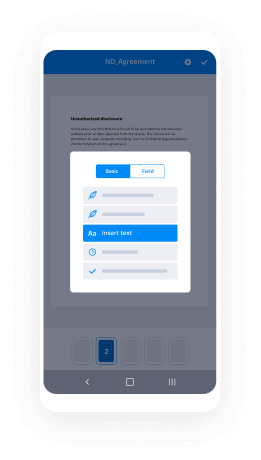
- 3.Tap on the imported document and select Open in Editor from the dropdown menu.
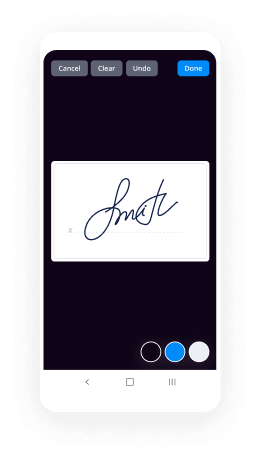
- 4.Tap on Tools tab -> Signature, then draw or type your name to eSign the template. Complete blank fields with other tools on the bottom if necessary.
- 5.Use the ✔ button, then tap on the Save option to finish editing.
With an intuitive interface and full compliance with main eSignature laws and regulations, the airSlate SignNow app is the perfect tool for signing your virginia corporate form. It even works offline and updates all document adjustments once your internet connection is restored and the tool is synced. Fill out and eSign documents, send them for eSigning, and generate re-usable templates anytime and from anywhere with airSlate SignNow.
Find out other virginia corporate form
- Close deals faster
- Improve productivity
- Delight customers
- Increase revenue
- Save time & money
- Reduce payment cycles
