What is the digital signature
A digital signature is a cryptographic technique that provides a secure and verifiable way to sign electronic documents. It ensures the authenticity and integrity of the signed document, making it legally binding in many jurisdictions, including the United States. By using a digital signature, individuals and businesses can confirm that the signer is who they claim to be and that the document has not been altered after signing.
How to use the digital signature
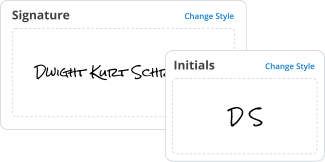
Using a digital signature typically involves a few straightforward steps. First, you will need to create an electronic signature using a trusted platform like airSlate SignNow. This process usually includes entering your name, uploading a handwritten signature, or drawing one directly on the screen. Once your signature is created, you can easily apply it to any document by uploading the file to airSlate SignNow, selecting the signature field, and placing your digital signature where needed. After that, you can send the document for signature or save it for your records.
Steps to complete the digital signature
Completing a digital signature involves several key steps:
- Log in to your airSlate SignNow account.
- Upload the document you need to sign.
- Drag and drop your digital signature onto the document.
- Fill in any required fields, such as dates or initials.
- Review the document to ensure all information is correct.
- Click to finalize the signing process.
Once completed, the document is securely stored and can be shared or downloaded as needed.
Legal use of the digital signature
In the United States, digital signatures are recognized under the Electronic Signatures in Global and National Commerce (ESIGN) Act and the Uniform Electronic Transactions Act (UETA). These laws establish that electronic signatures carry the same weight and legal standing as traditional handwritten signatures, provided that both parties consent to use electronic means and the signature is created using a secure method. This legal framework allows businesses to streamline their operations while ensuring compliance with applicable regulations.
Security & Compliance Guidelines
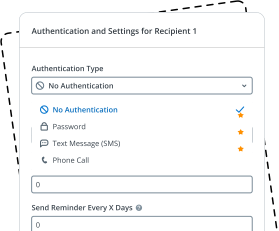
When using digital signatures, it is crucial to follow security and compliance guidelines to protect sensitive information. Ensure that the platform you use, such as airSlate SignNow, complies with industry standards like the General Data Protection Regulation (GDPR) and the Health Insurance Portability and Accountability Act (HIPAA) where applicable. Additionally, utilize features like two-factor authentication, secure storage, and audit trails to maintain the integrity of your documents and signatures. Regularly review your security practices to adapt to evolving threats.
Documents You Can Sign
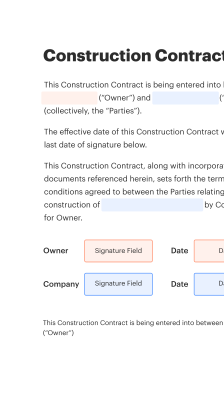
Digital signatures can be applied to a wide variety of documents, making them versatile for both personal and business use. Common documents include contracts, agreements, tax forms, and HR documents. Additionally, you can use digital signatures for legal documents, invoices, and proposals. The ability to sign these documents electronically not only saves time but also enhances efficiency in managing workflows.
Sending & Signing Methods (Web / Mobile / App)
airSlate SignNow offers multiple methods for sending and signing documents, ensuring flexibility for users. You can access the platform via a web browser, mobile app, or desktop application. Each method allows you to upload documents, apply your digital signature, and send them for signature. The mobile app is particularly useful for on-the-go signing, enabling you to manage documents from anywhere. Regardless of the method chosen, the process remains intuitive and user-friendly.