What is the signature cycle
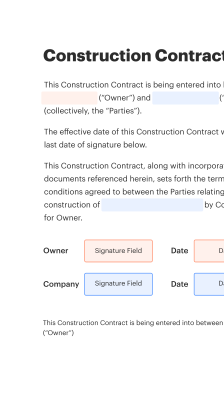
The signature cycle refers to the series of steps involved in the electronic signing process of documents. This cycle includes the creation, sending, signing, and final storage of documents using eSignature technology. It streamlines the workflow by allowing users to manage documents digitally, ensuring a faster and more efficient process compared to traditional paper-based methods. Understanding the signature cycle is essential for businesses looking to enhance their document management practices.
How to use the signature cycle
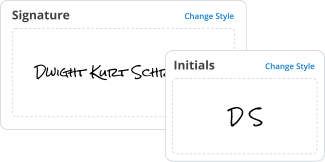
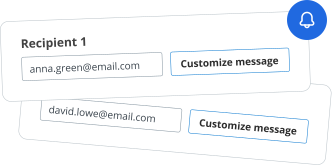
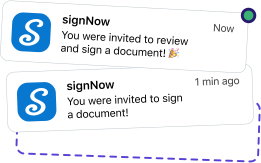
To effectively use the signature cycle, begin by preparing your document in a compatible format. Upload the document to the airSlate SignNow platform, where you can easily add fields for signatures, dates, and other necessary information. Once your document is ready, send it for signature by entering the recipient's email address. The recipient will receive a notification, allowing them to review and eSign the document securely. After all parties have signed, the completed document is stored electronically for easy access and management.
Steps to complete the signature cycle
Completing the signature cycle involves several key steps:
- Prepare your document by uploading it to the airSlate SignNow platform.
- Add signature fields and any other required fields to the document.
- Send the document for signature by entering the recipient's email address.
- Notify the recipient to review and eSign the document.
- Once all signatures are collected, the completed document is automatically saved in your account.
Following these steps ensures a smooth and efficient signing process, reducing delays and enhancing productivity.
Legal use of the signature cycle
The signature cycle is legally recognized in the United States under the Electronic Signatures in Global and National Commerce (ESIGN) Act and the Uniform Electronic Transactions Act (UETA). These laws establish that electronic signatures hold the same legal weight as handwritten signatures, provided that both parties consent to use electronic methods. It is important to ensure compliance with these regulations to maintain the validity of signed documents in legal contexts.
Security & Compliance Guidelines
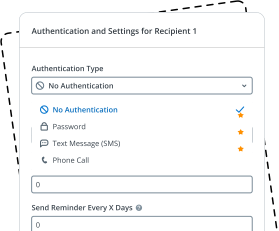
When utilizing the signature cycle, it is crucial to adhere to security and compliance guidelines to protect sensitive information. airSlate SignNow employs robust encryption methods to safeguard data during transmission and storage. Additionally, user authentication processes, such as two-factor authentication, enhance security by verifying the identity of signers. Regular audits and compliance checks ensure that the platform meets industry standards for data protection and privacy.
Documents You Can Sign
The signature cycle can be applied to a wide variety of documents, including contracts, agreements, forms, and policies. Common examples include employment contracts, non-disclosure agreements, and tax documents. The flexibility of the airSlate SignNow platform allows users to customize documents for specific needs, ensuring that any type of document can be efficiently signed and managed electronically.